Uncovering Negative Impacts of Industrial Fishing on Liberia’s Small-scale Fisheries
Structured interviews with small-scale fishers, including fishmongers, uncover major negative impacts of distant water fishing (DWF) in Liberia.

By Nathaniel Kollie
This post is one of a series on projects supported by the New England Aquarium’s Marine Conservation Action Fund (MCAF). Through MCAF, the Aquarium offers multi-faceted support to leaders from low- and middle-income countries who are spearheading community-based ocean conservation initiatives.
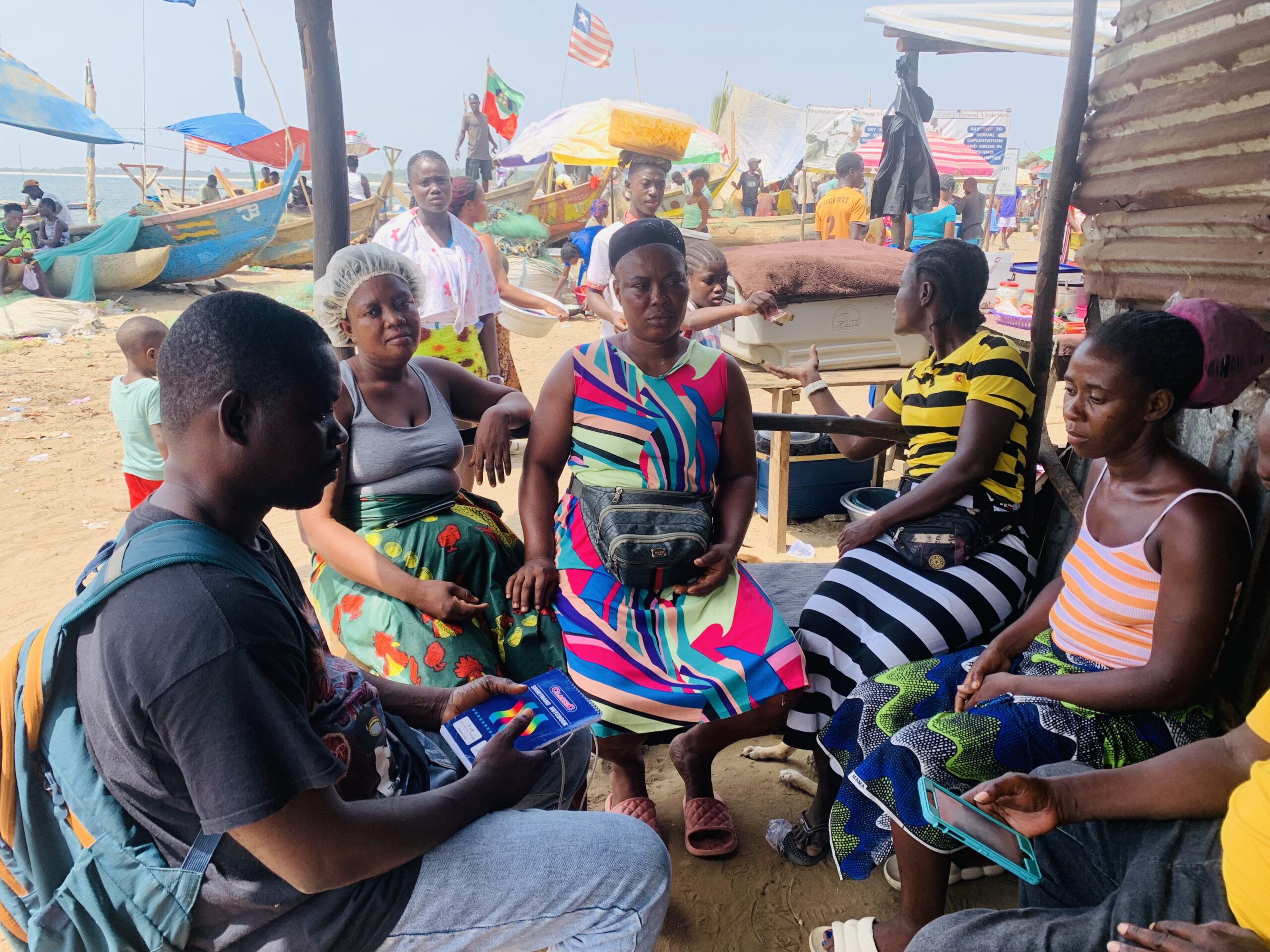
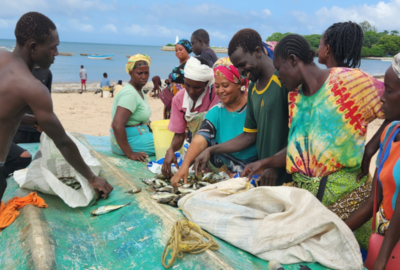
Two hundred and ninety structured interviews revealed major challenges that small-scale fishers—including fishmongers—are facing in Liberian coastal communities in west-central and northwestern Liberia, West Africa. The presence of distant water fishing (DWF) brings both opportunities and challenges. While it provides economic benefits to Liberia, it is less understood whether and/or how DWF is impacting local marine ecosystems, livelihoods, and food security.
My research aims to determine the social and environmental impacts and contributions of DWF to inform recommendations to the National Fisheries and Aquaculture Authority (NaFAA) of Liberia and other relevant actors. The objectives of this project include: i) comparison of catch composition, ecosystem use, and fishing distribution between the DWF and small-scale fisheries (SSF); ii) identification of the value chain and consumers of the DWF catch and who benefits from the catch; and iii) development of recommendations for reducing the impacts of the DWF on coastal communities and strengthening livelihood and food security.
Key findings
Comparison of catch composition, ecosystem use, and fishing distribution between the DWF and SSF
DWF and SSF fleets target a similar suite of demersal and pelagic species in nearshore coastal zones. Despite the presence of a six nautical mile inshore exclusion zone reserving access exclusively for the SSF fleet, there is also spatial overlap and similar habitat use between the two fleets.
Impacts on ecosystems
Fishing methods of the two fisheries, DWF and SSF, have distinct impacts on targeted and non-targeted species and can affect critical marine ecosystems. DWF vessels using bottom-trawling gear, which local artisanal fishermen in Liberia call “dredging,” involve bycatch, or the unintentional catch of non-target species including juvenile and vulnerable fish species. This leads to ecological imbalance, explicitly disrupting the food web within the ocean.
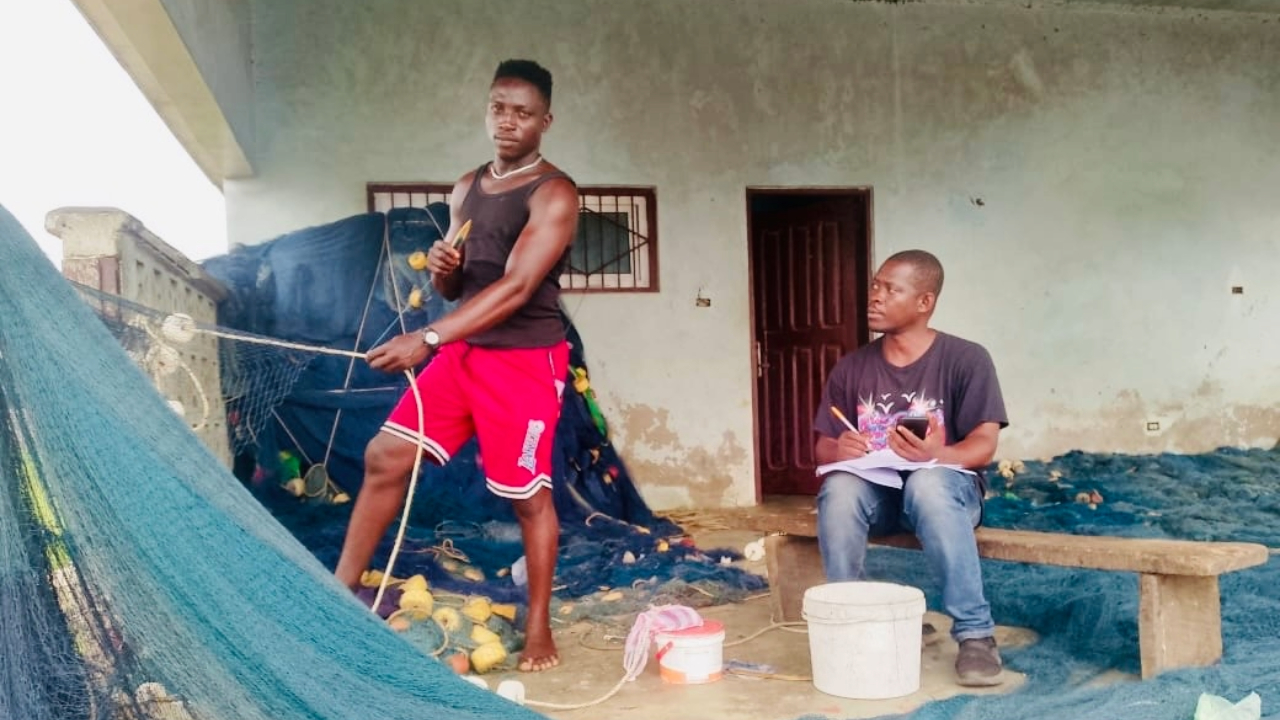
SSF Fishers report gear destruction as a major impact of the DWF operations on their fishery. Fishing gear is difficult and costly to replace, causing a financial burden. Small-scale fishermen may lack the resources to replace their fishing gear promptly.
Similarly, one of the most pressing issues fishermen, fishmongers, and consumers face is the noticeable decline in fish stocks. Fishermen and fishmongers at the frontline of the SSF overwhelmingly reported a reduction in fish availability, directly affecting their ability to sustain their fishing and selling activities.
Identification of the value chain and consumers of the DWF catch, and who benefits from the catch
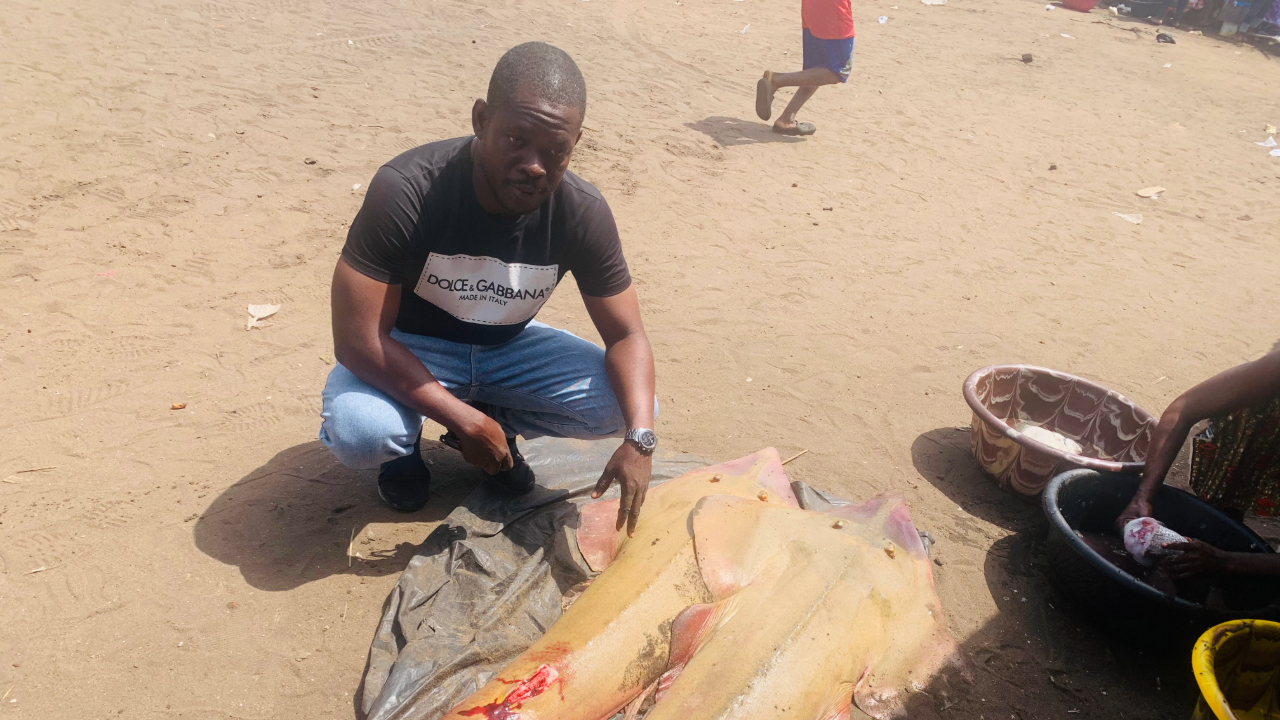
The DWF value chain is complex with links to both international and local markets. An unknown proportion of the DWF catch is destined for international trade, while the remainder is landed in Liberia. However, the catch that is landed in Liberia seems to flow directly to cold storage facilities in Monrovia and other major urban areas (e.g., Buchanan), where many rural coastal communities do not have access. So, while it may be possible that consumers in urban areas can access DWF catch, this catch is likely not contributing to the food security of rural coastal communities, where virtually all fish is supplied from SSF.
DWF is dramatically reducing what is left for local fishing operations and causing a shortage of fish in local markets, resulting in rising fish prices. This represents an additional economic burden on fishmongers and consumers.
Community data validation and discussion of recommendations
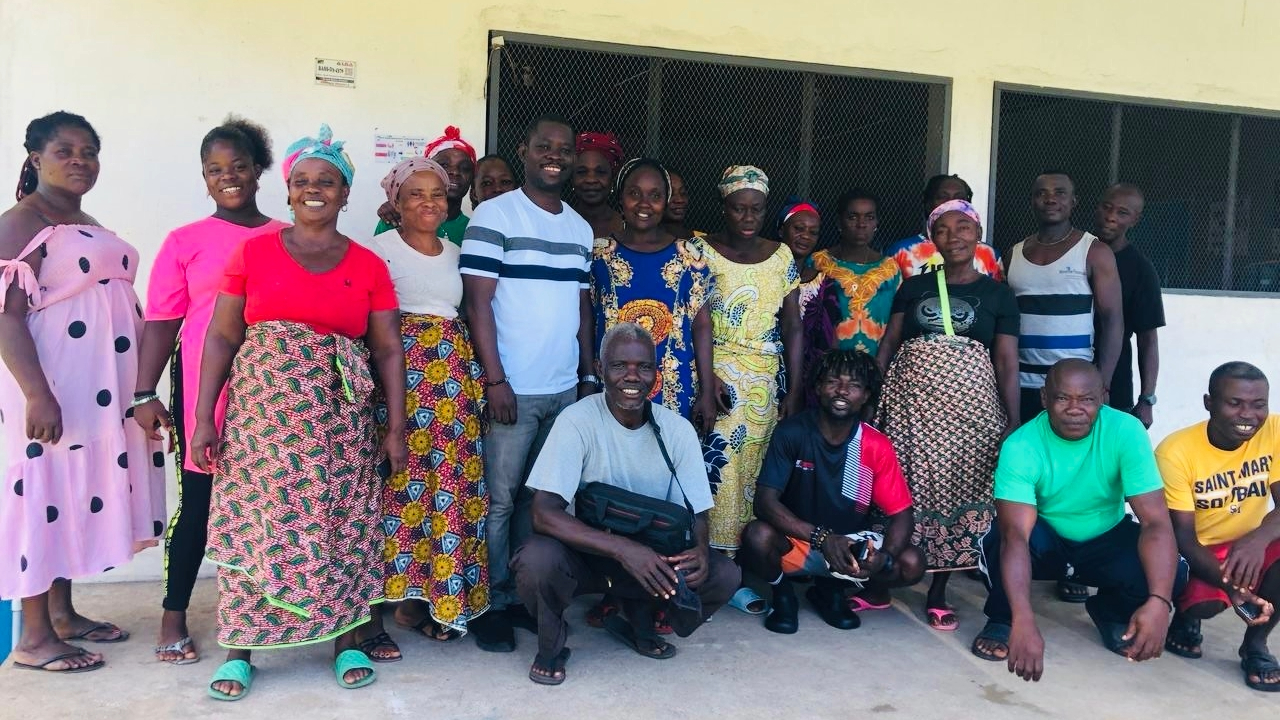
Following my interviews and preliminary data analysis, I returned to the coastal communities to conduct data validation workshops to ensure the interview findings resonate with the practical experiences of local communities. The process involved disseminating the aggregated interview findings during community meetings and incorporating community feedback and comments for possible recommendations.
Recommendations
- Strengthen existing regulations and enforcement, such as upholding the six-nautical-mile inshore exclusion zone, to ensure sustainable fishing practices and protect small-scale fishermen and fishmongers from the DWF’s excessive competition.
- Improve awareness programs for fishmongers, fish traders, and consumers, which enables them to understand their rights and advocate for fairer policies.
- Reinvest in sustainable fishing initiatives that support small-scale fishermen and fishmongers and reduce reliance on the DWF for government revenue.
- Enhance market access and infrastructure for small-scale fish catches and ensure that fishmongers and cold storage facilities can operate effectively and equitably, supporting local food and livelihood security.

Related Stories

Let's Take Action for the Ocean Together
With your support, we can further our work to ensure a vital and vibrant ocean for all.