Please note: The Atlantic harbor seals will temporarily be off exhibit while we improve their habitat for their comfort and well-being.
Turning Doubt into Purpose Through ilili and the Marine Conservation Action Fund
Gabriela Ochoa, MCAF fellow and founder of ilili, reflects on how the initial support she received from MCAF helped kickstart her conservation work in Honduras.
By New England Aquarium on Wednesday, January 21, 2026

By Gabriela Ochoa
This post is one of a series on projects supported by the New England Aquarium’s Marine Conservation Action Fund (MCAF). Through MCAF, the Aquarium offers multi-faceted support to leaders from low- and middle-income countries who are spearheading community-based ocean conservation initiatives.
It’s crazy to think that just five years ago, I began the journey of starting a nonprofit. As a young professional moving up in the nonprofit world, I dreamed of creating an organization that reflected my own vision for marine conservation. I also wanted to become the mentor I wished I had when my career first began.
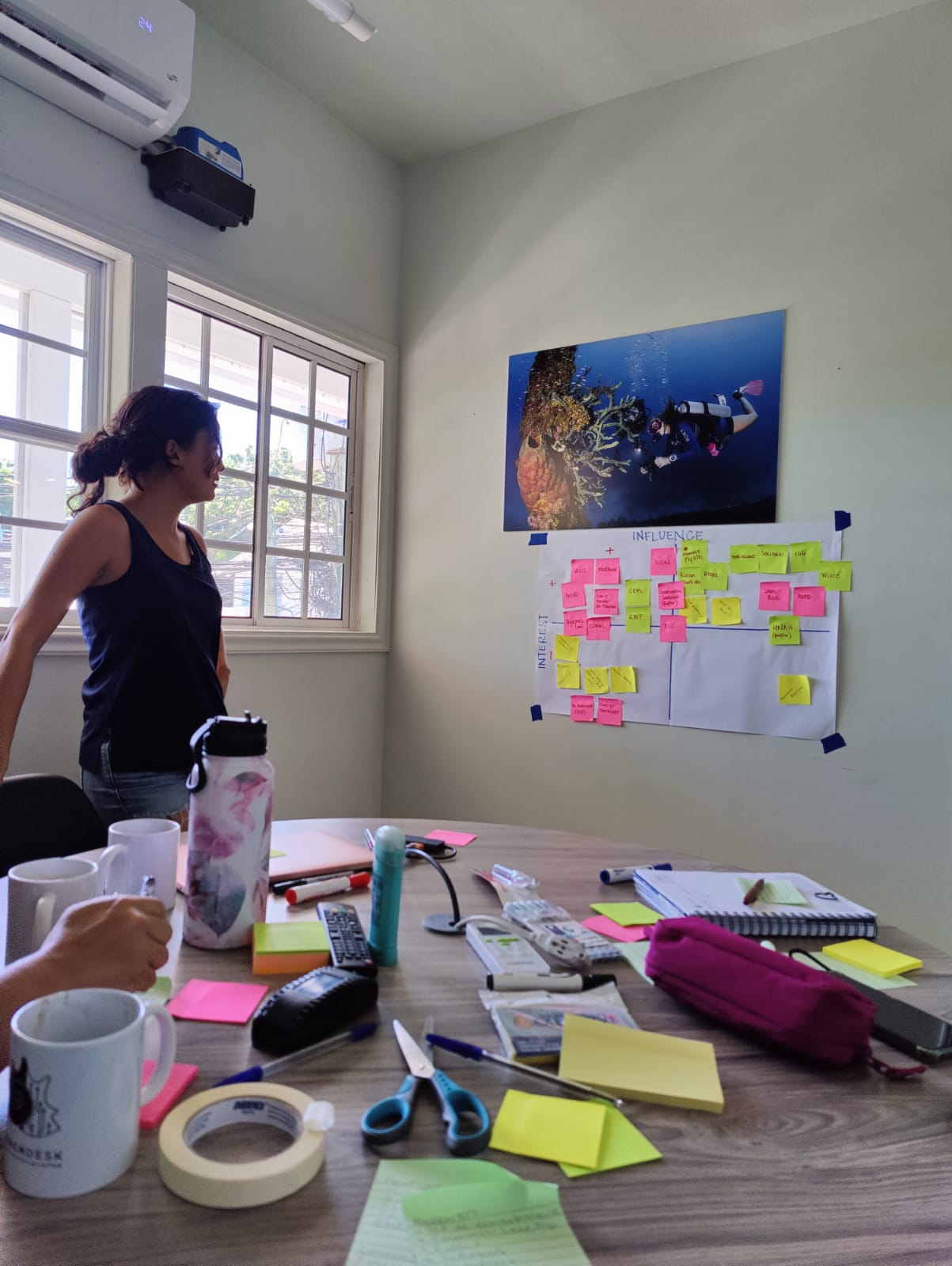
The journey to creating ilili has not been easy and it has been plagued by the very familiar impostor syndrome and the trials and tribulations of the philanthropy world. There really is not much out there on how to start an organization, how to assemble a board, and how to strategically think of your mission. How do you start an organization with zero funding and how do you convince funders that your idea is worth investing in? These were all recurring thoughts in my head back in 2020. It was not until 2022 that I finally took the leap to register ilili as an official organization and that mark the beginning of my biggest adventure and “learning opportunity.”
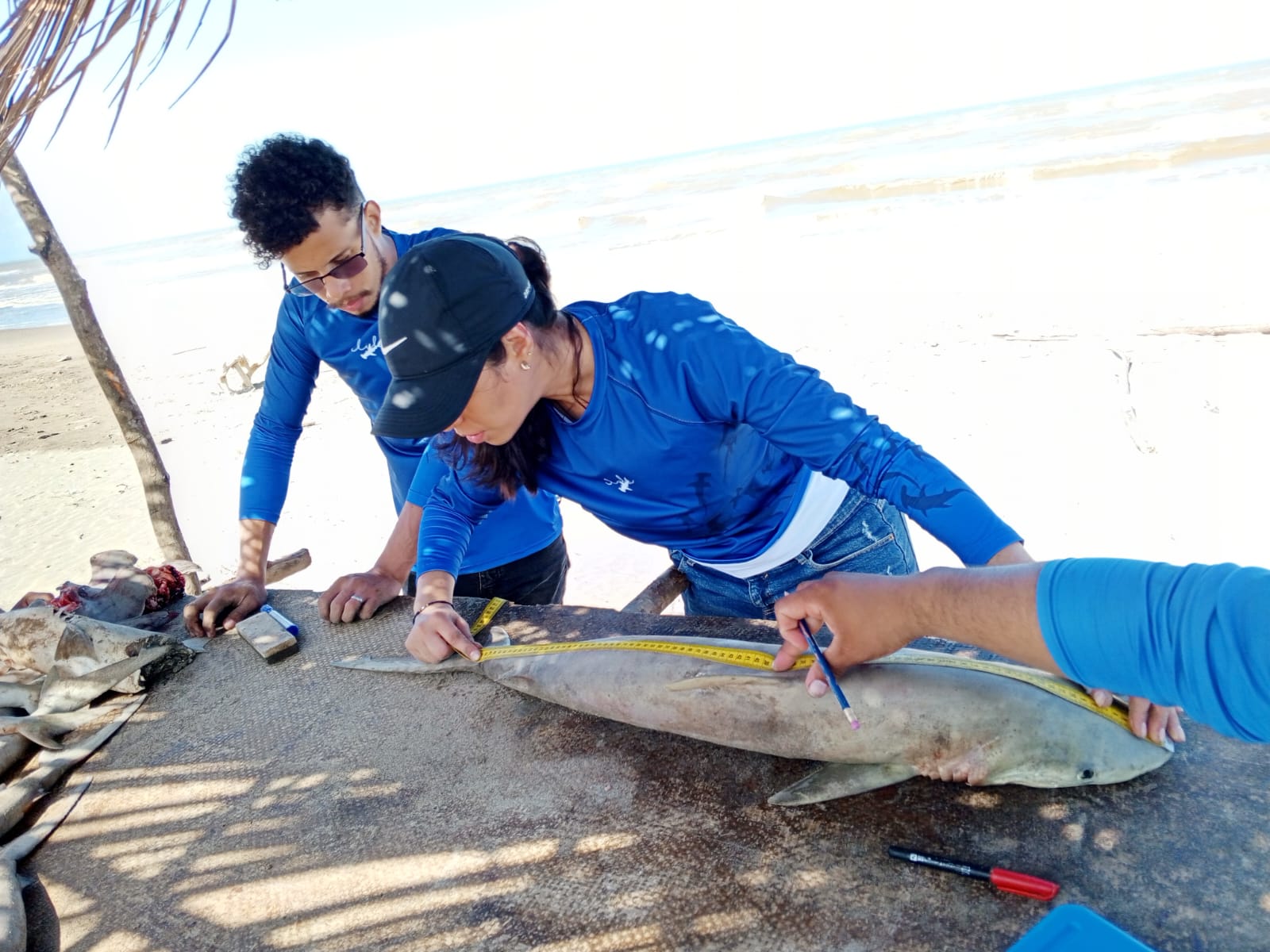
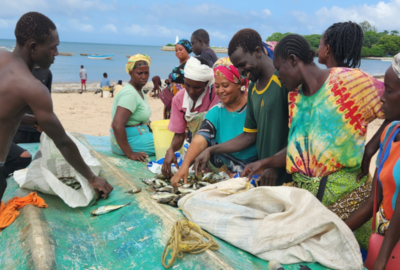
I was so lucky to find the Marine Conservation Action Fund, their small grant was really the catalyst for everything we have accomplished together with a grant from the Conservation Leadership Programme. MCAF was not concerned that this was our first project and that we were a brand-new organization; it was refreshing to see they cared more about me as a leader and human. This first funded project allowed us to hire local fishers and a research associate to begin our landings work in the Moskitia region of Honduras.
All the waters around Honduras are a shark sanctuary, and this legislation was met with severe resistance since its inception. In 2016, the government decided to amend the legislation to allow “incidental captures to be commercialized.” However, within the legislation, incidental captures were defined as an indefinite number of sharks. This significantly complicated the situation and made enforcement more difficult. To this day, fishers continue getting their incidental captures seized with several ending in jail, further putting strain on the relationships between the Fisheries Department and Miskito Fishers. Additionally, sharks continue to be caught illegally and incidentally in the months before llent. One of our first steps as an organization was to work with fishers to better understand this fishery.

Through our project we were able to begin our baseline data collection of the shark fishery. We also had the opportunity to host workshops to engage local stakeholders and government institutions in the conservation of sharks and rays. We hosted the first regional workshop with the Fisheries Department to create technical capacities to identify shark products. This was crucial to begin a working relationship with the Fisheries Department. Flash forward to 2025, we now have hosted two workshops and are planning a “train the trainers” workshop for 2026. ilili has become an advisory body for the Fisheries Department, reactivating the national shark working group and working with Wildlife Conservation Society to regulate incidental captures. This November, I will be also traveling with the Honduran CITES representative and serve as advisor for the Honduran delegation!
So much has been accomplished since this first small step with MCAF. As I look back and reflect on all we have accomplished, I try to keep reminding myself that purpose is built step by step, and that although this journey can often feel lonely, hopeless, and impossible, we need to continue to build momentum and celebrate small wins. For ilili, this means going from a one-woman team to an amazing team of young committed Honduran professionals, conversations and dialogues with shark fishers and on-going collaboration with the government of Honduras. These small wins are certainly shaping big changes for coastal communities and sharks in my home country.

Related Stories

Help Protect the Blue Planet
At the New England Aquarium, ocean conservation is at the center of everything we do. And with your help, we can tackle pressing threats facing the ocean and all who rely on it.