On Tuesday, March 31, the Atlantic Harbor Seals Exhibit will be temporarily closed for maintenance. The Harbor Seal presentations are scheduled to resume at 3:30 p.m.
Building a Fellowship Program for Early Career Scientists in Ghana
With support from the Marine Conservation Action Fund’s Fellow-Led Fellowship grant, fellow Issah Seidu is mentoring emerging researchers for the protection of Africa’s marine megafauna.
By New England Aquarium on Tuesday, January 06, 2026

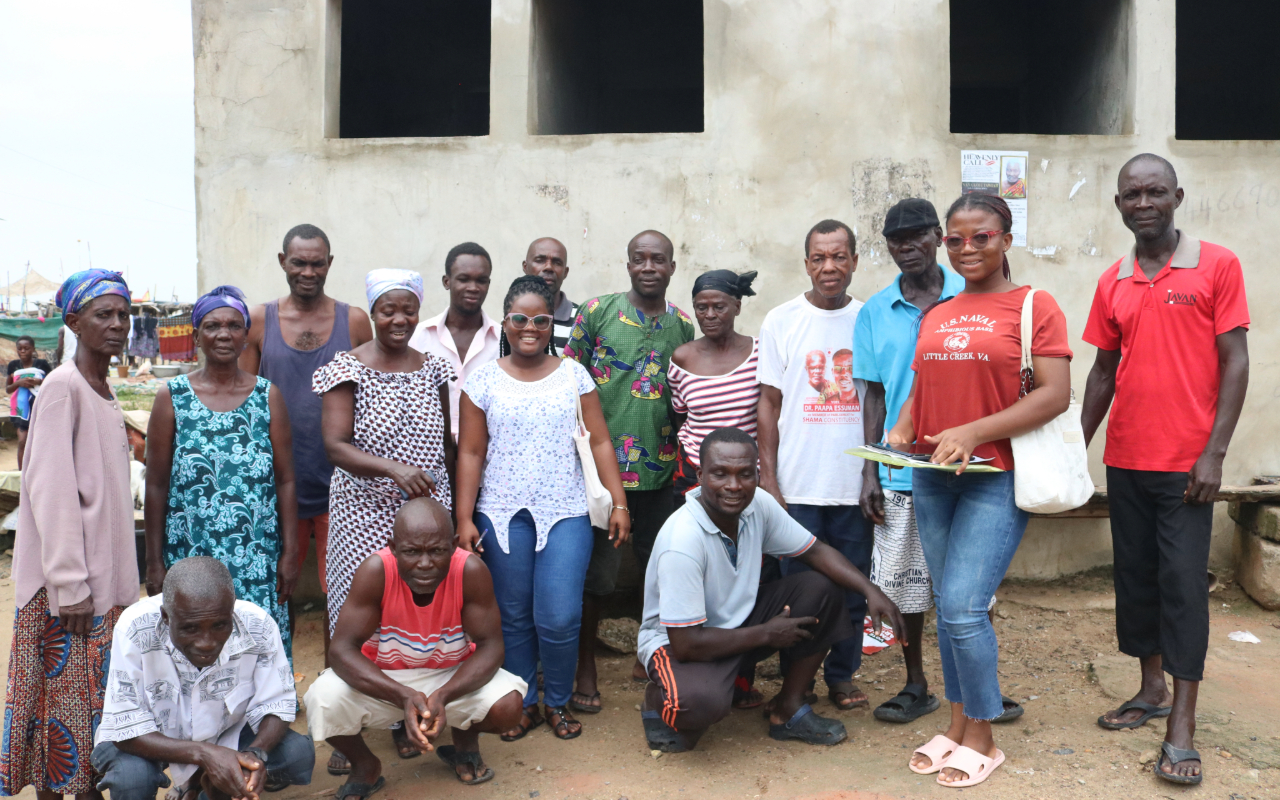
By Issah Seidu
This post is one of a series on projects supported by the New England Aquarium’s Marine Conservation Action Fund (MCAF). Through MCAF, the Aquarium offers multi-faceted support to leaders from low- and middle-income countries who are spearheading community-based ocean conservation initiatives.
Marine megafauna, which includes elasmobranchs (sharks and rays), cetaceans (dolphins and whales), and billfishes, have remained in the shadows of research and conservation works, despite being vital components of marine ecosystems and Ghana’s fishery stock. Some of these species are facing local extinction, largely due to overfishing, lack of awareness, and limited research. Across Ghana’s vibrant coastline, a quiet transformation is taking place, one that seeks to secure the future of some of the ocean’s most iconic yet overlooked species: sharks, rays, dolphins, and billfishes. Through the MCAF Fellow-Led Fellowship, AquaLife Conservancy launched a pioneering mentorship program designed to train and empower the next generation of marine conservation leaders.
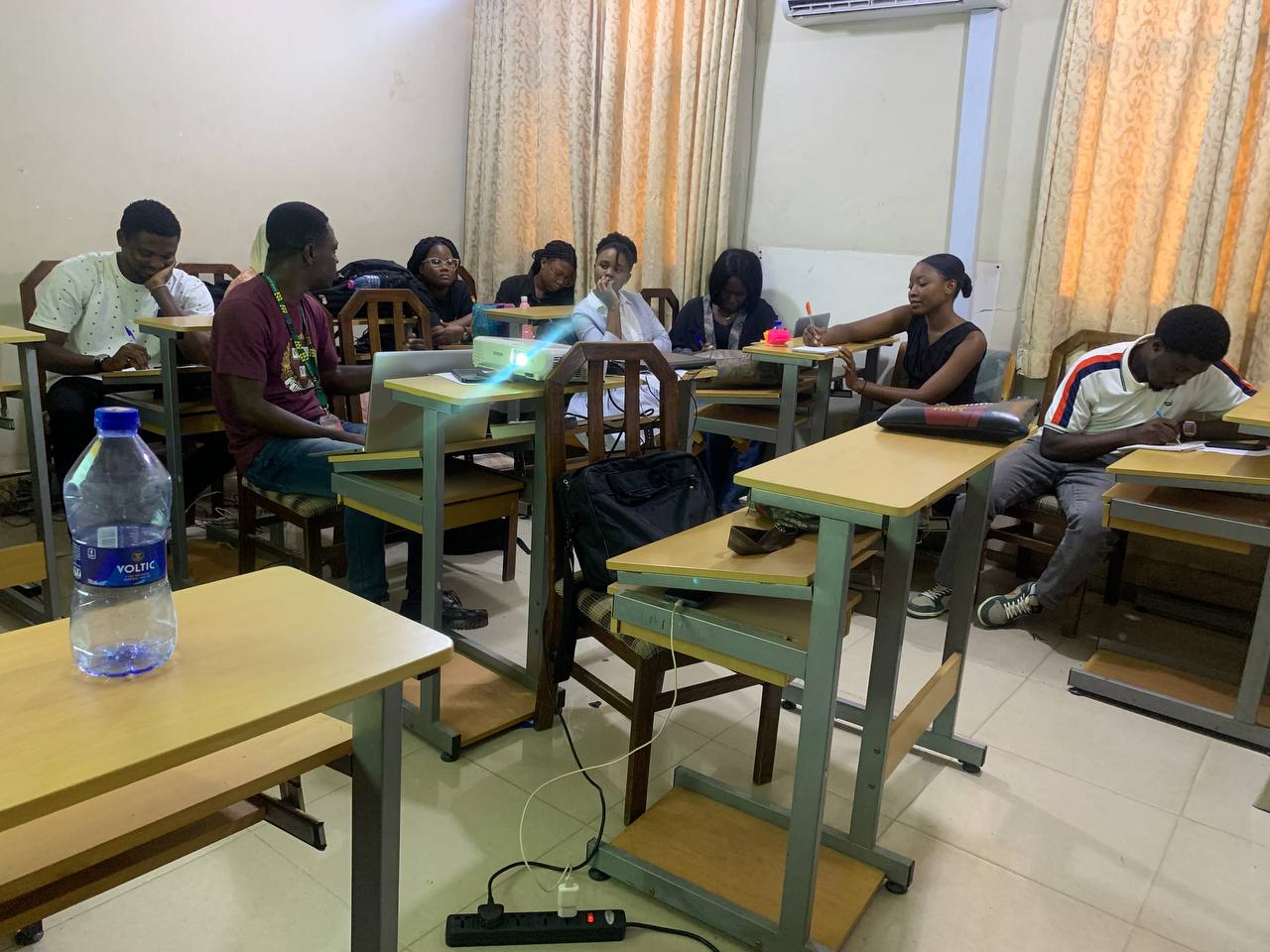
The “Tailored Hands-on Training for Early Career Scientists on Marine Megafauna Conservation in Ghana” fellowship program was designed as an immersive experience combining classroom learning, fieldwork, mentorship, and community outreach. Within the project implementation phase, eight early-career conservationists were selected through a competitive process to join the program. Through the training, especially during the data collection period, two participants got opportunities to work in other regions of the country, leaving six trainees. These participants receive both theoretical and practical training on marine megafauna ecology, species identification, and data collection techniques, as well as critical soft skills such as proposal writing, social research methods, and data analysis.
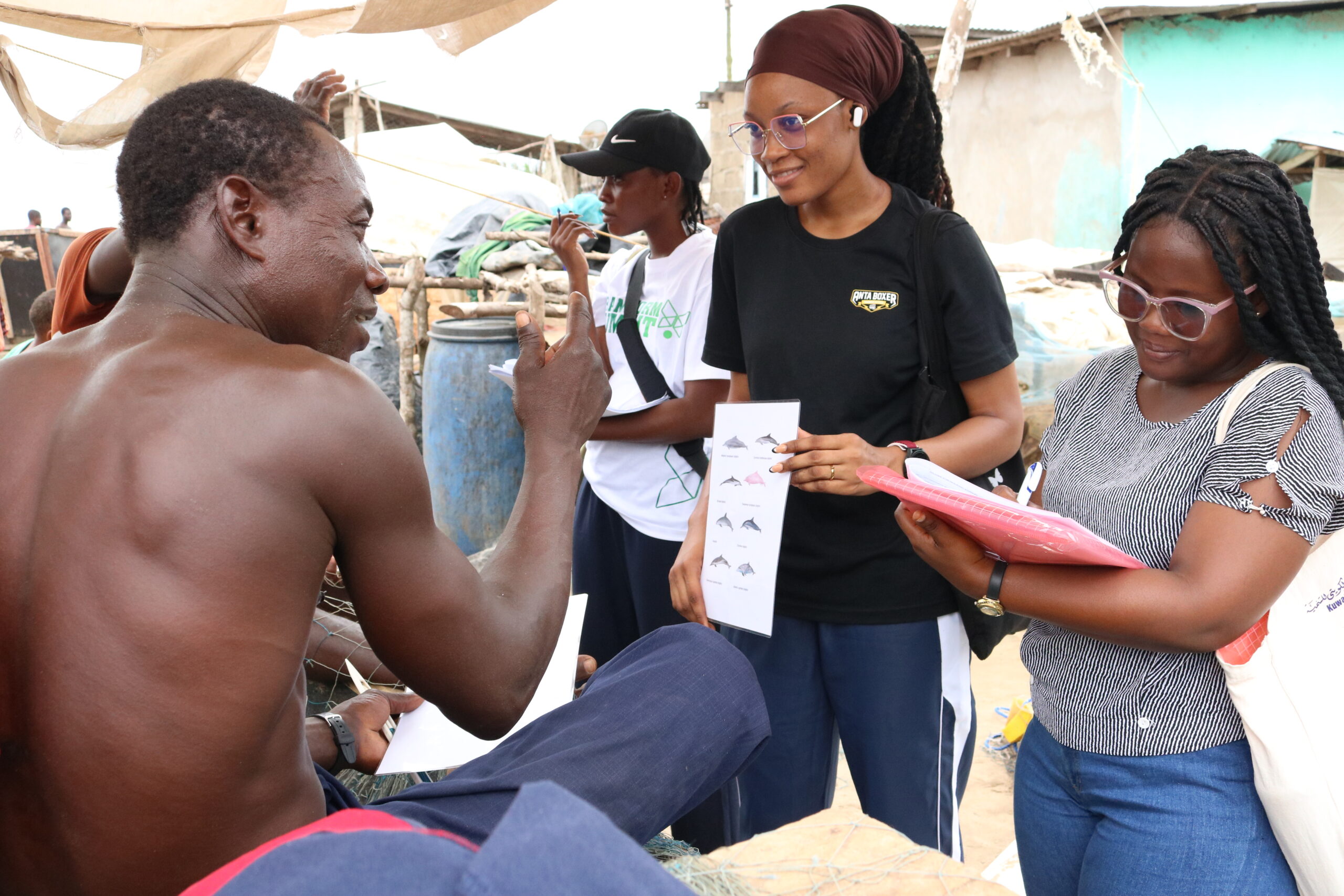
Through the fellowship, trainees conducted market surveys in fishing communities to collect socioeconomic data on sharks, dolphins, and billfish. They learn to design and implement community-based conservation campaigns using cost-effective approaches such as community outreach, house-to-house community campaigns and interviews, and after-work community meetings. Two trainees are pursuing their MPhil degree in the Department of Wildlife Management and are using the fellowship data collected for their MPhil thesis. These trainees collected extensive socio-economic and informal institutions data on marine megafauna. They are receiving ongoing mentorship from AquaLife Conservancy experts and partner scientists to refine their research, analyze data, and submit for publication in internationally recognized peer-reviewed journals.
Even in its inaugural phase, the fellowship has already recorded several significant milestones: First, six early-career conservationists, forming the first cohort, have been trained in marine biodiversity research, data analysis, and conservation advocacy. These trainees are still close with us and are supporting our activities for ocean conservation within KNUST, AquaLife Conservation, and our local communities. Second, the fellows are actively collecting the first comprehensive baseline data on billfishes and dolphins in Ghana, providing essential information for future policy and management decisions. Third, through targeted education programs and local partnerships, the fellows have reached three fishing communities in Ghana’s west coast, and has promoted sustainable fishing practices and the importance of protecting marine megafauna. Last, a structured mentorship plan ensures that fellows continue to receive guidance even after completing the program. They also gain access to networks, including opportunities for conferences, collaborations, and advanced research.
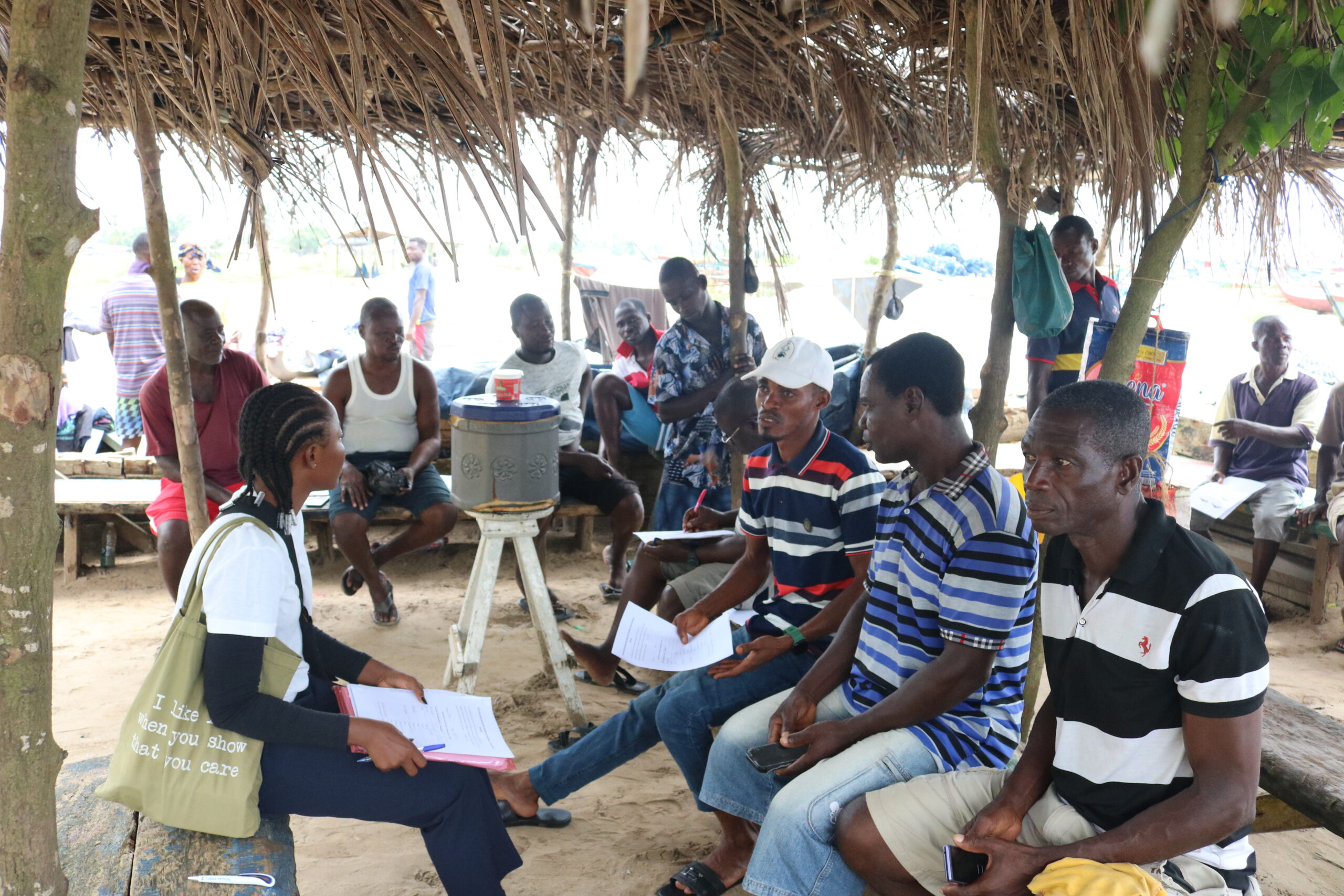
The fellowship represents more than a training program. It’s a movement to establish a culture of ocean stewardship in Ghana and West Africa. By nurturing young talent and embedding conservation values in local communities, AquaLife Conservancy aims to ensure long-term monitoring and protection of marine megafauna species.
Looking ahead, we envision the creation of a Marine Conservation Unit (MCU) that will institutionalize this model and expand it regionally. The MCU will serve as a hub for training students, researchers, and citizen scientists in marine biodiversity monitoring and conservation.

Related Stories

Let's Take Action for the Ocean Together
Your support helps us further our work to ensure a vital and vibrant ocean for all.