Lobster Pop-Up

The New England Aquarium’s BalanceBlue Lab is proud to present a pop-up featuring responsibly caught lobster.
During the month of April, the Harborview Café and Dockside Beer Garden at the New England Aquarium are serving up lobster specials, featuring locally-caught lobster fished with on-demand gear that protects North Atlantic right whales from entanglement.
Balancing Ocean Use and Conservation
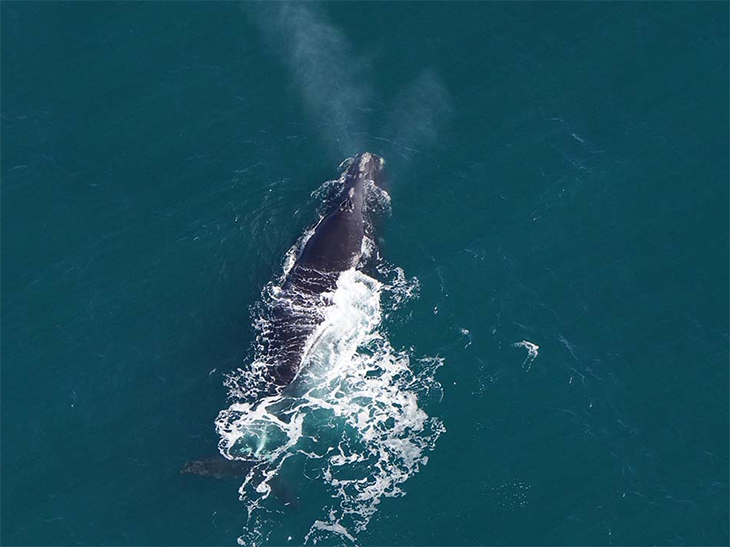
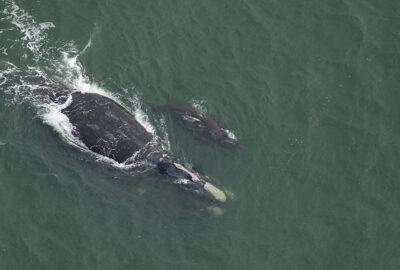
Nearly all of Massachusetts waters are typically closed to lobster trap fishing from February 1 until early May. That's when North Atlantic right whales are in our area feeding in large numbers, putting a big percentage of the population at risk of entanglement. With fewer than 380 right whales remaining, protecting them is critical for the species' survival.
How Was This Lobster Caught?
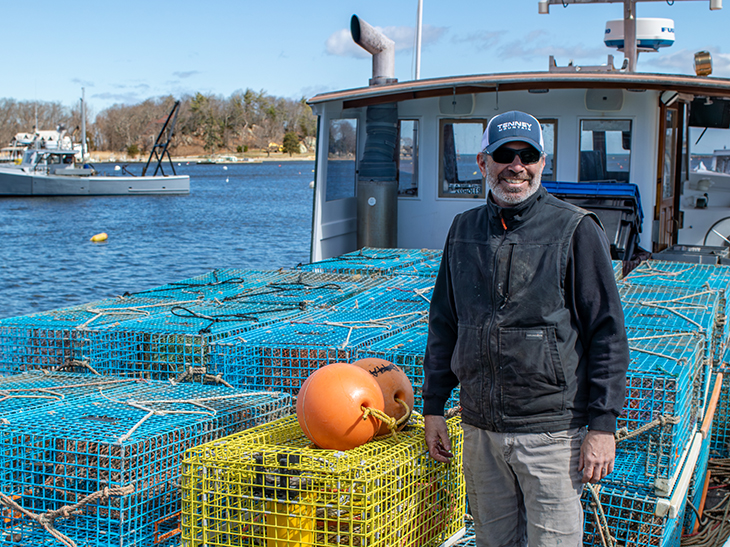
The lobster we’re serving was caught in Cohasset Harbor using on-demand gear, which eliminates persistent buoy lines in the water column that pose an entanglement hazard to right whales and other marine animals. Because this gear is safer for the whales, fishers can use it during a time of year when lobster trap fishing is typically closed.
Innovation on the Water
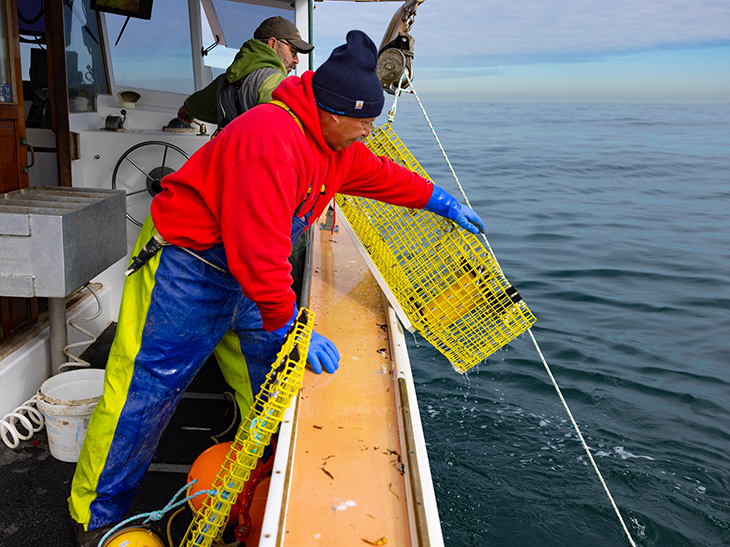
Mike Lane is just one of several local lobstermen using on-demand gear. For them, using the gear offers the opportunity to make a catch during seasonal fishing closures, so they can continue to fish while right whales are present in such large numbers. Having fishers use and test on-demand gear can also help refine the gear and encourage broader adoption across the industry.
How Does On-Demand Gear Work?
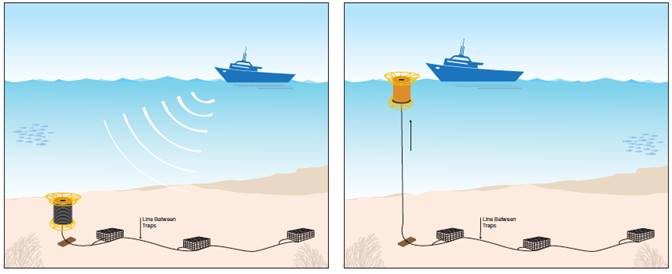
This technology has several variations, including pop-up buoys, inflatable lift bags, and buoyant spools, all eliminating the traditional use of persistent vertical lines attached to surface buoys. Gear on the sea floor can be located, released, and retrieved via an acoustic signal from a fishing boat. Efforts are underway to ensure others are able to detect the gear with its virtual mark so they know where another fisher’s on-demand gear is and can avoid deploying their gear in the same area.

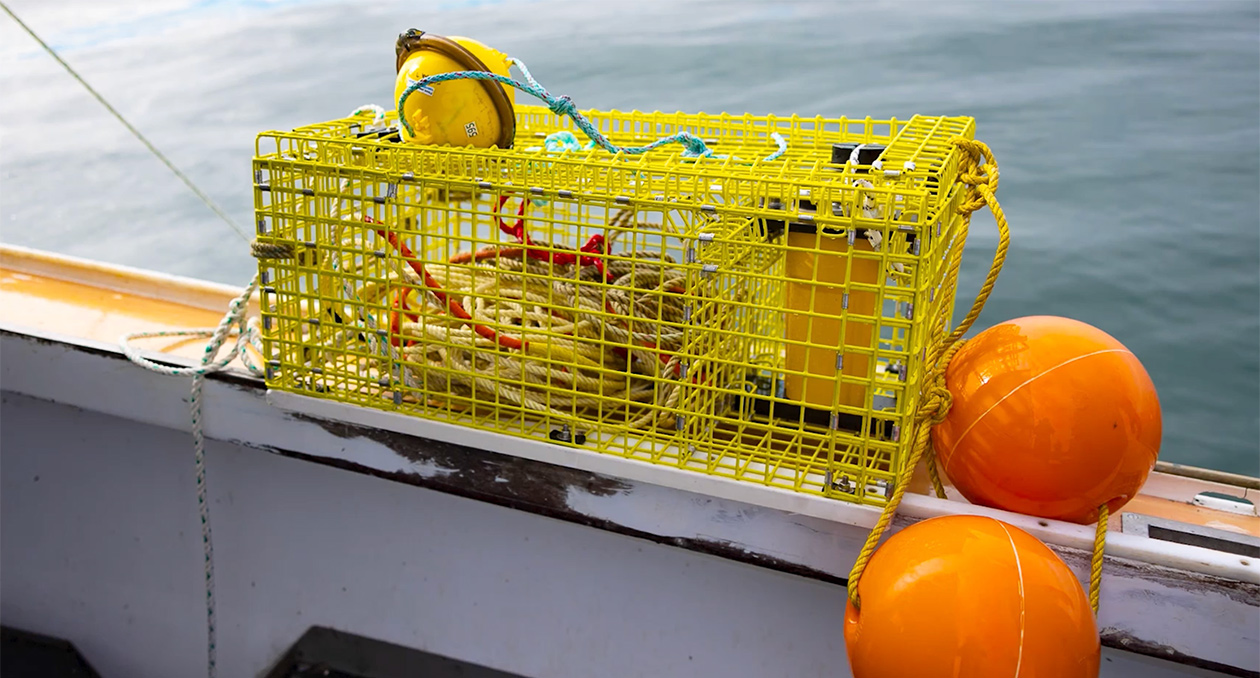
See On-Demand Gear in Action
Commercial MA fisherman shows how EdgeTech and SMELTS on-dem
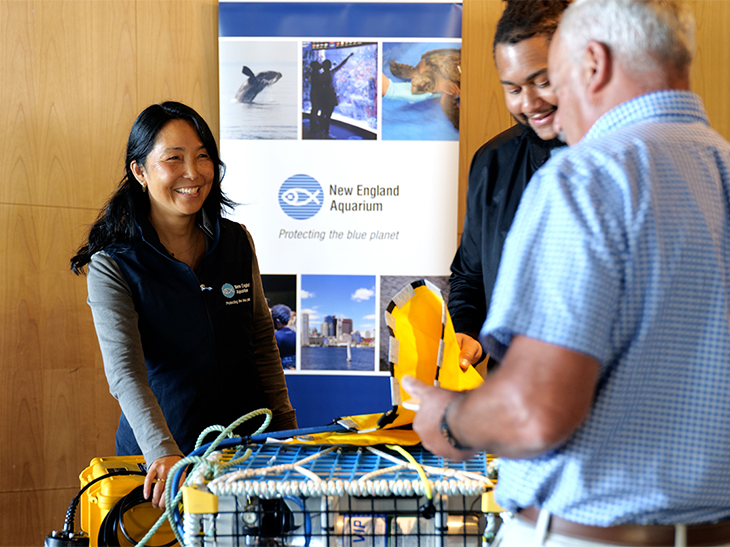
Meet BalanceBlue Lab Director Michelle Cho
The Aquarium’s BalanceBlue Lab helps ensure that the blue economy—the industries that depend on the ocean—can grow responsibly while protecting the ecosystems and communities that rely on it. Supporting technological innovations, like on-demand fishing gear that can help protect endangered species, is one way we do that.
Related Stories

Learn More About BalanceBlue Lab
The BalanceBlue Lab at the New England Aquarium is going beyond research to pilot, implement, and scale solutions that support ocean industry and ocean health—including supporting the expansion of on-demand lobster fishing gear.