Please note: The Atlantic harbor seals will temporarily be off exhibit while we improve their habitat for their comfort and well-being.
Marine Conservation Action Fund 2025 Year in Review
Read on to learn about Marine Conservation Action Fund (MCAF) projects, milestones, and more from 2025.
By New England Aquarium on Friday, March 06, 2026

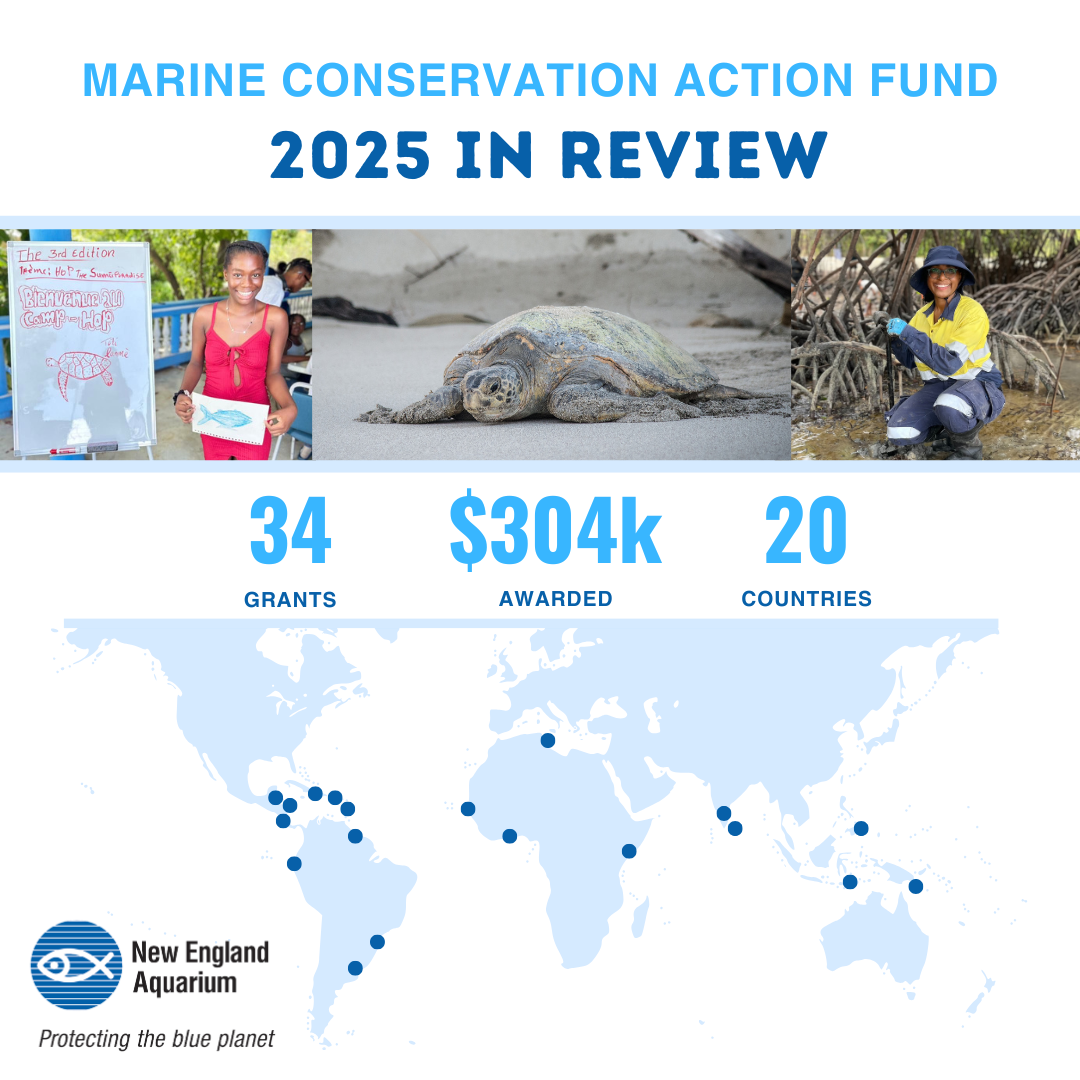
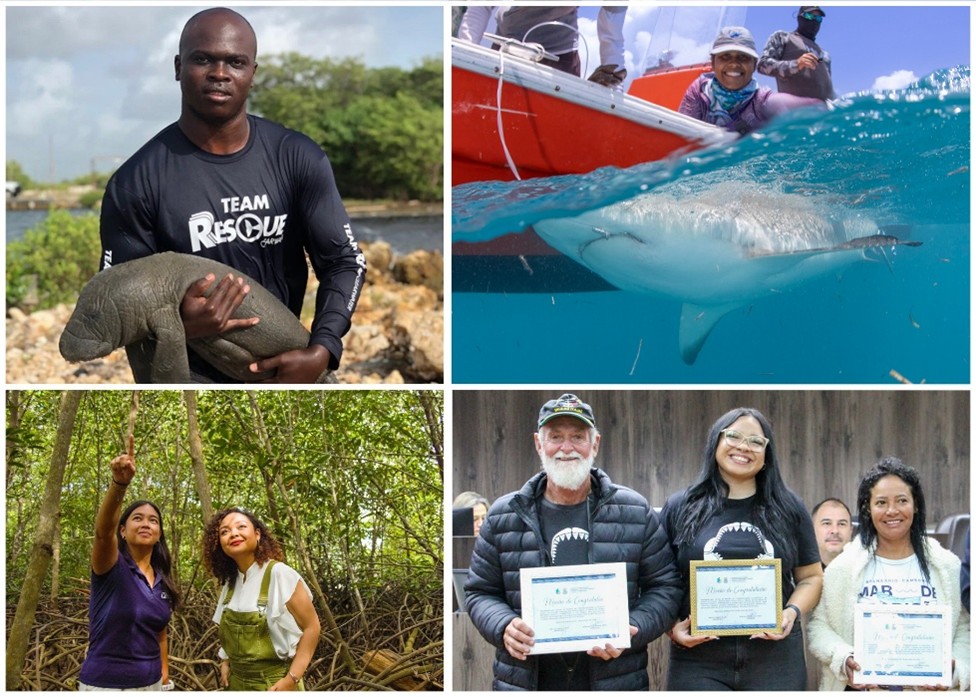
In 2025, the Marine Conservation Action Fund (MCAF) awarded $304k for 34 grants to locally-led organizations across 20 countries. These projects range from endangered species monitoring to youth education to travel support for international conferences. We were also thrilled to welcome four new visionary and accomplished ocean leaders into the Fellows Program: Frances Camille Rivera, Gabriela Ochoa, Ingrid Hyrycena, and Jamal Galves.
Read on to learn about 2025 projects, milestones, and more!
Supporting Locally-Led Ocean Conservation
In 2025, MCAF furthered its mission of supporting locally led ocean conservation projects with strong community engagement and two-way knowledge exchange. These leaders are nationals of the low- or middle-income country where the work is taking place, contributing to important work that conserves marine species and coastal habitats and livelihoods.
Examples of new projects include:
- Kernean George and Marcella Harris of the Dominica Sea Turtle Conservation Organization (DomSeTCO) are supporting locally led, long-term marine conservation in Dominica through training, community outreach, and ecosystem-based education at the Rosalie Conservation Center to protect endangered sea turtles and their coral reef habitat.
- Rovindra Lakenarine is conducting a comprehensive assessment of marine megafauna bycatch in Guyana’s artisanal gillnet fisheries — combining data from vessel observations, landing site surveys and fisher interviews — to inform management strategies that support both the long-term sustainability of marine ecosystem health and the livelihoods of local fishers.
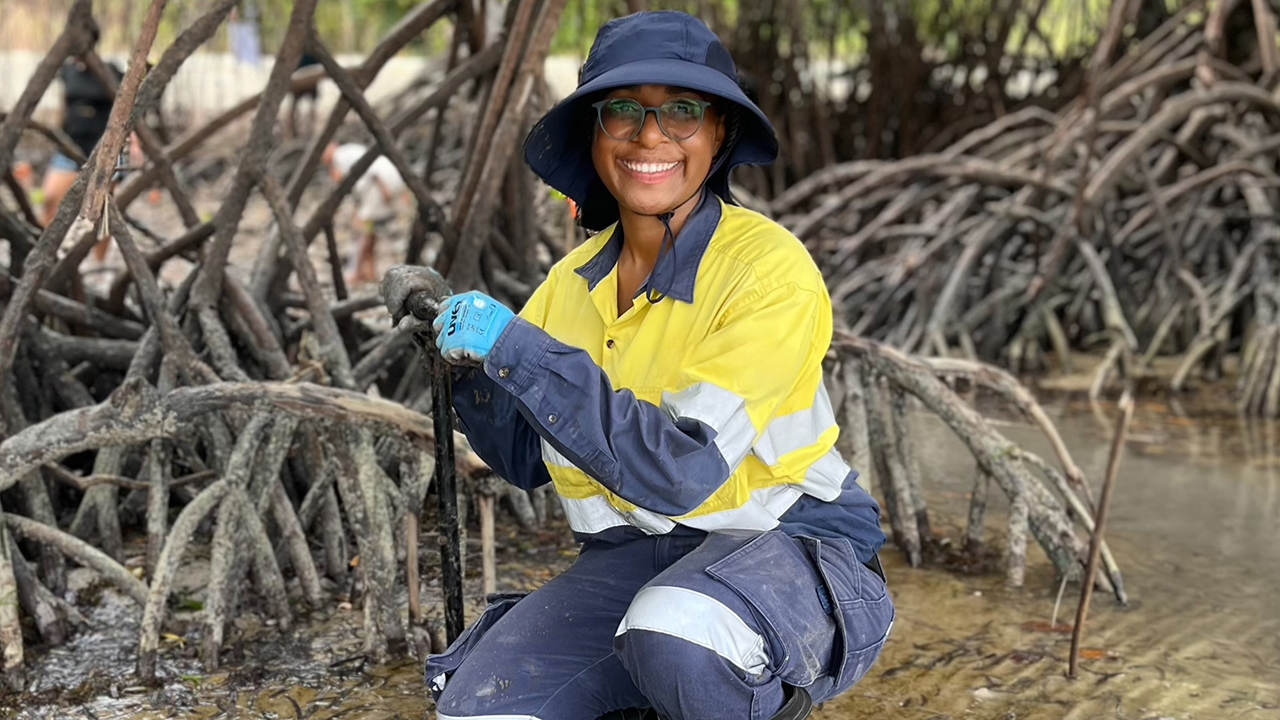
- Maisy Lus is integrating small-scale, community-managed mud crab aquaculture into ongoing mangrove restoration efforts in Gwarumemase Village, Papua New Guinea. After several years of successful mangrove planting and community engagement through the Coastline Care Project, Maisy’s team will train 25 local nursery holders (primarily women and youth) in sustainable mud crab aquaculture to reduce pressure on wild crab stocks, enhance food security, and strengthen community resilience.
Supporting Organizational Development and Sustainability
Recognizing that project-based awards do not always meet leaders’ needs, MCAF also offers funding for the sustainability and development of Fellow’s and Project Leader’s organizations. The health of such organizations is foundational to achieving lasting positive impacts on ocean conservation and local communities. Examples of organizational grants include:
- Support for Species and Spaces Foundation (SASF) founder Meghana Binraj in her role as field research lead for ICONIC Oceans in India. This cornerstone SASF initiative advances inclusive marine conservation through research on elasmobranchs, marine protected areas, and biodiversity, while fostering collaboration among scientists, communities, and policymakers across India, Nigeria, and Brazil.
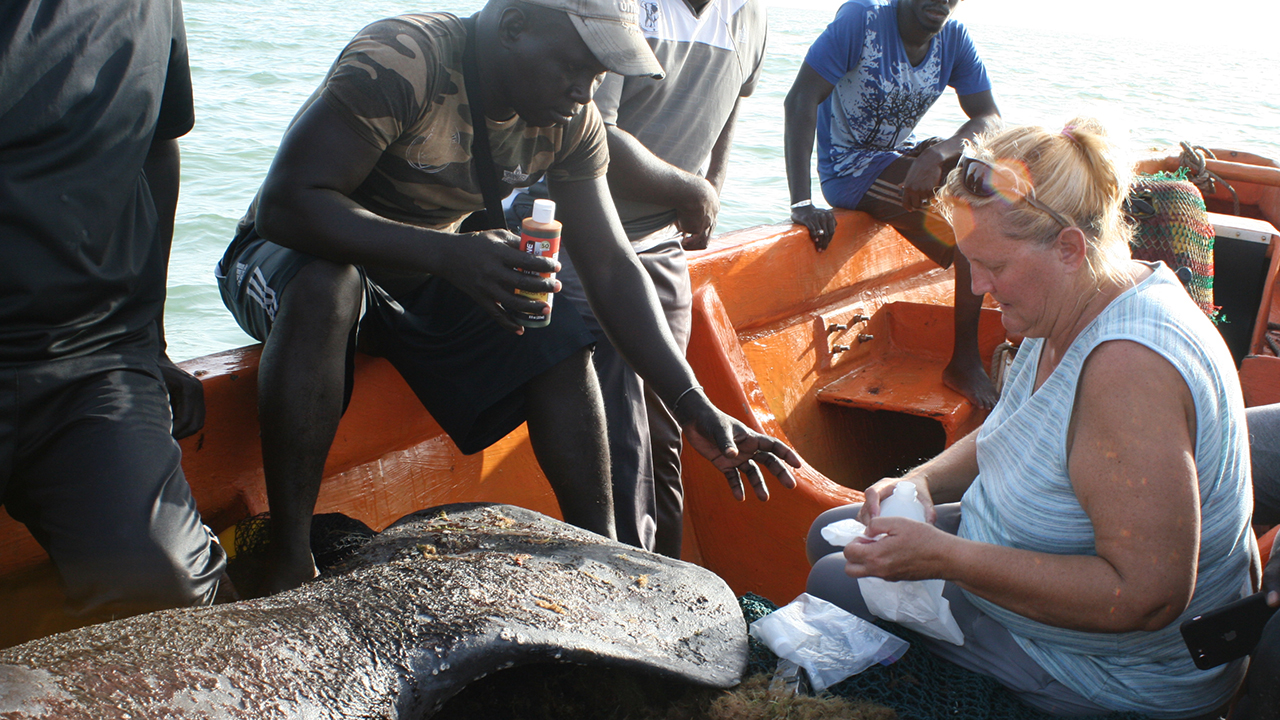
- Support for maintenance on African Aquatic Conservation Fund (AACF)’s only field vehicle. The older 4×4 truck serves all AACF Senegal marine mammal and sea turtle projects and is critical for their work. Additionally, this grant supported a small percentage of salary costs for Director Dr. Lucy Keith-Diagne in leading the African Manatee Program, the Atlantic Humpback Dolphin Project, and the Senegal Stranding Network; AACF’s administrative assistant; and an African manatee postdoctoral researcher who will lead all acoustic monitoring for manatees and dolphins.
Supporting The Next Generation of Ocean Leaders
Central to MCAF’s mission is supporting Early Career Ocean Professionals (ECOP) who have a few years of experience in their field and are interested in leading their own project. ECOP grants range from $500 to $5,000 and may include a mentor from the MCAF community, who receives a $1,500 stipend for their time. Upon completion of their project, ECOPs are eligible to apply for two subsequent years of incremental funding to build on their project. Examples of organizational grants include:
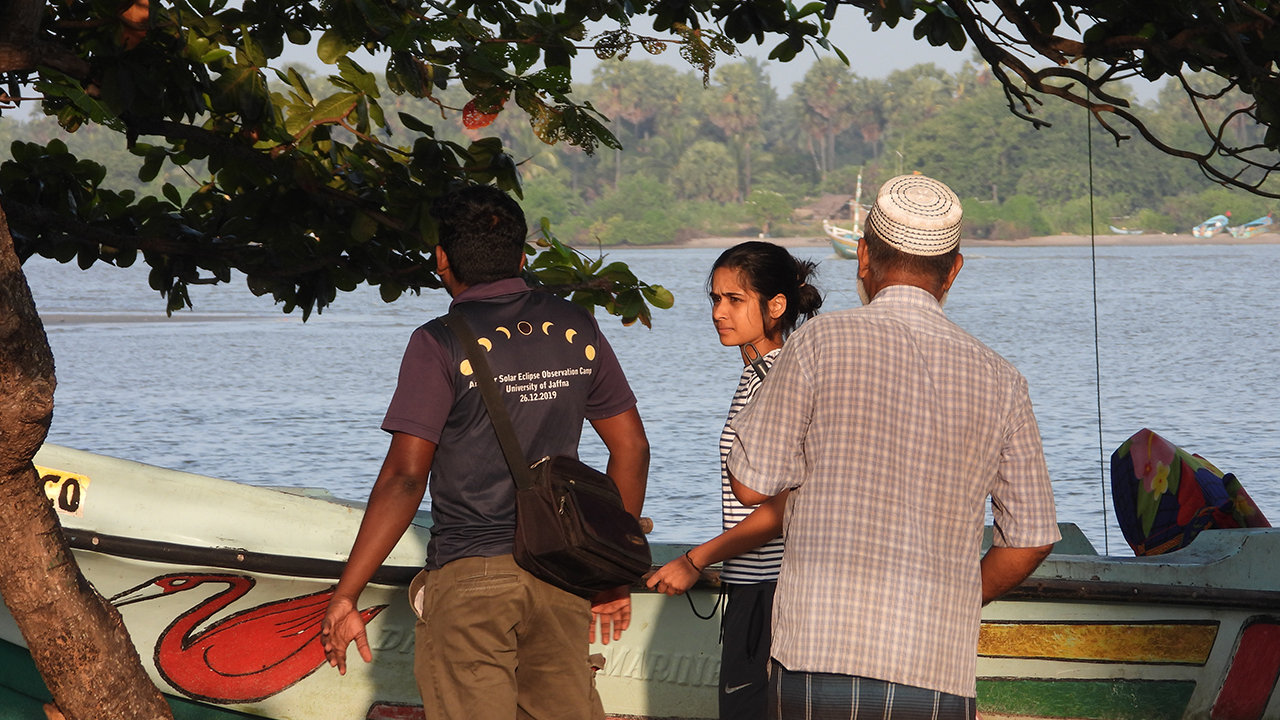
- Nimna Wickramasingha is evaluating the use of environmental DNA (eDNA) paired with visual recordings to monitor threatened chondrichthyan species in Sri Lankan fisheries. Working with MCAF Fellow Daniel Fernando, she is focusing on highly threatened, often misidentified, and poorly documented species like the stripenose guitarfish. Her goal is to improve species detection, track catch composition, and support national conservation and enforcement efforts.
- Aurora Anahí Maguiña Silva is exploring how participation in nature-based tourism influences small-scale fishers’ perceptions and relationships with marine megafauna in northern Peru. Through workshops and interviews with fishers, her goal is to inform conservation efforts and support local livelihoods amid severe bycatch pressures.
- Sylvia Adisa is analyzing the roles, challenges, and opportunities for women in Kenya’s artisanal billfish fisheries by generating a gender-disaggregated database to identify the socio-cultural, economic, ecological, and governance factors shaping participation. With mentorship from MCAF Fellow Nelly Isigi Kadagi, her findings will inform gender-responsive policies and more equitable, sustainable fisheries management.
Connecting And Elevating MCAF Leaders
With a global community of 20 fellows and dozens of project leaders, it is important to stay connected. We strive to create opportunities for community and collaboration, both online and in-person, and to amplify the work of MCAF leaders at international forums.
Examples include:
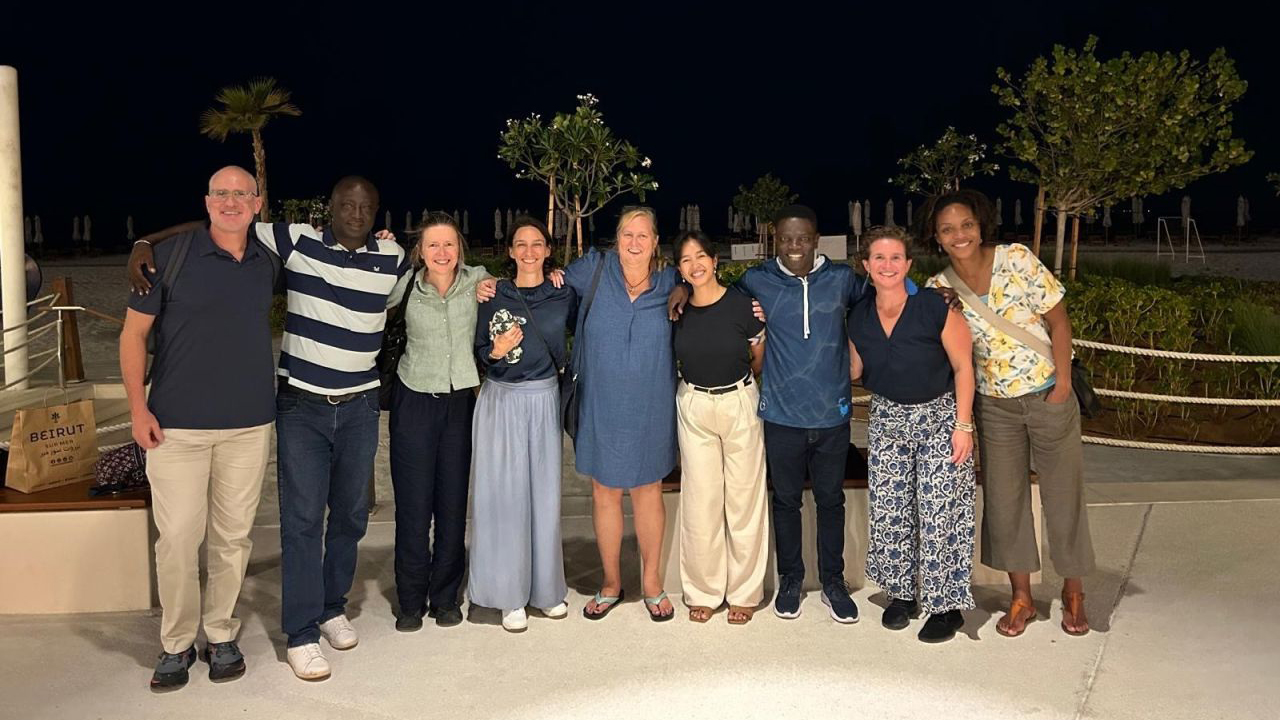
- Conference travel support: MCAF provides travel support for leaders interested in presenting their work or attending regional or international conferences. In October, MCAF supported fellows Tomas Diagne and Issah Seidu in attending the IUCN World Conservation Congress, where MCAF Director Elizabeth Stephenson and other New England Aquarium leadership spent time with five MCAF leaders.
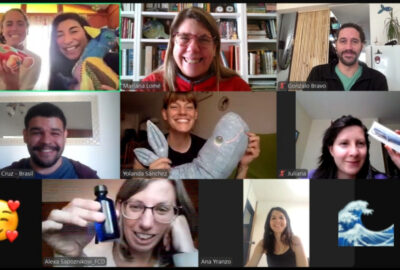
- Virtual knowledge exchanges: MCAF hosted a virtual knowledge exchange this year, focusing on sharks and rays. These meetings provided opportunities for community members to connect with each other and New England Aquarium scientists in their field.
- Speaking opportunities: In March, MCAF Fellows Gabriela Ochoa and Rafid Shidqi presented at the New England Aquarium as part of the Lowell Lecture Series, on their community-based shark conservation (full talk here). In June, MCAF Fellow Andrés López and Project Leader Ilena Zanella presented at The Explorers Club’s World Oceans Week in New York City on Misión Tiburón’s people-centered conservation strategy (full talk here).
Advocating For Best Practices in Philanthropy
The MCAF team, including Director Elizabeth Stephenson, has been leveraging conference and media platforms to communicate the program’s lessons learned in equitable philanthropy. Examples include:
- Interview with BNN: Elizabeth Stephenson joined Xiaoya Shao on Boston Neighborhood Network Media to share powerful examples of ocean conservation impact from local leaders in the MCAF Fellows community. Elizabeth shared MCAF’s whole-person approach and underscored the value of the day-to-day, year-after-year dedication of each Fellow working with local communities to create lasting change.
- International forums: At the IUCN Congress in Abu Dhabi and the UN Ocean Conference in Nice, Elizabeth engaged in workshops and peer-to-peer exchanges with funders and practitioners, sharing lessons learned from MCAF’s global community and contributing to collective best practices.
- Communities of practice: We continued to seek out knowledge exchange with other funders through donor communities, including Network of Engaged International Donors (NEID), Conservation Connect, and the Small Scale Fisheries Funder Network.
- Social media: We have shared articles on equitable approaches and created original posts about MCAF issuing wellness stipends with each grant to encourage other funders to adopt similar best practices.
Growing Our Global Community: Welcoming Four New Fellows
You can learn more about each of these remarkable leaders in our fellow announcement blog.
- Frances Camille Rivera is co-founder and director of Oceanus Conservation in the Philippines. Her organization helps to protect mangroves, coral reefs, and bird habitats while bringing ocean literacy programs to more than 7,000 students.
- Ingrid Hyrycena dos Santos is founder of Projeto Tubarão in Brazil. Her work integrates science, traditional ecological knowledge, and education to promote the conservation of endangered marine species with inclusive and sustainable practices.
- Gabriela Ochoa is founder of Ilili Honduras, a nonprofit protecting shark and ray habitats in Central America through fisheries research, marine protected area management, and partnerships with local organizations.
- Jamal “Manatee Man” Galves is a program coordinator with Clearwater Marine Aquarium Research Institute in Belize. He is devoted to saving endangered manatees of Belize from threats like boat strikes and habitat loss.
Looking Ahead in 2026
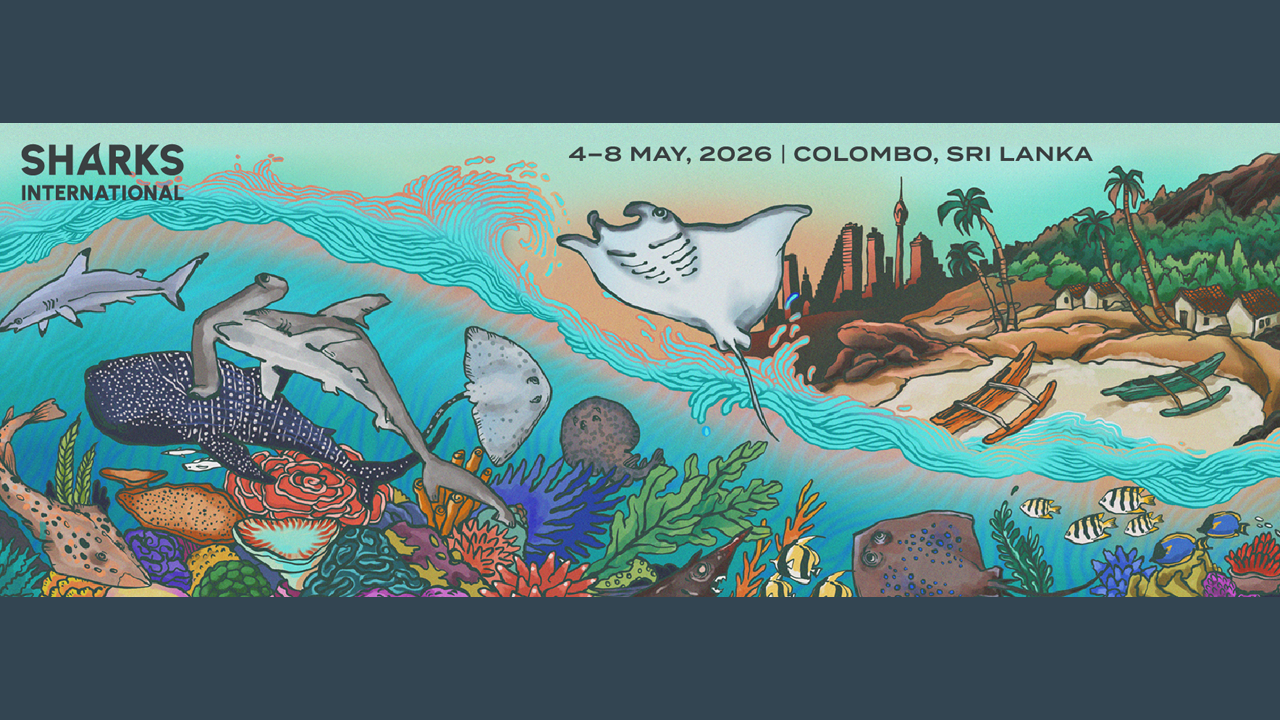
As we step into 2026, our focus is on deepening connection, strengthening impact, and expanding opportunity across our global community. This year, we will bring together our global community at Sharks International Conference in Sri Lanka, creating space for connection, collaboration, and shared learning. By supporting participation from leaders in underrepresented countries, we aim to amplify voices that are too often missing from global forums and ensure that international conservation discussions are shaped by diverse lived experiences and locally grounded expertise.
We will continue fostering meaningful knowledge exchanges across our network, strengthening peer learning and mentorship within the MCAF community. At the same time, we are focused on growing our fundraising capacity so we can offer larger and more multi-year grants that provide greater financial stability for Fellows and Project Leaders. As always, we remain committed to supporting local leaders worldwide and advancing best practices in equitable philanthropy at international forums, within communities of practice, and through our public platforms.
As we reflect on the past year, we are thankful for the supporters, partners, and MCAF leaders who make this work possible. The strength of our community continues to grow, deepening collaboration across regions and disciplines. With the lessons and momentum of 2025 guiding us, we enter 2026 energized and committed to advancing locally led ocean conservation around the world.
Related Stories

Let's Take Action for the Ocean Together
With your support, we can further our work to ensure a vital and vibrant ocean for all.