Please note: The Atlantic harbor seals will temporarily be off exhibit while we improve their habitat for their comfort and well-being.
Conservation is Built Through Community

This post is one of a series on projects supported by the New England Aquarium’s Marine Conservation Action Fund (MCAF). Through MCAF, the Aquarium offers multi-faceted support to leaders from low- and middle-income countries who are spearheading community-based ocean conservation initiatives.
Lee esta historia en español »
By Ariana McCarthy
After a lifetime dedicated to marine conservation, one lesson has become clear: no conservation project succeeds unless local communities play a leading role. My own story—growing up in a coastal community and witnessing how our relationship with sea turtles transformed over time—is proof that this kind of change is possible.
Community-based conservation depends on partnerships among the different stakeholders in a region, with each contributing their unique strengths so that initiatives respond to the community’s real needs.
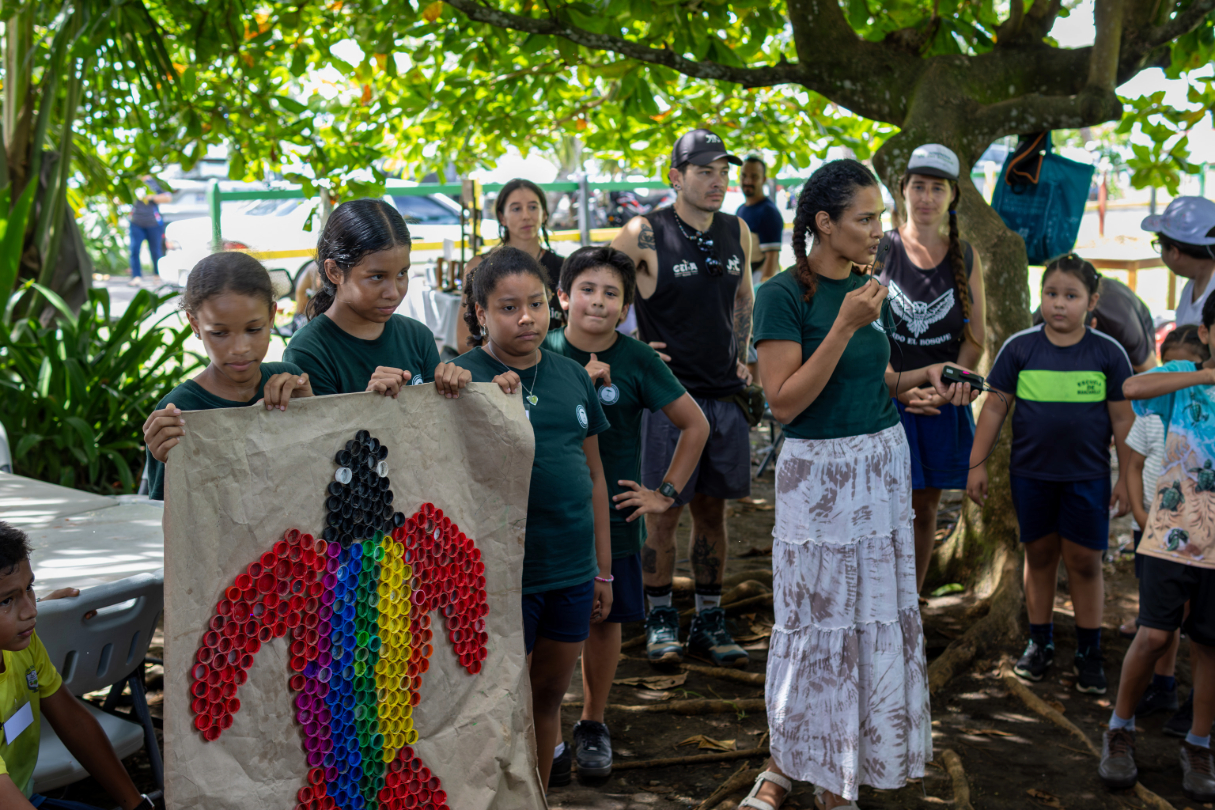
In Costa Rica’s Caribbean region, we have seen the value of this approach firsthand through environmental education programs in schools and community events such as the Manatee Festival and World Ocean Day celebrations. These activities bring together students, teachers, families, community development associations, organizations, and public institutions around a shared goal: strengthening the connection between people and nature.
More than just events, these are spaces where relationships are built, responsibilities are shared, and new leaders emerge. By offering meaningful, hands-on experiences in nature, they foster a stronger sense of belonging and the emotional connection that inspires people to protect what they know and value.
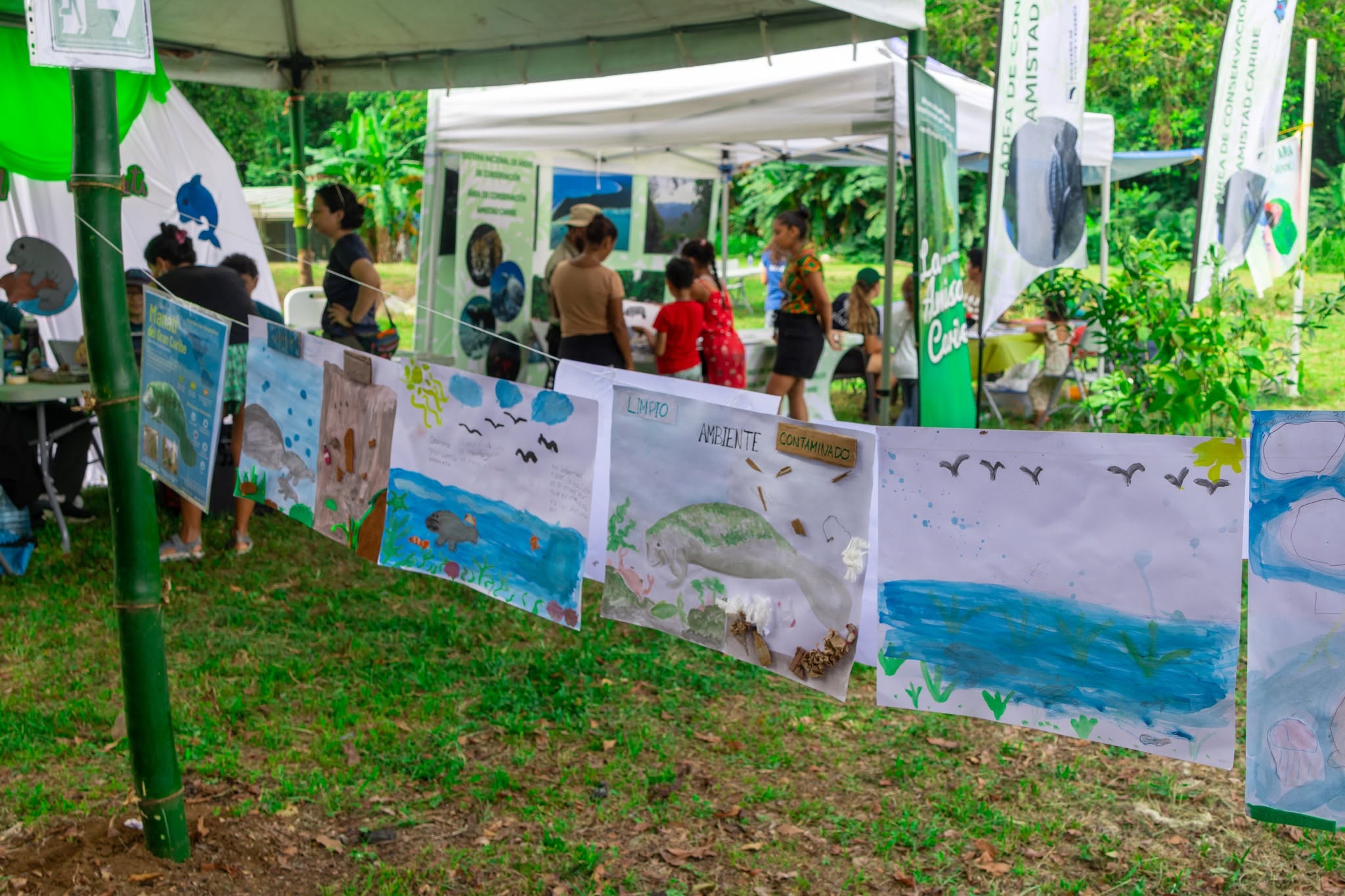
Science provides the evidence needed to guide conservation, while communities provide the long-term commitment required to sustain those efforts. Neither of these components would have the same impact on their own. True success lies in strengthening communities that recognize the value of their biodiversity, actively participate in its conservation, and become the strongest allies in safeguarding its future.
Conservation cannot be imposed from the outside or achieved in isolation. It is built through listening, collaboration, and creating opportunities for everyone to contribute. When a community takes ownership of conservation, projects cease to be temporary initiatives and become lasting processes that can endure for generations.

Related Stories

Supporting Locally-Led Ocean Action Worldwide
The New England Aquarium’s Marine Conservation Action Fund is a small grants and fellowship program that provides support for community-based projects spearheaded by local conservation leaders in low- and middle-income countries around the globe.