Please note: The Atlantic harbor seals will temporarily be off exhibit while we improve their habitat for their comfort and well-being.
Endangered Species You’ll See at the New England Aquarium
By New England Aquarium on Friday, May 15, 2026

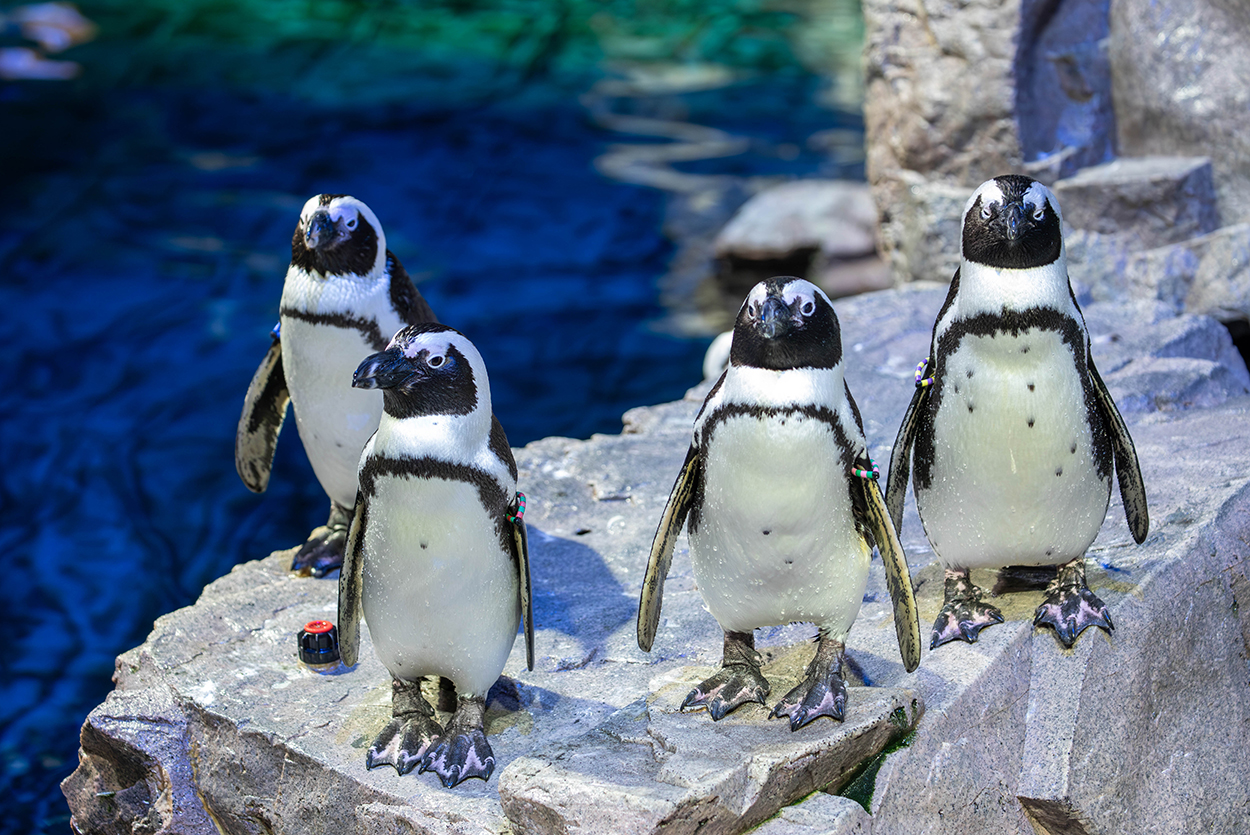
The International Union for Conservation of Nature (IUCN)—of which the New England Aquarium is a member—lists more than 48,600 species worldwide that are threatened with extinction. Established in 1964, the ICUN Red List of Threatened Species is the most comprehensive source of global extinction risk for living things and plays a critical role in helping catalyze action to protect threatened wildlife.
For Endangered Species Day in May, take a moment to learn about some of the endangered animals you can see at the Aquarium and how we’re working to protect them.
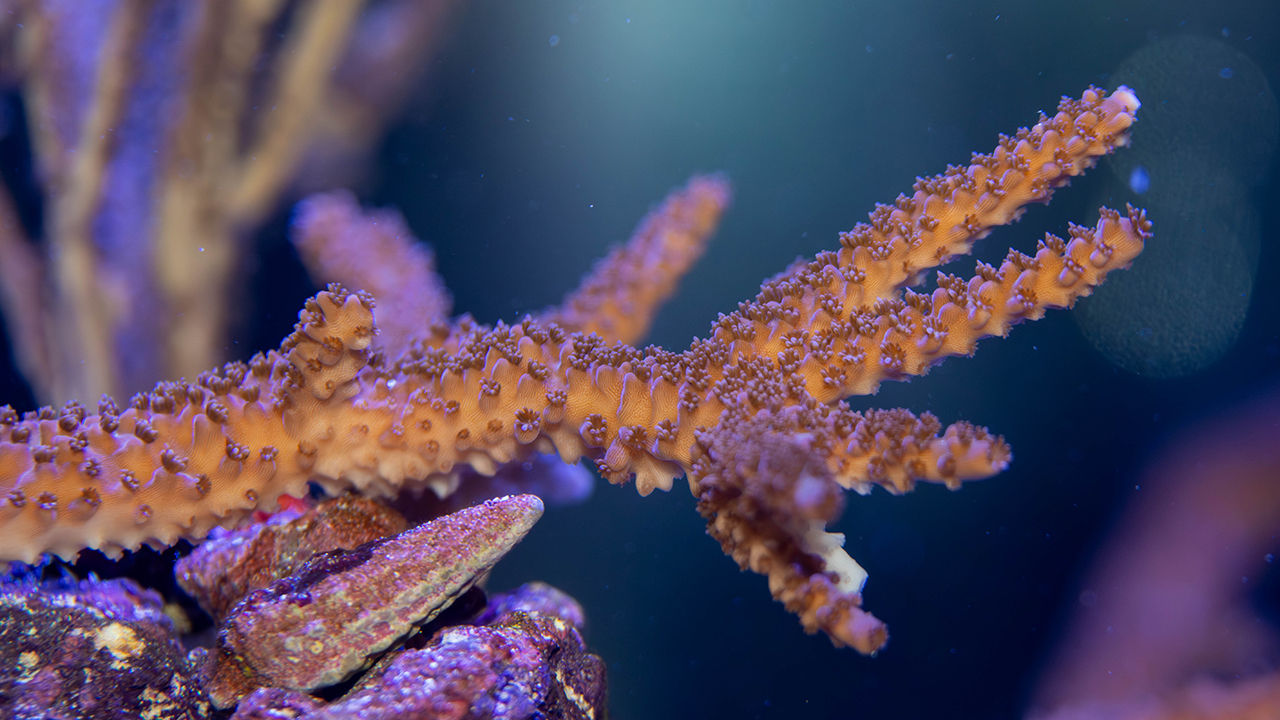
Staghorn coral
Staghorn corals are a species of stony coral, the types of coral which form many reef structures, and are found in tropical waters in the Caribbean and southern Florida Staghorn corals were once a dominant species, providing habitats for many other marine animals. But today, they’ve been decimated by disease, and only about three percent of the historical population remains.
You can also see two other endangered stony corals at the Aquarium which are native to the Indian and Pacific Oceans. There’s the leaf plate monitpora—which has a broad, flat appearance—and cauliflower coral—which looks a bit like its vegetable namesake.
Coral reefs worldwide are threatened by climate change and warming ocean temperatures, as well as human activities such as boating and fishing. These reef-building stony corals are also facing an existential threat from Stony Coral Tissue Loss Disease.
Today, the Aquarium participates in the Association of Zoos and Aquariums’ SAFE (Saving Animals From Extinction) Coral Program to support collaborative efforts to protect these essential species. While efforts are currently focused on corals in the western Atlantic region, SAFE Coral aims to expand its efforts over the next decade to the many threats facing corals around the globe.
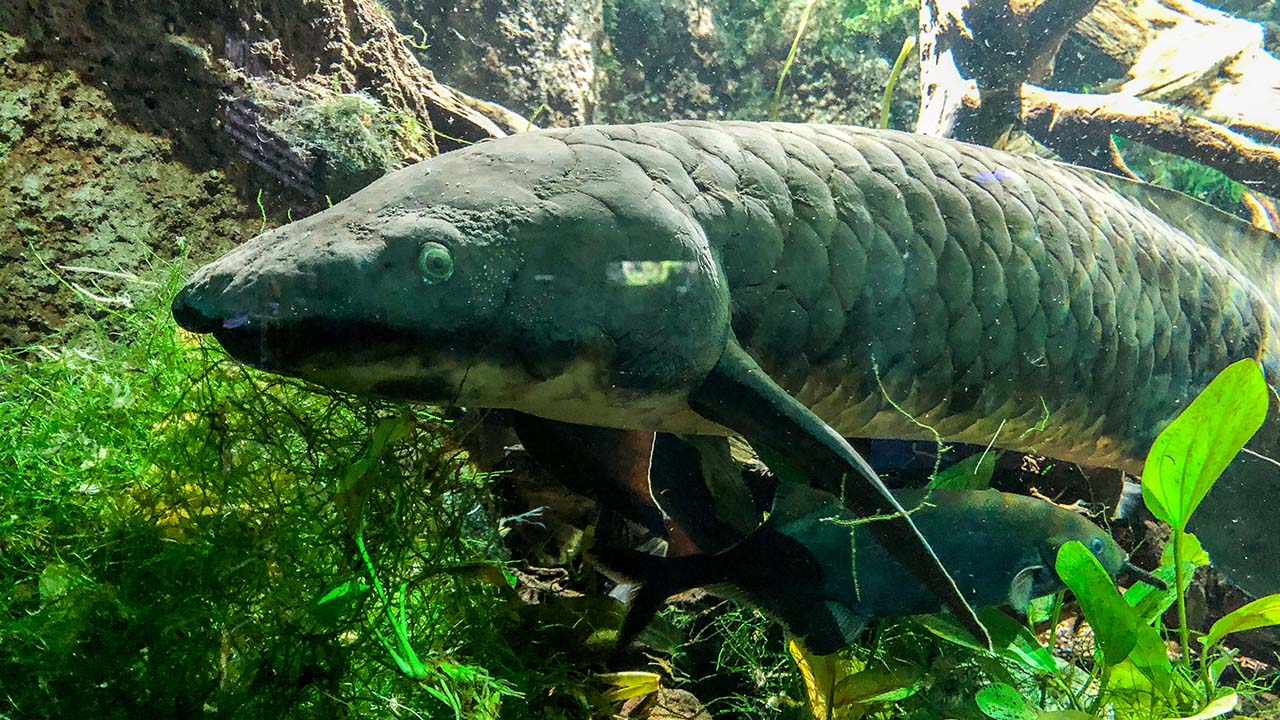
Australian lungfish
The Australian lungfish is the closest living fish relative to tetrapods, which includes all amphibians living and extinct. Ancient tetrapods evolved into early mammals—making the Australian lungfish your closest Aquarium ancestor!
These fish still have lobed fins, the evolutionary precursor to the limbs that allow us to live on land. While Australian lungfish primarily use gills for breathing, they also have a single lung—hence their name—that helps supplement oxygen intake during periods of low water oxygen, such as during seasonal changes.
Australian lungfish are listed as endangered on the IUCN Red List primarily due to their sensitivity to human-caused changes to their habitat. In the wild, they’re found in only three river systems in northeastern Australia. While they can live to be 100 years old, researchers estimate that fewer of them in the wild are living to reach breeding age and that they are losing critical spawning habitat. They also face threats from invasive species, such as tilapia, which eat their eggs.
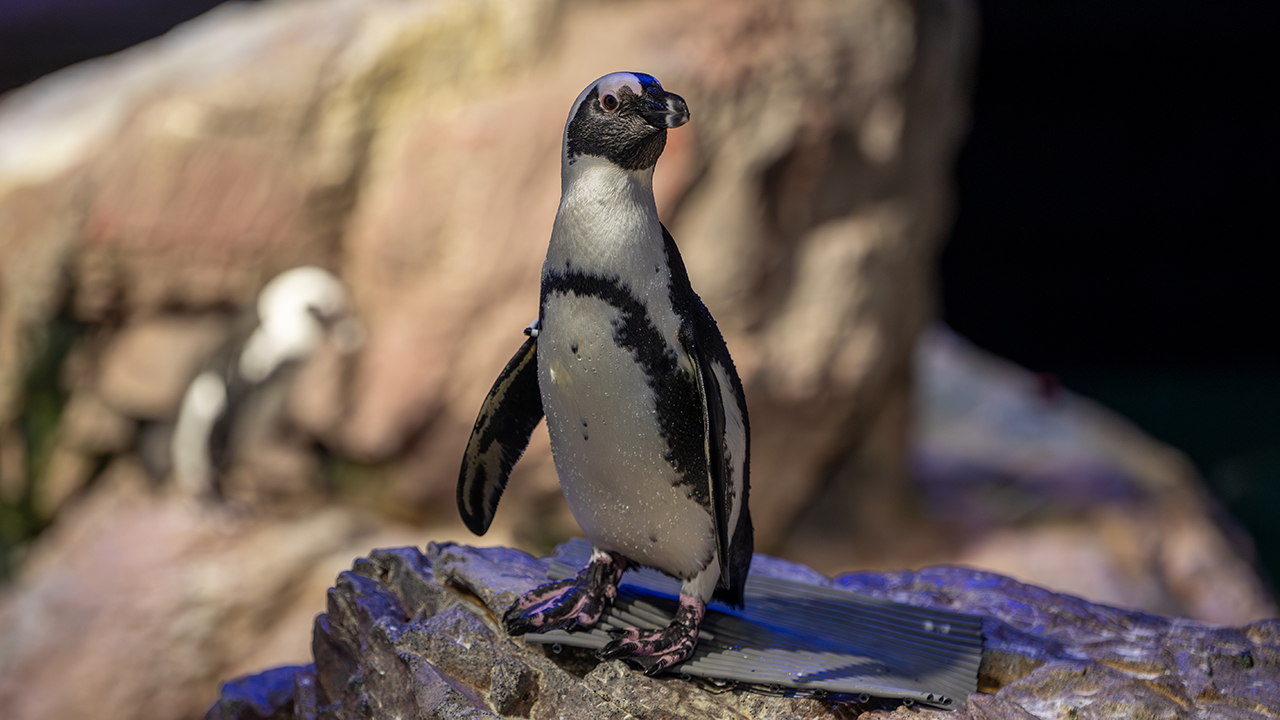
African penguin
Wild African penguins are critically endangered and are experiencing an ongoing decline in their population as they face threats from overfishing, climate change, and pollution. Some scientists estimate that they could be functionally extinct in parts of South Africa by 2035.
The New England Aquarium participates in conservation for African penguins through the AZA SAFE African Penguin Program, as well as a Species Survival program for these animals. As part of the SSP, we work with other AZA-accredited institutions to maintain a thoughtful African penguin breeding program.
Through AZA Safe, we also offer educational opportunities for guests and participate in field conservation work including with the Southern African Foundation for the Conservation of Coastal Birds (SANCCOB) in Cape Town and Gqeberha, Africa.
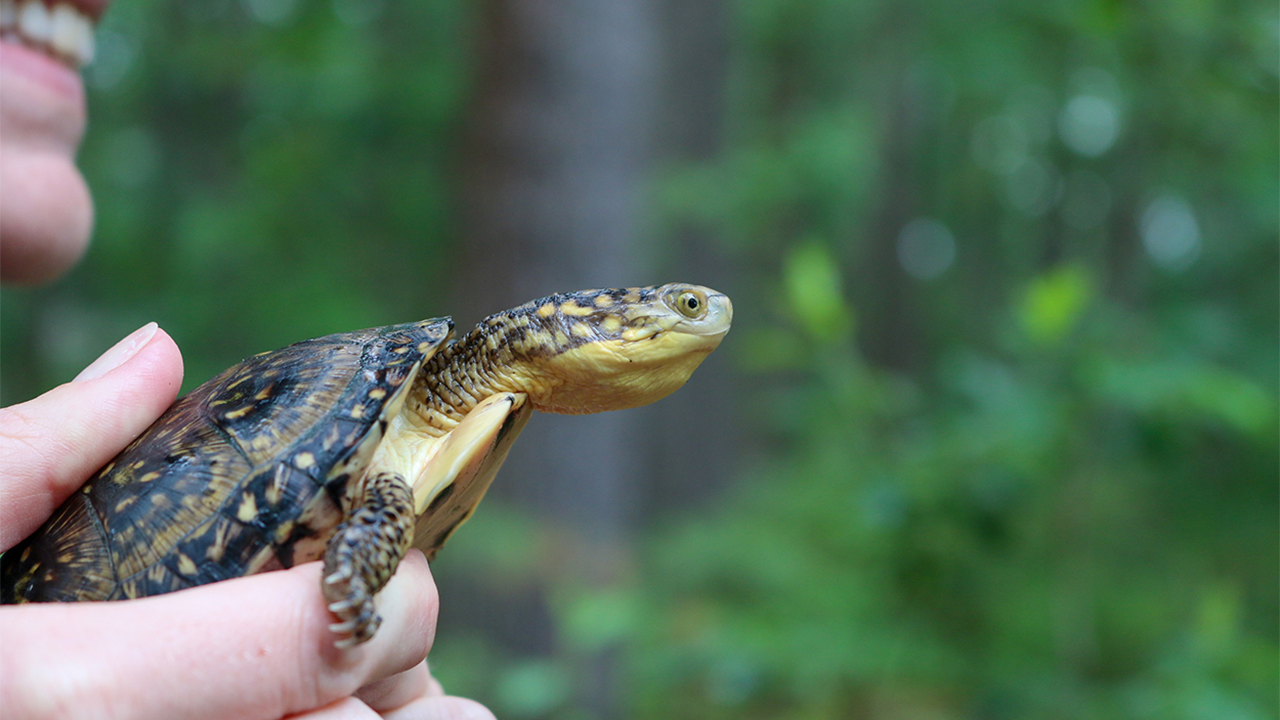
Blanding’s turtle
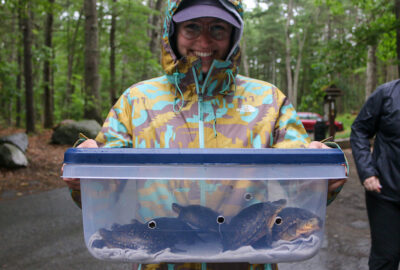
Blanding’s turtles are a freshwater species local to New England, and one of the most threatened species in the northeastern US, with possibly fewer than 3,000 individuals remaining in the region of Massachusetts, New Hampshire, Maine, New York, and Pennsylvania. Like the Australian lungfish, Blanding’s turtles are long-lived, reaching 80 or older, and they are slow to reproduce, laying their first eggs around age 20. That makes their population especially vulnerable to disruption.
The Blanding’s turtles at the Aquarium are one of our ambassador species, which you may spot during live animal presentations with our Visitor Educators. Behind-the-scenes, our aquarists care for these endangered turtles as part of Zoo New England’s Hatchling and Turtle Conservation through Headstarting (HATCH) program. Through HATCH, hatchling and yearling turtles get a chance to grow up and gain strength in a supportive environment during the fall and winter, getting a “head start” on life when they’re released by our team in the spring.
Zoo New England estimates that Blanding’s turtle hatchlings at Great Meadows Wildlife Refuge in Concord, MA—home to one of New England’s largest Blanding’s turtle populations—have about 30 times better odds of surviving to adulthood thanks to HATCH and other turtle conservation efforts.
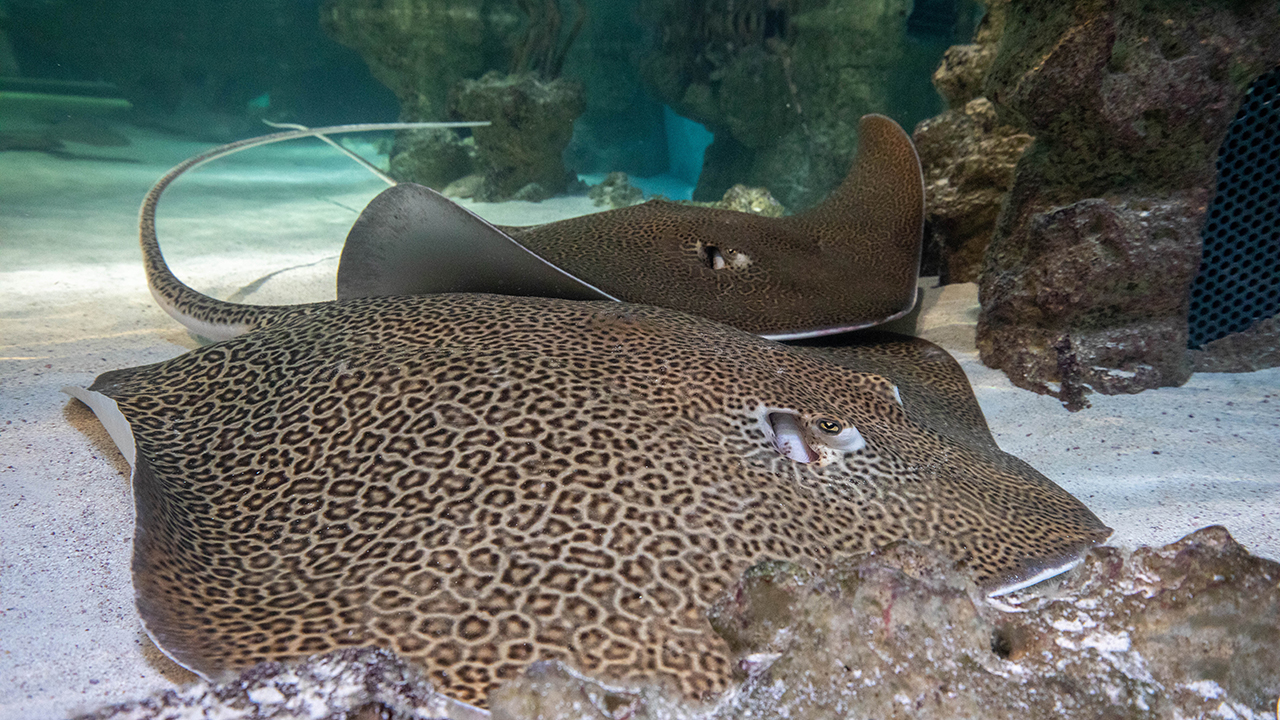
Leopard whiptail ray
The leopard whiptail rays are the largest animals in our Trust Family Foundation Shark and Ray Touch Tank—both weigh in at over 100 pounds! Aside from their size, their striking spotted pattern makes them hard to miss.
Leopard whiptail rays have a wide range in the wild; you can find them along sandy ocean bottoms throughout Southeast Asia as well as the Indo-Pacific. In some regions, they are heavily fished for their meat and skin and, throughout their range, are also vulnerable to accidental bycatch and habitat loss.
Efforts to educate local fishers on sustainable practices and establishing protections for vulnerable species—work like what’s being done by fellows in our Marine Conservation Action Fund—can help these animals rebound.
Keep an eye out for these endangered animals during your next Aquarium visit. Every ticket purchase supports our work to protect the blue planet!

Related Stories

Become an Aquarium Member
An Aquarium membership gives you access to all the wonders of our blue planet and supports our work to protect the ocean.