Please note: The Atlantic harbor seals will temporarily be off exhibit while we improve their habitat for their comfort and well-being.
From Los Mochis to Ohuira: A Journey Toward Community-Based Marine Conservation
Working closely with community members in Mexico’s coastal villages, Marine Conservation Action Fund project leader Alejandra Sandoval aims to help protect biodiversity while supporting sustainable livelihoods.
By New England Aquarium on Thursday, May 21, 2026

By Alejandra Sandoval
This post is one of a series on projects supported by the New England Aquarium’s Marine Conservation Action Fund (MCAF). Through MCAF, the Aquarium offers multi-faceted support to leaders from low- and middle-income countries who are spearheading community-based ocean conservation initiatives.
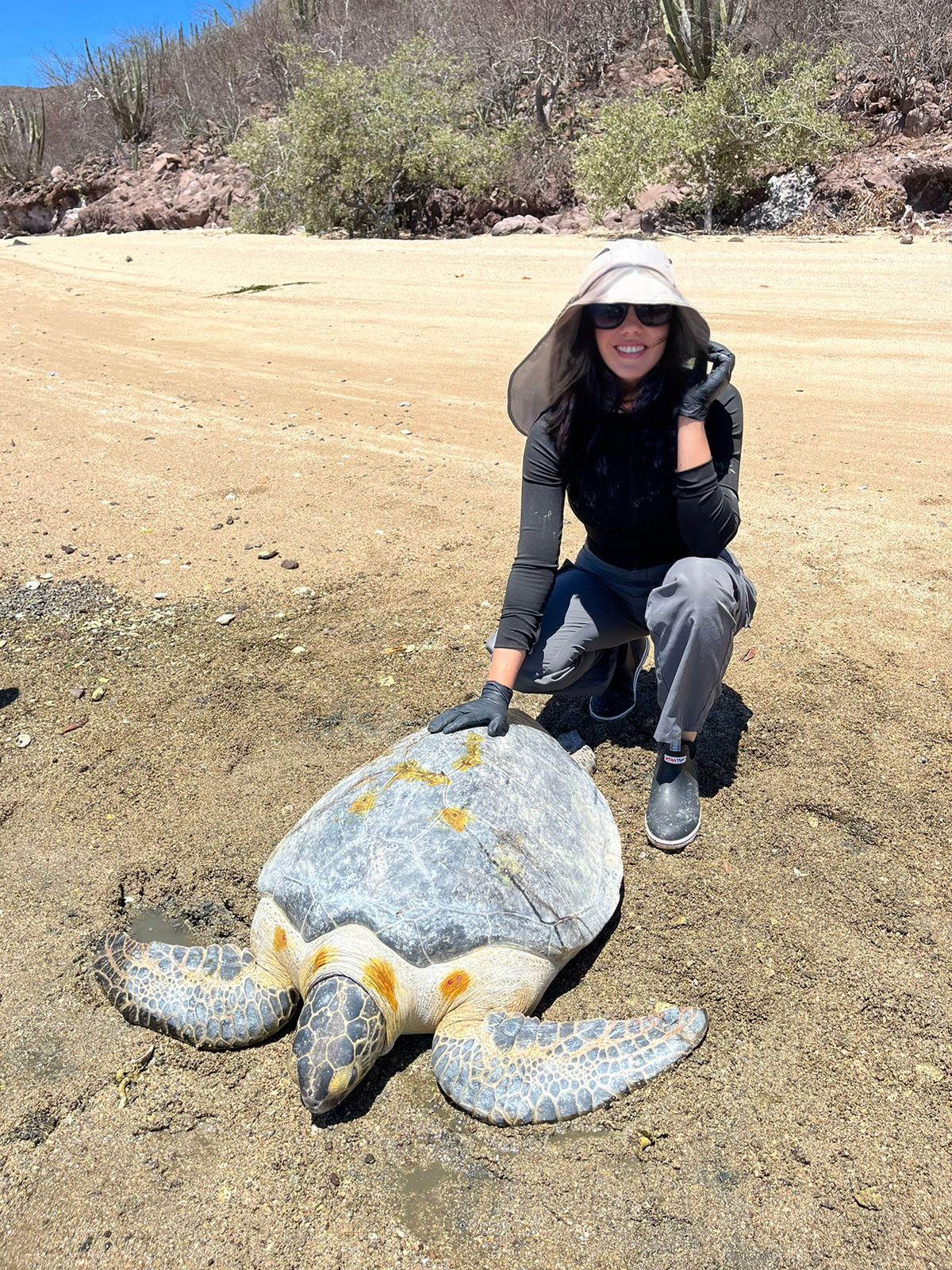
Growing up in Los Mochis, Mexico, a city about 20 minutes from the port of Topolobampo and roughly 30 minutes from El Maviri Beach, the sea was close enough to shape my sense of place. Family trips to the beach, visits to the port, and the visible connection between the city and the fishing economy gradually sparked my curiosity about marine life. I became especially interested in birds, aquatic turtles, and coastal ecosystems, and over time, that curiosity grew into a sense of responsibility. This connection to the ocean inspired me to study biology so I could better understand how marine systems work and how they can be protected, ultimately guiding me toward a career in science and conservation with coastal communities.
Through the Ocean Leaders Program, a community-based initiative I designed and implemented in Ohuira with support from the Marine Conservation Action Fund (MCAF), I developed a project centered on local engagement in this small coastal community in northern Sinaloa, in Ohuira. It is small coastal community in north Sinaloa where lagoons, mangroves, and nearshore waters sustain local livelihoods, culture, and biodiversity. Ohuira is a quiet but vibrant place: migratory birds crossing the estuaries at dawn, fishing nets laid out along the shore, and families whose lives are deeply intertwined with the sea. It is also an important region for East Pacific green sea turtles, a species I have studied for over a decade. With this project, my goal was to bridge rigorous marine science with local knowledge, recognizing that meaningful conservation can only happen when communities are active partners rather than passive recipients of external initiatives.
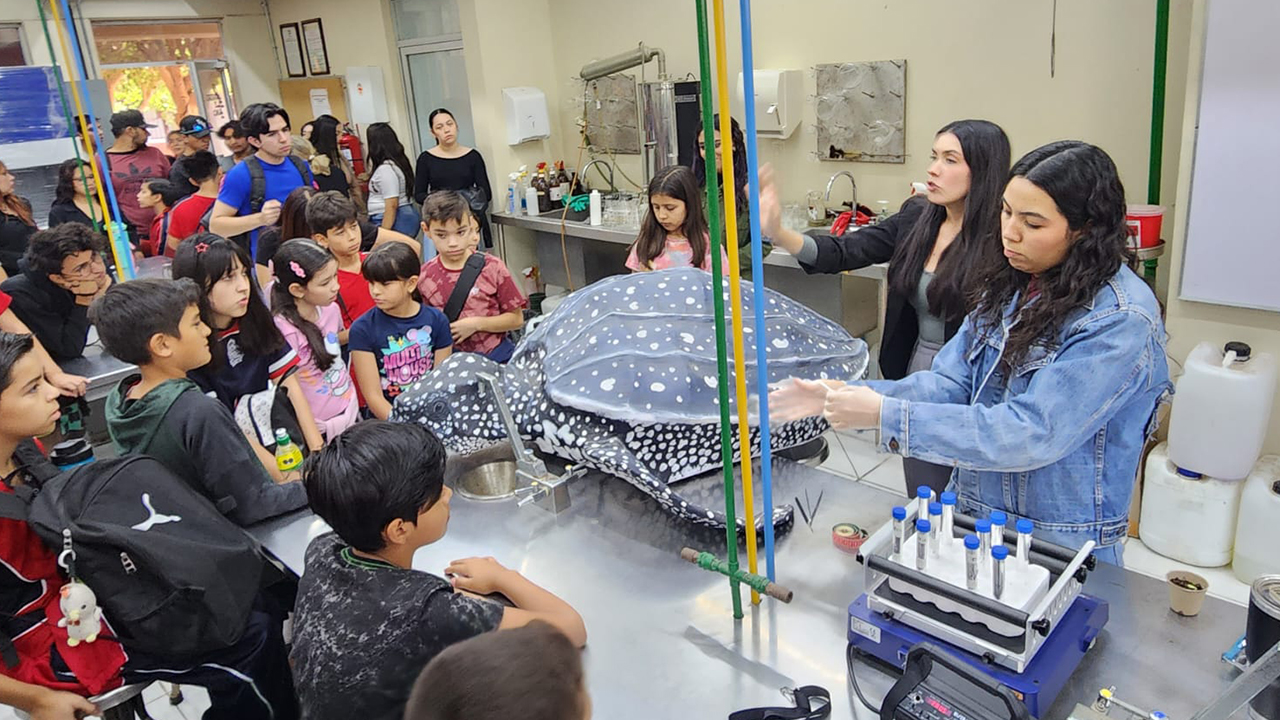
One of the project’s greatest highlights was working with local youth through a hands-on Ocean Science Camp. Over two days, we explored topics such as ocean currents, biodiversity, pollution, and the ecological role of sea turtles. Rather than traditional lectures, we learned through field measurements, group discussions, and real-world problem-solving in their own environments. Watching their curiosity grow and seeing them begin to imagine themselves as future ocean stewards was one of the most rewarding aspects of the project.
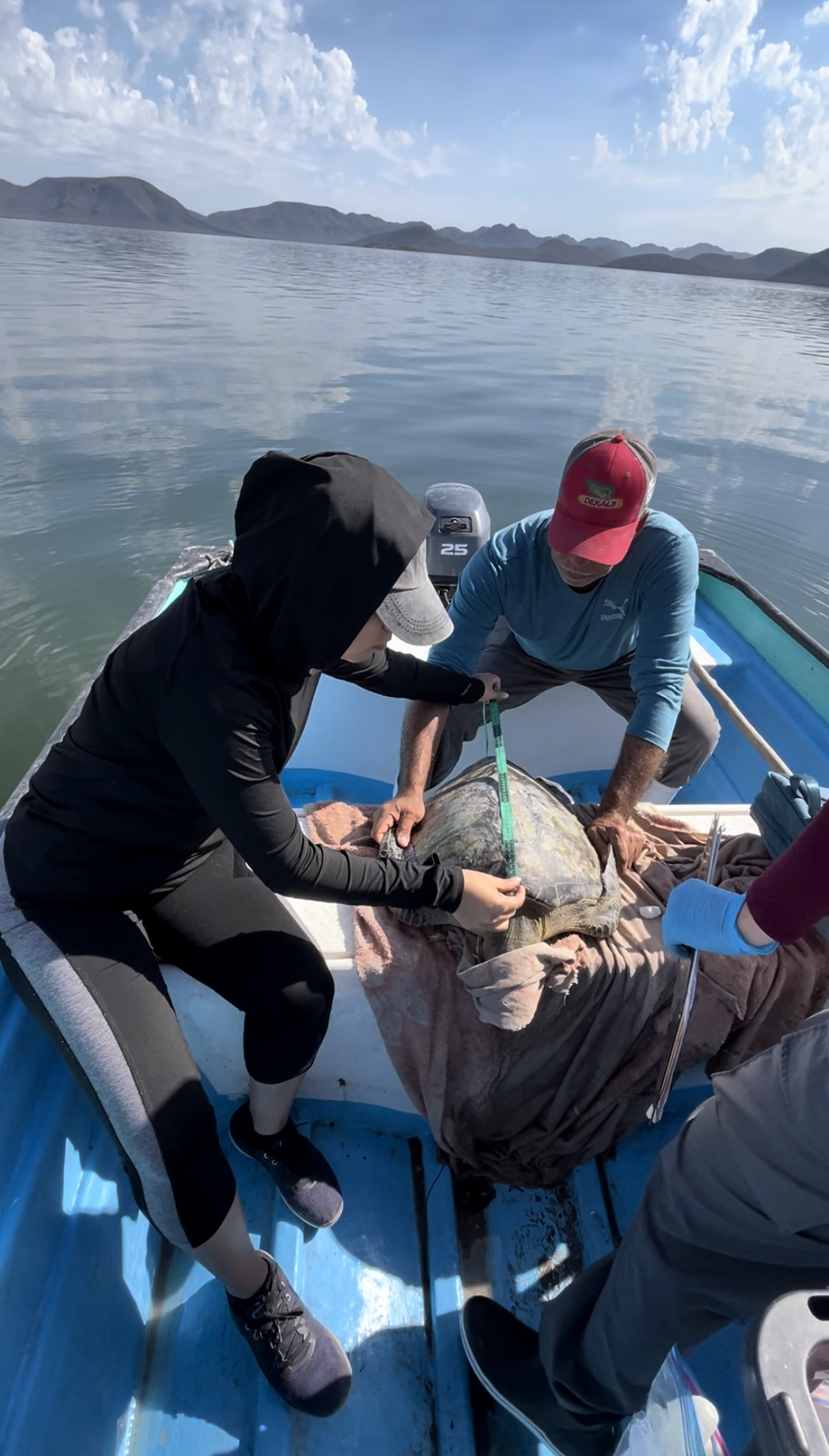
Another major success was strengthening collaboration with local fishers around marine wildlife monitoring and reducing accidental interactions with sea turtles. A particularly meaningful outcome was the inclusion of a new community member, José García Hernández, into our monitoring team. José, an experienced local fisher, brought invaluable practical knowledge about fishing grounds, seasonal patterns, and ocean behavior. His willingness to engage with scientific monitoring efforts symbolized a growing mutual trust between researchers and the community. His participation also helped build bridges with other fishers, demonstrating that conservation initiatives can align with, rather than conflict with, local livelihoods.
Beyond its work with the community, the project also became a learning space for young scientists. A group of undergraduate students became deeply involved in different parts of the initiative, bringing fresh energy, curiosity, and creativity to the field. Ana Audeves, Sofía Lozano, Olga García, Silvia Cota, and María Fernanda Castillo joined activities ranging from sea turtle monitoring in the lagoons to bioinformatics analysis and the co-design of the Ocean Science Camp with local youth.
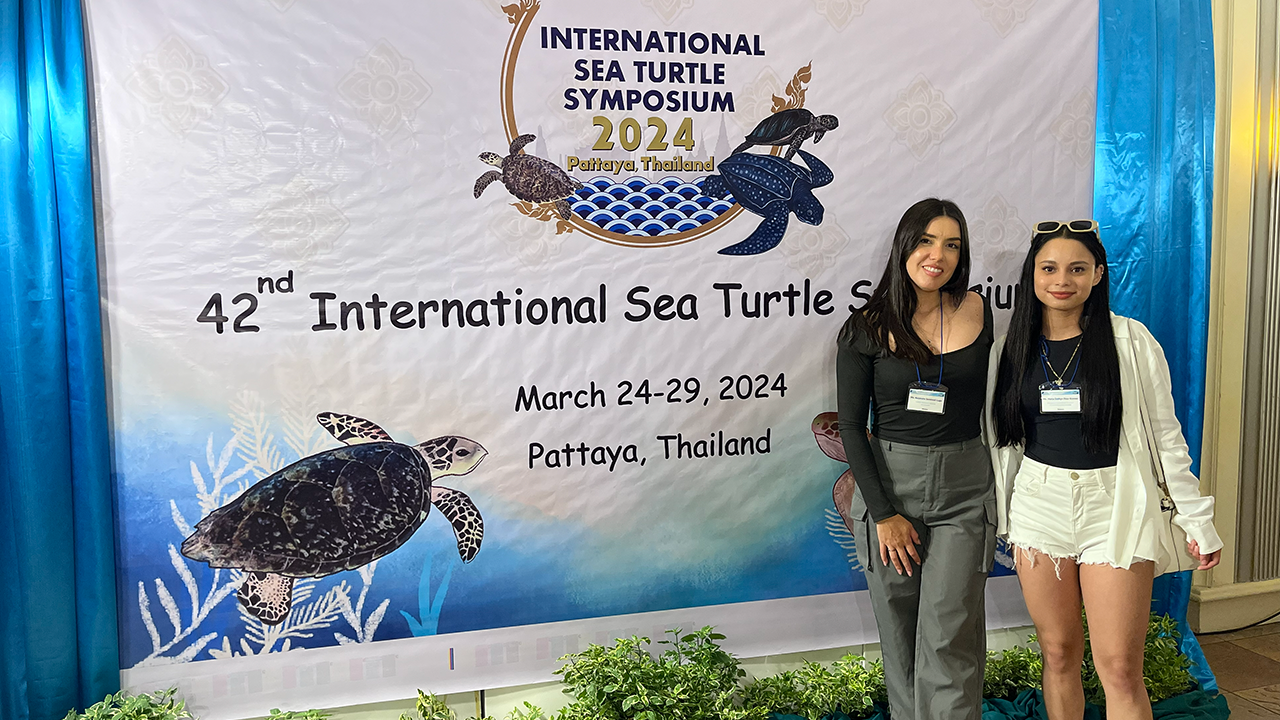
One particularly meaningful moment was seeing Marla Díaz Gámez represent our team at the 42nd International Sea Turtle Symposium in Pattaya, Thailand, supported by a travel grant from MCAF. For her, it was the first time presenting work on such a global stage. For our project, it was an opportunity to carry the story of Ohuira, its people, its wetlands, and its turtles into an international conservation platform. Watching these students grow as emerging marine conservationists reminded me that impact is not only about protecting ecosystems, but also about nurturing the next generation who will care for them.
Despite these successes, the project faced challenges. Coordinating activities in a fishing community required constant flexibility. Tides, weather, and fishing schedules often changed our plans, and some workshops had to be rescheduled or adapted on short notice.
One of the most important lessons I will carry forward is that conservation is fundamentally relational. Data and research are essential, but they do not create change on their own. Real transformation happens through dialogue, shared learning, and collective action. I also witnessed the power of youth leadership: when young people feel valued and empowered, they become catalysts for change within their own communities.
Another key takeaway was that environmental challenges cannot be separated from social realities. In places like Ohuira, protecting biodiversity is inseparable from supporting sustainable livelihoods, education, and community well-being. Conservation must be inclusive, culturally sensitive, and grounded in local contexts to be effective and just.
Looking back, I am deeply grateful for the Marine Conservation Action Fund for supporting the Ocean Leaders Program, and for the people of Ohuira who welcomed me into their lives and shared their knowledge.
The ocean connects us all, and caring for it means caring for the people who depend on it and have protected it for generations.
My hope is that initiatives like this continue to grow, inspiring new generations of ocean leaders who are passionate, informed, and committed to safeguarding our seas for the future.
Related Stories

Let's Take Action for the Ocean Together
With your support, we can further our work to ensure a vital and vibrant ocean for all.