On Wednesday, April 8, the Aquarium will be closed for an internal event. Normal operating hours will resume on Thursday, April 9.
How the BalanceBlue Lab Supports Gorton’s Seafood in Meeting Responsibility Targets for a "Trusted Catch”
As the number-one brand of frozen prepared seafood in the United States, Gorton’s sought to benchmark their environmental impact and identify opportunities for improvement, and turned to BalanceBlue Lab for help. Eighteen years later, the partnership is still going strong.
By New England Aquarium on Friday, February 27, 2026

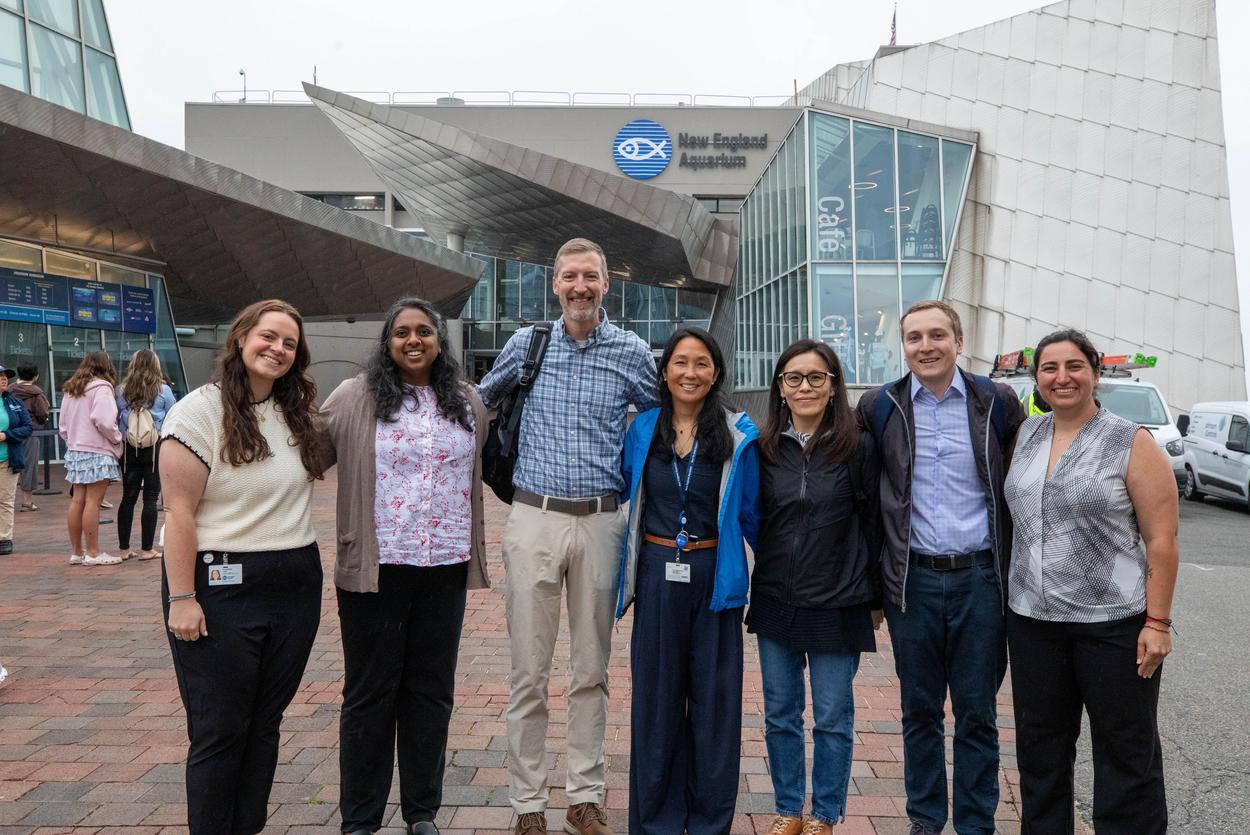
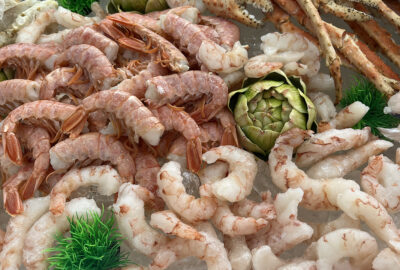
Gorton’s seafood may be a familiar sight on your local grocery store shelves, or perhaps even in your freezer at home. The company, which has been in business since 1849, is the number one brand of frozen prepared seafood in the United States, offering its products to retail stores and food service around the US.
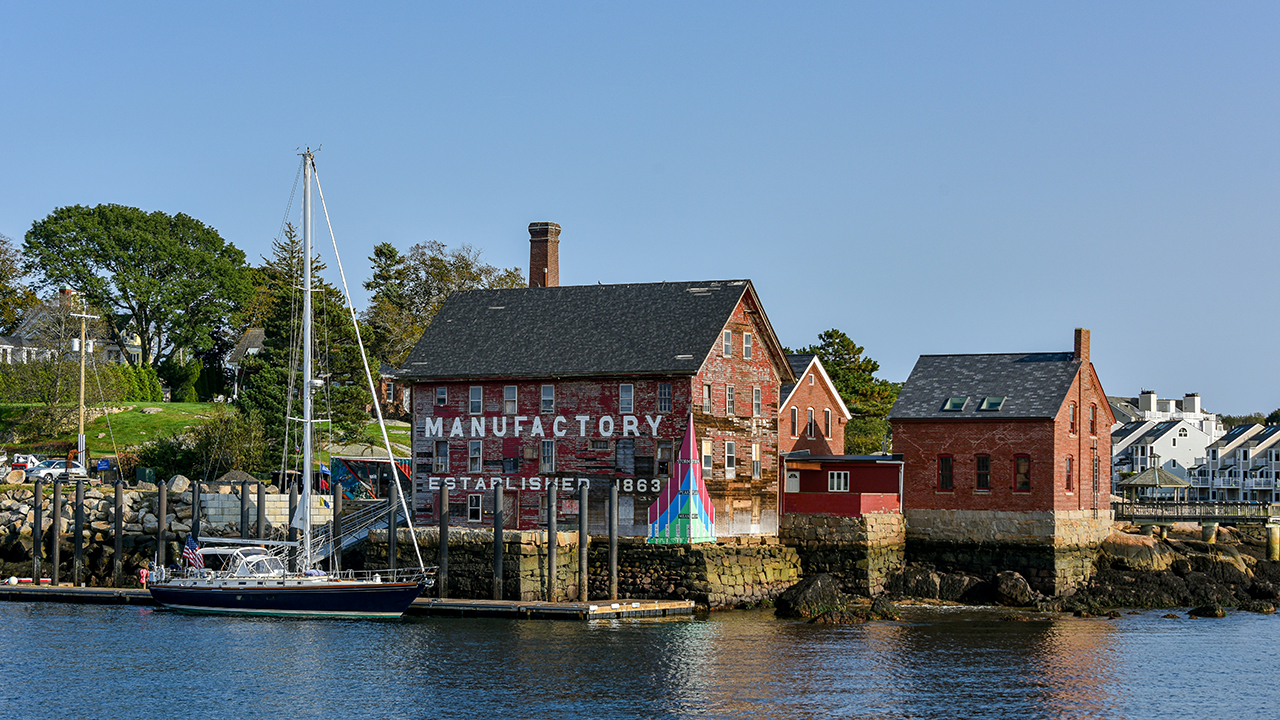
Back in 2008, as Gorton’s was evaluating the environmental impact of their operation, they turned to researchers at the New England Aquarium’s BalanceBlue Lab for advice. While it may not seem like an obvious collaboration—an aquarium teaming up with a seafood company—BalanceBlue Lab director Michelle Cho said it was a natural partnership, based on mutual interest in protecting and preserving the ocean. Gorton’s and the Aquarium also share a New England connection; the company was founded in Gloucester, MA, over 175 years ago, and still has headquarters there today.
The BalanceBlue Lab draws on the expertise of scientists at the Aquarium and works to implement and scale solutions that support industry and ocean health. For Gorton’s, that started with an environmental assessment of all their seafood products. A focus coming out of that was to increase the number of fisheries and farms in Gorton’s supply chain that were environmentally certified by a third party.
“We looked into everything they sell, and how their products are fished and farmed, and came up with a work plan for moving toward some of their sustainability goals,” said Michelle. Today, thanks to the partnership and BalanceBlue Lab’s expertise, over 99% of Gorton’s wild-caught seafood is certified by the Marine Stewardship Council, and 100% of their aquacultured seafood is four-star certified by Best Aquaculture Practices.
“That was an extremely important milestone, but we knew our work together was far from finished. Sustainability is about continuous improvement, and our partnership with the BalanceBlue Lab helps us stay on the forefront of emerging issues and solutions.” said Lisa Webb, Gorton’s vice president of operations. Now, BalanceBlue Lab continues to work closely with Gorton’s to maintain their high standards and pursue other goals to further improve the environmental responsibility of their products—including reducing bycatch and plastic waste in fisheries.
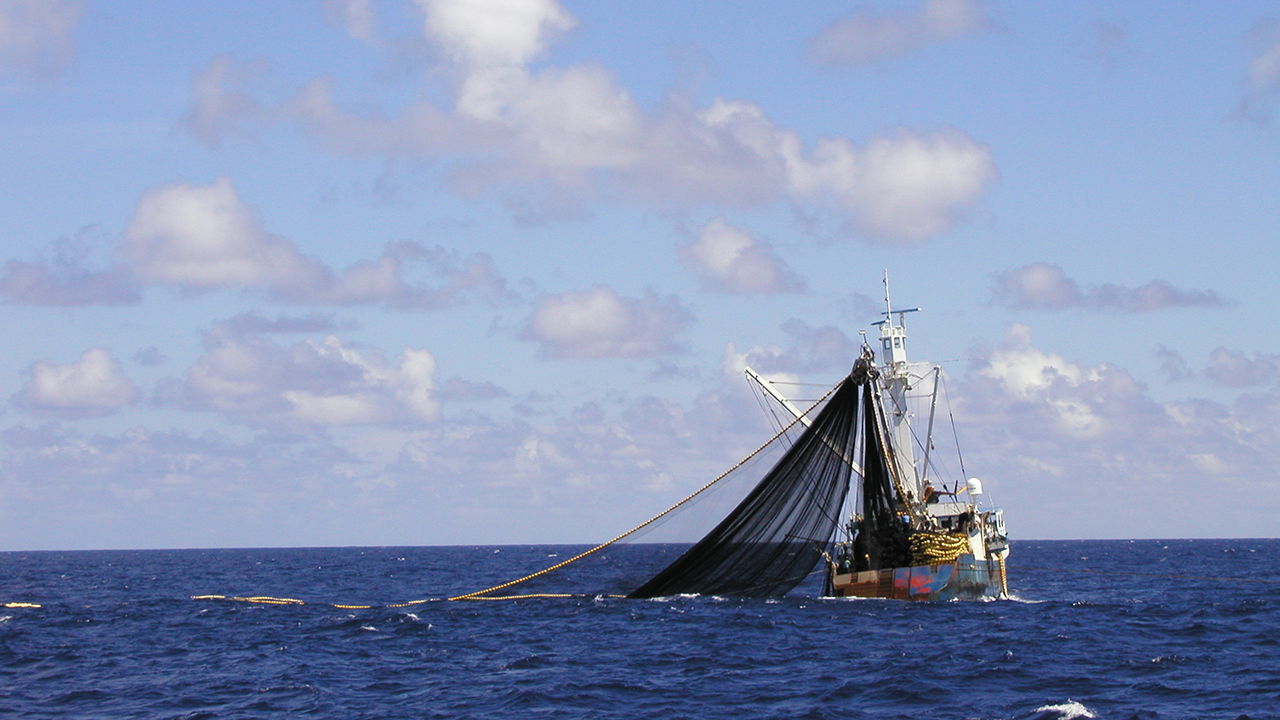
“From a percentages perspective, some of the impacts may look small,” said Lena Weiss, a program manager in the BalanceBlue Lab whose focus is on wild-capture fisheries. “But even less than 1% bycatch in a huge fishery—that amount can still have negative impacts, especially if impacted species are endangered or protected.” Lena and team provide Gorton’s with the insights they need to evaluate bycatch reduction strategies, as well as help navigate the often-tricky balance between ocean industry and conservation.
“Because Gorton’s is such a major buyer, we have a lot of ability to help or make positive change,” Lena added. “It’s about striking the balance between our goals and the realities in these fisheries.”
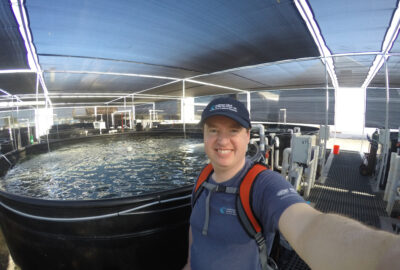
BalanceBlue Lab members, including Aquaculture Programs Manager Matt Thompson, have also traveled on site visits to aquaculture facilities alongside the Gorton’s team for a hands-on look at their farmed products. There, Matt has helped identify best practices that Gorton’s representatives can look for or ask about when evaluating suppliers.
Over what is now a nearly 20-year-long partnership, Gorton’s and the BalanceBlue Lab have aided numerous fisheries and farms in adopting environmentally responsible practices that go beyond environmental certification. These efforts can drive improvements across the industry—and help support fisheries and farms that are adaptable in the face of new challenges.
In the next phase of their collaboration, Gorton’s and the BalanceBlue Lab plan to explore how to maintain stable supplies of seafood as climate change affects the distribution of species, as well as fishing conditions in many places across the globe.
“At Gorton’s, we feel a tremendous responsibility to be good stewards of the seafood resources entrusted to us,” Lisa added. “Our partnership with the BalanceBlue Lab allows us to make informed decisions that support our mission of spreading the goodness of the sea for generations to come.”

Related Stories

Help Protect the Blue Planet
Learn more about the Aquarium's work to protect the blue planet and how you can get involved with us.