Sharks International 2026: Reflections from the Marine Conservation Action Fund Community
Sharks International took place in Colombo, Sri Lanka, in May 2026, marking the first time the conference was held in Asia. Hear from Marine Conservation Action Fund (MCAF) project leaders and fellows as they reflect on their experiences and share key takeaways from the conference.
By New England Aquarium on Friday, June 26, 2026

The Marine Conservation Action Fund (MCAF) supports local conservation leaders across the globe who work with local communities to advance lasting solutions for ocean conservation. Supporting conference travel is one way MCAF supports fellows and project leaders, creating opportunities for knowledge exchange, relationship building, professional development, and greater visibility for their work on the global stage.
MCAF was honored to be a sponsor of Sharks International (SI) through a multi-year grant that supported MCAF Fellow Daniel Fernando and the Blue Resources Trust team’s efforts to plan an accessible, high-quality conference experience, including subsidizing registration fees and expanding opportunities for student participation.
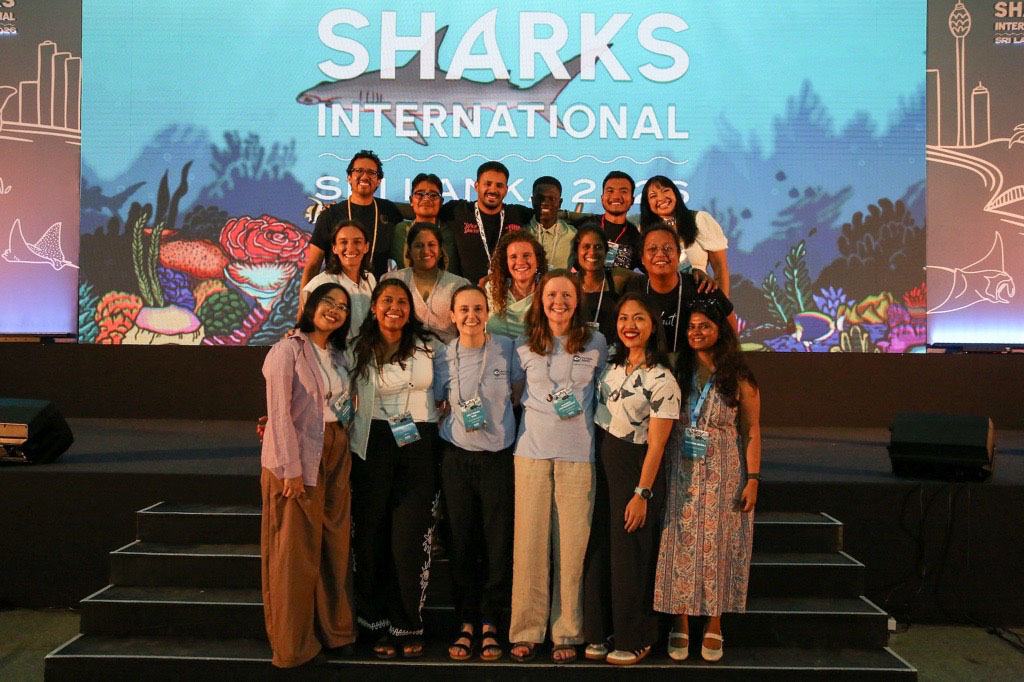
In addition to helping to support the conference, MCAF hosted a small convening that brought fellows and project leaders together to celebrate the MCAF community, strengthen relationships, and foster learning exchange. MCAF also participated in a panel discussion alongside other funders to share funding opportunities, lessons learned, and best practices for supporting locally led shark and ray conservation.
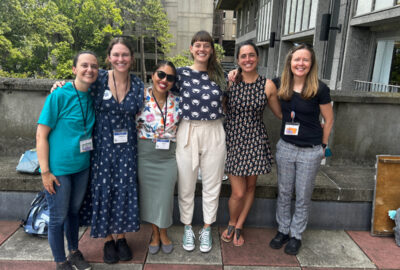
Throughout the conference, MCAF project leaders and fellows shared their expertise, built new connections, and exchanged knowledge with colleagues from around the world. We invited Daniel Fernando, as host of the conference, and those who attended to reflect on their experiences and share some of their key takeaways. See their responses below!
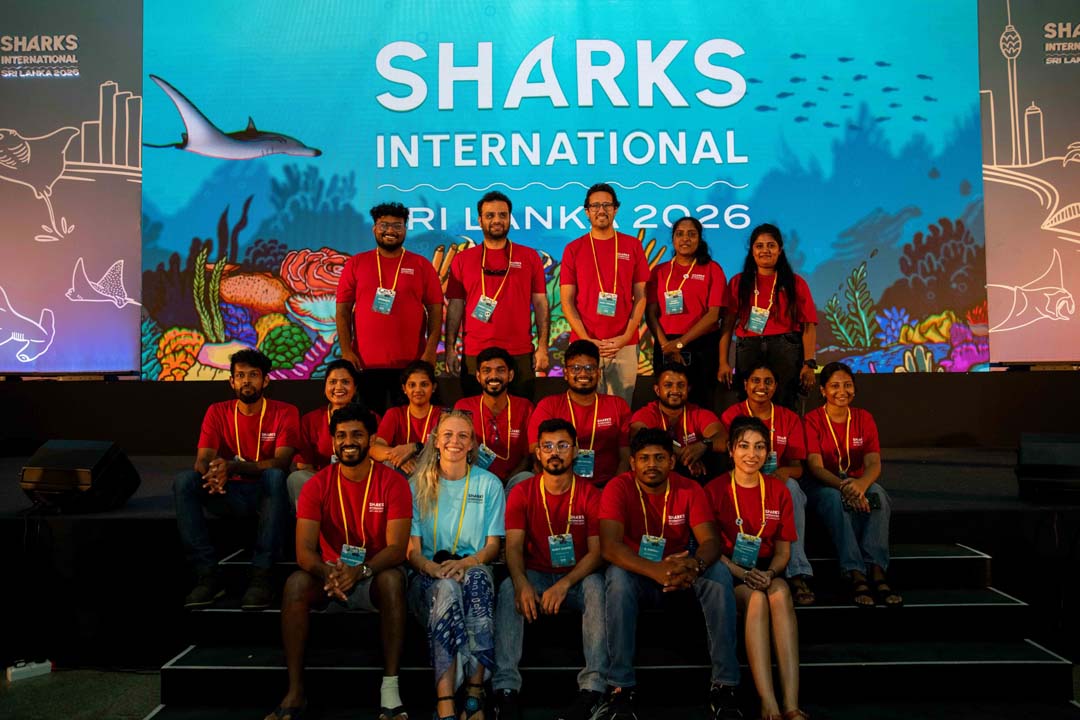
Daniel Fernando, Blue Resources Trust
As host of the conference what is something you hope participants took home from the experience?
I hope participants leave with an understanding of the critical state that most sharks and rays face globally. While there are encouraging signs of progress and reasons for optimism, the reality is that the overall trajectory for most species has changed very little over the past few decades. We need to acknowledge that and be willing to rethink our approaches. At the same time, I hope the connections, collaborations, and networks formed during the conference help drive new ideas, stronger global partnerships, and ultimately more effective conservation action for sharks, rays, and chimaeras.
(I also hope the conference giveaways bags were taken back!).
Is there anything from this conference that you hope will be modeled, adopted, or adapted by other international conferences?
We would love to see our more inclusive abstract review system (selections based on normalized scoring) adopted by others. Gatekeeping is clearly an issue at many conferences, with opportunities for speakers from the global south, particularly early-career researchers and those who are not yet “recognized,” being very limited. If we are serious about improving outcomes for sharks and rays, we need to be willing to listen to new voices and perspectives, especially when they originate from participants of countries at the forefront of these conservation challenges.
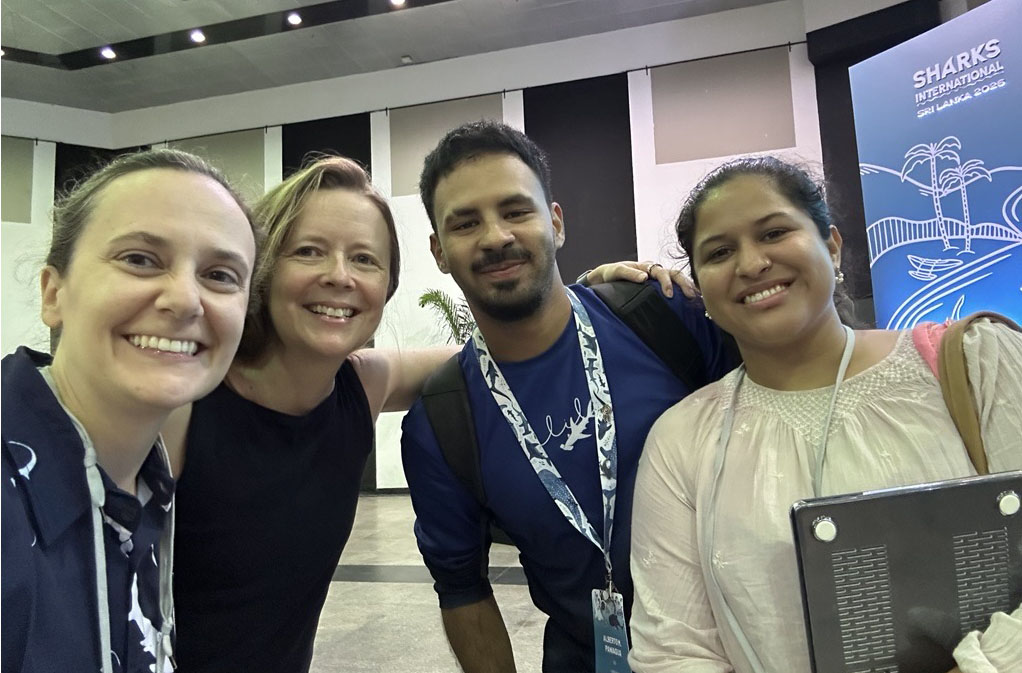
Alpha Sevilla, Ilili
When I entered the world of sharks and rays, one of my biggest challenges was figuring out how to bring all my passions together. This became particularly difficult because one of those passions deals with questions that are often considered subjective, and I struggled to understand how it could contribute to tangible conservation outcomes. Sharks International was a space that gave me that small glimpse of clarity. And it made me realize the level of holism that can exist even when it seems nonexistent. Talking about sharks and rays can also be existential; it involves understanding the being and its surroundings, including the communities that coexist with it and shape its reality. And it is from that perspective that conservation approaches can be more effective in practice.
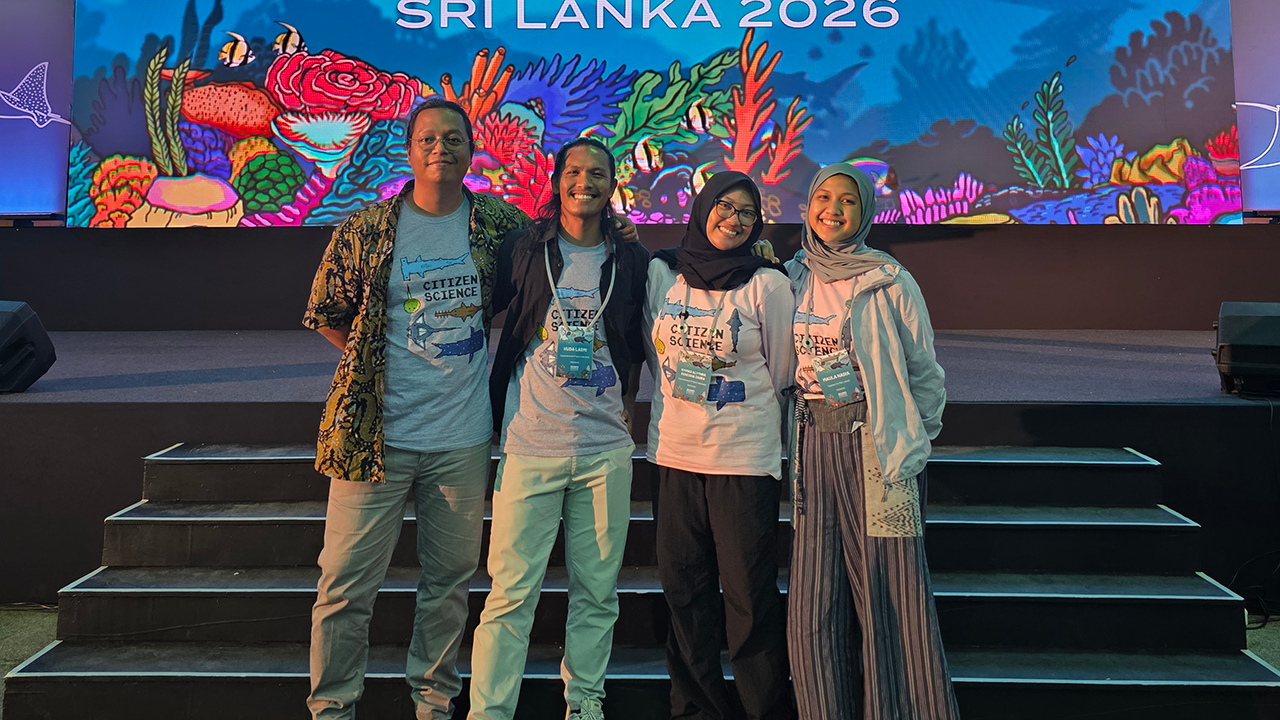
Faqih Akbar Alghozali, Elasmobranch Project Indonesia
Sharks International 2026 in Sri Lanka was an enriching experience and opened up a lot of opportunities for our team, Elasmobranch Project Indonesia (EPI). On a personal level, one of the basic achievements for me was to put names to faces, as I have been engaging a lot of the “shark and ray people” virtually for the past five years and have not met most of them in person. This includes some of the Indonesians. Subsequently, four of five EPI’s staff went and presented (regular talk/posters), which was a proud moment as the project leader for EPI. This was very meaningful to me, as I was able to provide them with the experience and growth process they need, as fellow early careers. Ultimately, the conference was made to feel “home” for some early-careers, including myself. I was not feeling out of place nor unwelcome. It felt like a place for everyone to share and learn, regardless of one’s experience and expertise.
Apart from the learnings from talks and posters by the amazing scientists and practitioners, my primary goal during the conference was to create and establish networks with fellow early-careers, scientists, practitioners, and funders. In this regard, the most notable lists I checked were collaboration and funder parts. Talks were made on two of the most prominent collaborations: 1) putting the Indonesian scientists and practitioners in a consortium using Baited Remote Underwater Videos (BRUV) as the initial tool to create a larger force to spread impact on elasmobranch conservation projects across Indonesia and to cover more regions within, and 2) bringing learnings, hands-on practice, and follow up projects between Indonesians and Malaysians on ecological approaches for elasmobranch conservation (the use of tags and genetics). These two points were also put into motion, with talks with donors being made during the conference, and plans were put into emails and WhatsApp groups to keep the progress going.
Sharks International showed that we are not alone working in this tough conservation field. It also highlighted that there are others pushing for positive impacts for elasmobranchs in many corners of the world, and that they are willing to help one another. Going home from Sri Lanka, it drives me to keep pushing for the work that we are doing, despite the challenges and hurdles, and the positive lessons learned will further drive us to achieve the conservation impacts we are aiming for.
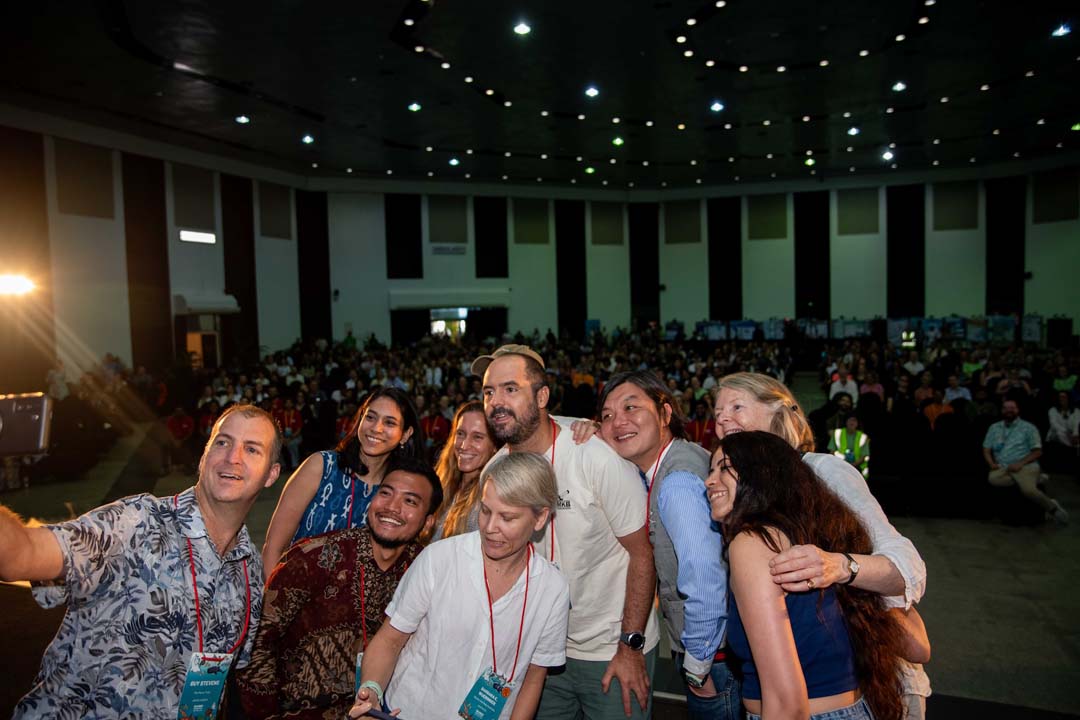
Rafid Shidqi, Thresher Shark Indonesia
What inspired me most was the diversity of people and the presence of the younger generation in shark science and conservation. I met several middle school students (~12-14 years old!!) from Sri Lanka and the US who have made remarkable scientific discoveries and applications and are very eager to learn about sharks and conservation. In addition, I connected with more senior scientists from around the world who are open to collaborating and willing to share their knowledge and experience with younger generations. I find that such an environment gives me a lot of optimism for the continuity of knowledge and a positive outlook for the future of sharks and rays. I used to feel that shark science and conservation were so exclusive, and Shark International in Sri Lanka has clearly opened so many pathways for inclusivity and proven that everyone who cares about sharks can be involved and make a difference, regardless of their background!
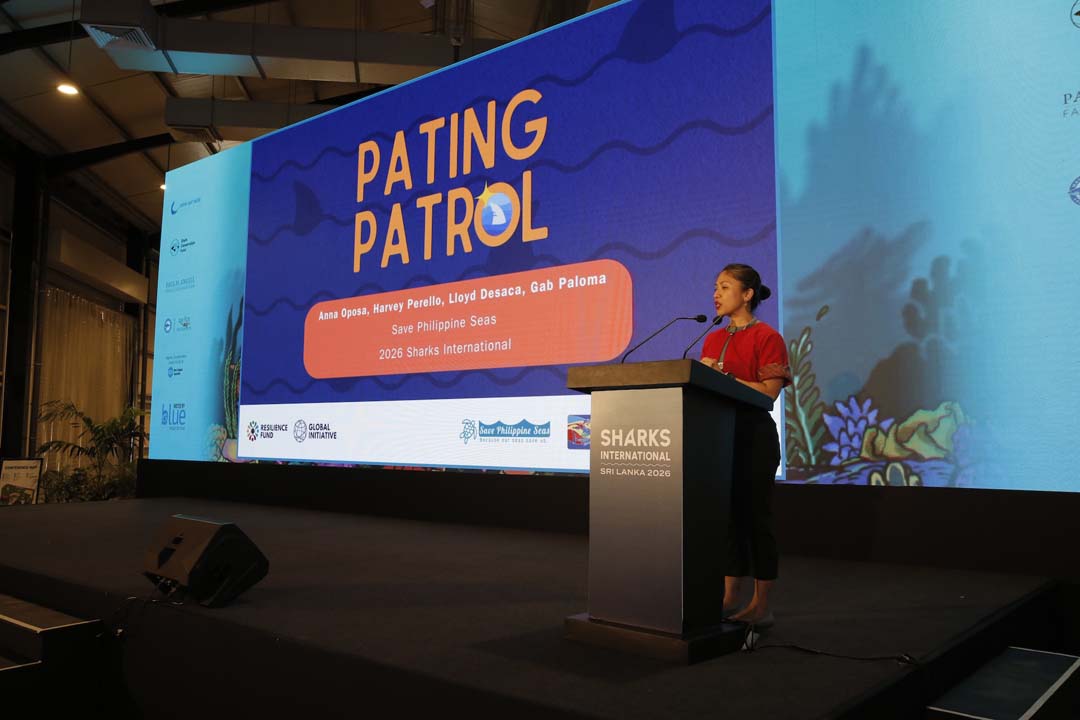
Anna Oposa, Save Philippine Seas
What inspired me the most was the diversity of people who attended – there were marine scientists, social scientists, policy advocates, artists, photographers, and many others. It affirms the interdisciplinary nature of shark conservation, and how we need people from ALL backgrounds to be part of this movement. It was also inspiring to see so many Asians in the audience. Previously, Sharks International was held in parts of the world that are expensive for many of us, and in countries that would require difficult-to-obtain visas.
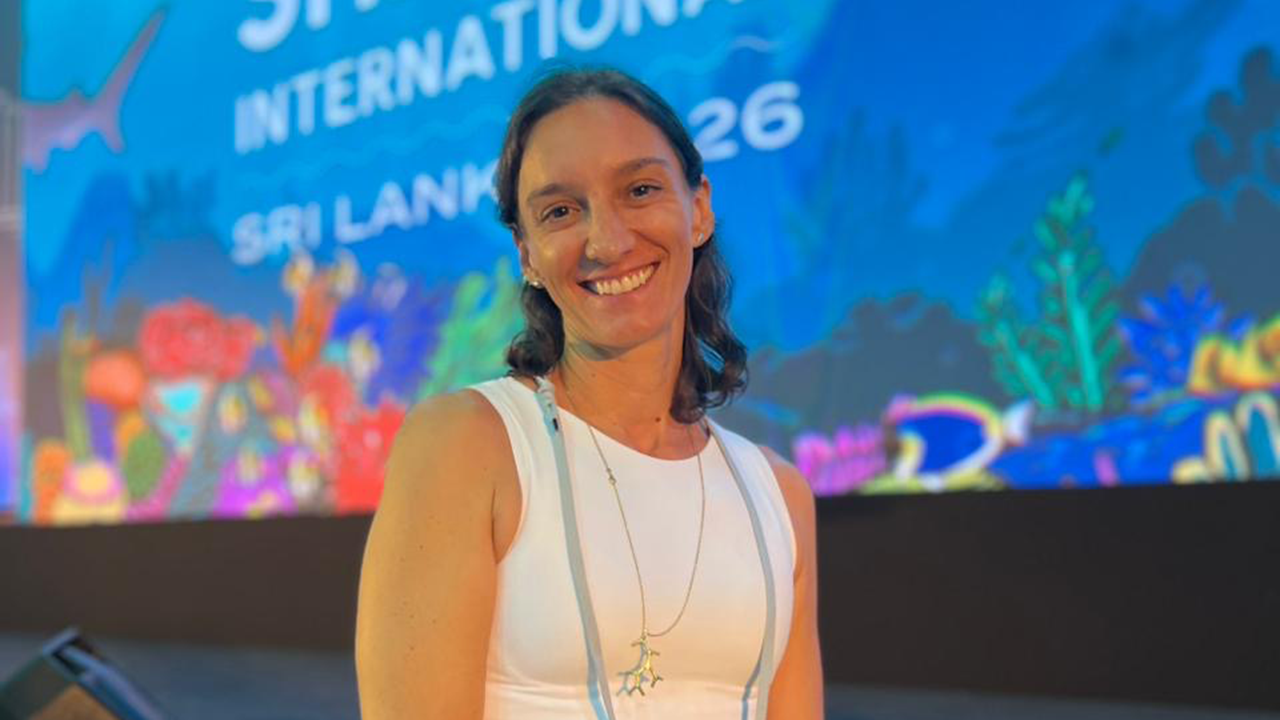
Ilena Zanella, Misión Tiburón
I really enjoyed the conference’s holistic approach—it felt very different from previous ones I’ve attended. Science provides the foundation for effective management of threatened species, but people must embrace those actions for them to succeed. Research needs to move beyond academic papers and actively engage community stakeholders. I was also thrilled to see many young conservationists presenting innovative ideas and fresh visions for how to do conservation.
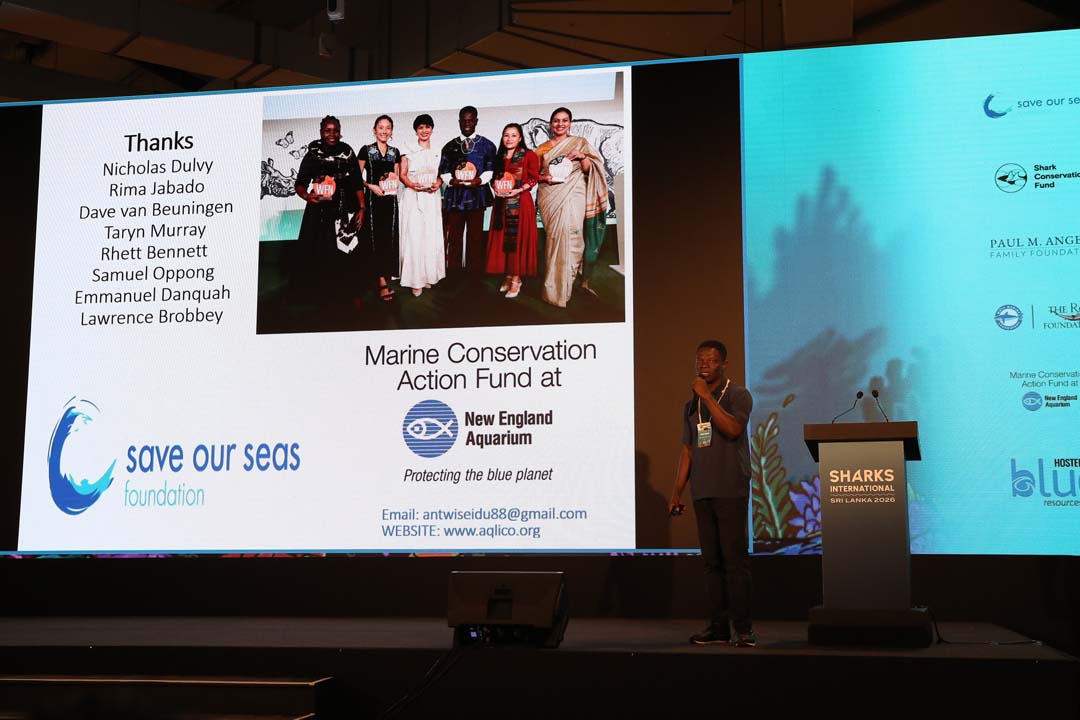
Issah Seidu, Aqualife Conservancy
What stood out most as inspiring for me was the dedicated symposium on Rhino rays or guitarfish, wedgefish, and sawfishes. My work focuses heavily on guitarfish, which are often underrepresented in conservation compared to sharks. At the conference, I was inspired that global researchers were increasingly highlighting rays and guitarfish in discussions on extinction risk, fisheries trade, and conservation urgency. This reinforced that the species are now part of the global agenda.
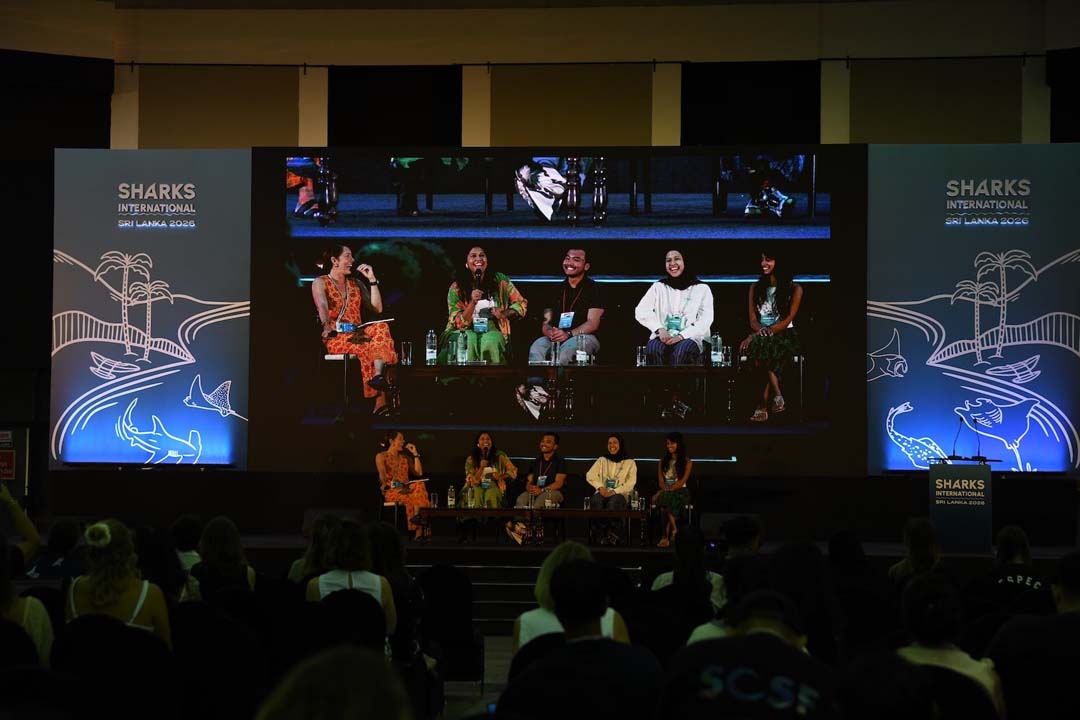
Gaby Ochoa, Ilili
It’s crazy to think this was my third Sharks International; three conferences ago I was a young researcher starting this amazing journey. Flash forward to Sri Lanka, I find it amazing that we attended as a team, ilili was able to participate and share all our knowledge and learn from so many inspiring talks. This conference was unique as it positioned communities and fishers at the center and was clear in the message that multi stakeholder collaboration is the only way to move forward to reverse the decline of these species we all hold dear to our hearts. I was inspired by all the MCAF fellows and community, it was as if I have always known them.
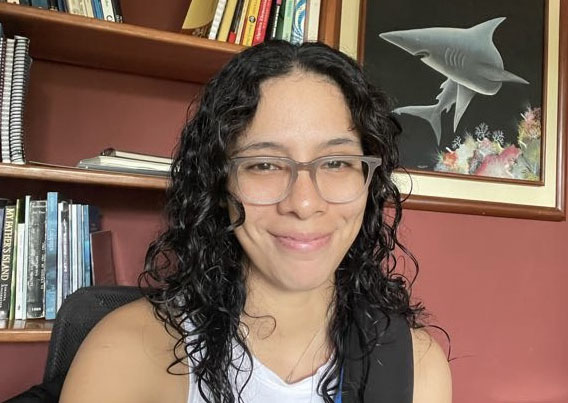
Mara Espinoza, El Colegio de la Frontera Sur (ECOSUR)
For me, sharing an entire week with participants from different parts of the world, but with the same goal of helping in the conservation of chondrichthyan populations, was very rewarding. Even though we come from different regions, many of us face similar problems, and it was very valuable to learn how others are taking action and developing new technologies to study this group of animals. In my case, it was especially inspiring to see that many scientists recognize the importance of holistic research, where the social component plays a fundamental role. Several talks emphasized the importance of working with fishers and moving away from the idea that artisanal fishers are simply “the bad people,” since each place has its own socioeconomic context. Instead, many current projects are recognizing fishers as important allies in conservation. I really appreciated this approach because, without integrating the social component, we cannot generate real and lasting changes as scientists.
Finally, I loved listening to projects based on global collaboration. These initiatives are very important because marine animals do not recognize political borders. Therefore, to better understand and conserve these species, we need collaborative studies that connect people, data, and experiences from different parts of the world. The conference was an ideal place to connect with other people who have similar projects and to continue following this type of research.
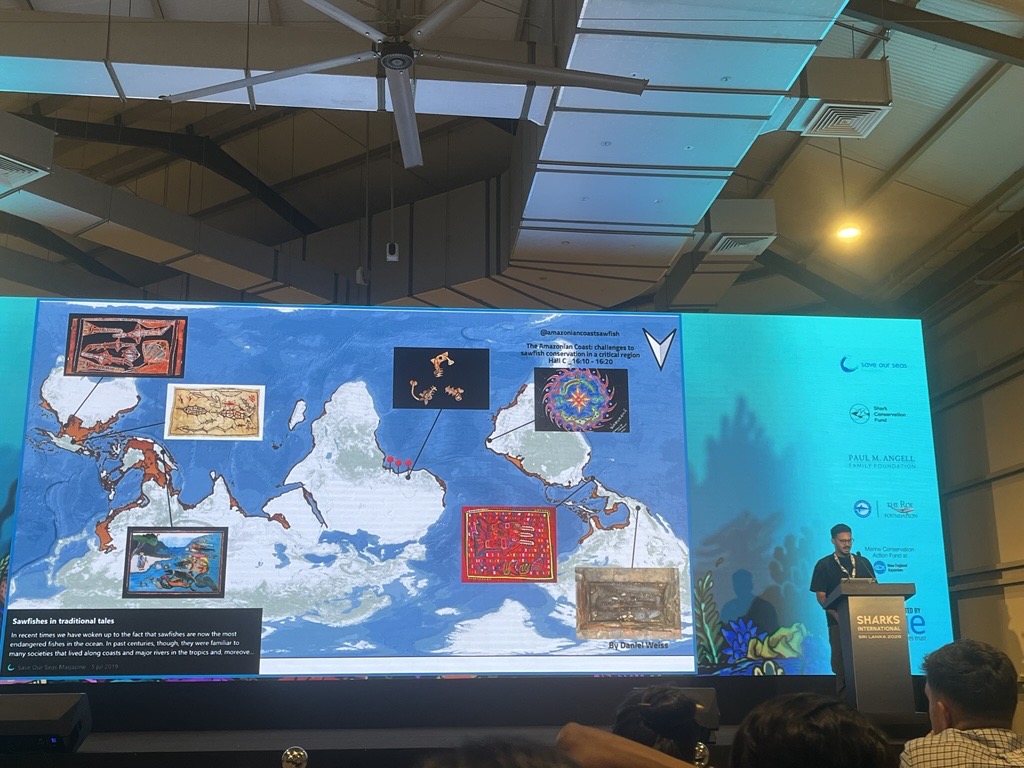
Alberto Paniagua, Ilili
What inspired me most about Sharks International was the people. After years of reading papers, exchanging emails and messages, or meeting through video calls, it was incredible to finally meet in person many of the people whose work I have followed and admired for so long; reconnecting with friends and colleagues also made the conference feel very familiar and welcoming.
I also really enjoyed seeing topics that went beyond traditional biology. The talks that explored art, social dimensions, and scientific colonialism were especially interesting to me because they showed that shark and ray conservation is not only about data, but also about people, cultures, and different ways of understanding and relating to nature.
And I greatly appreciated how open funding organizations were to speaking directly with early-career researchers. Being able to ask questions, receive feedback, and learn how to strengthen future proposals was one of the most valuable experiences I took away from the conference.
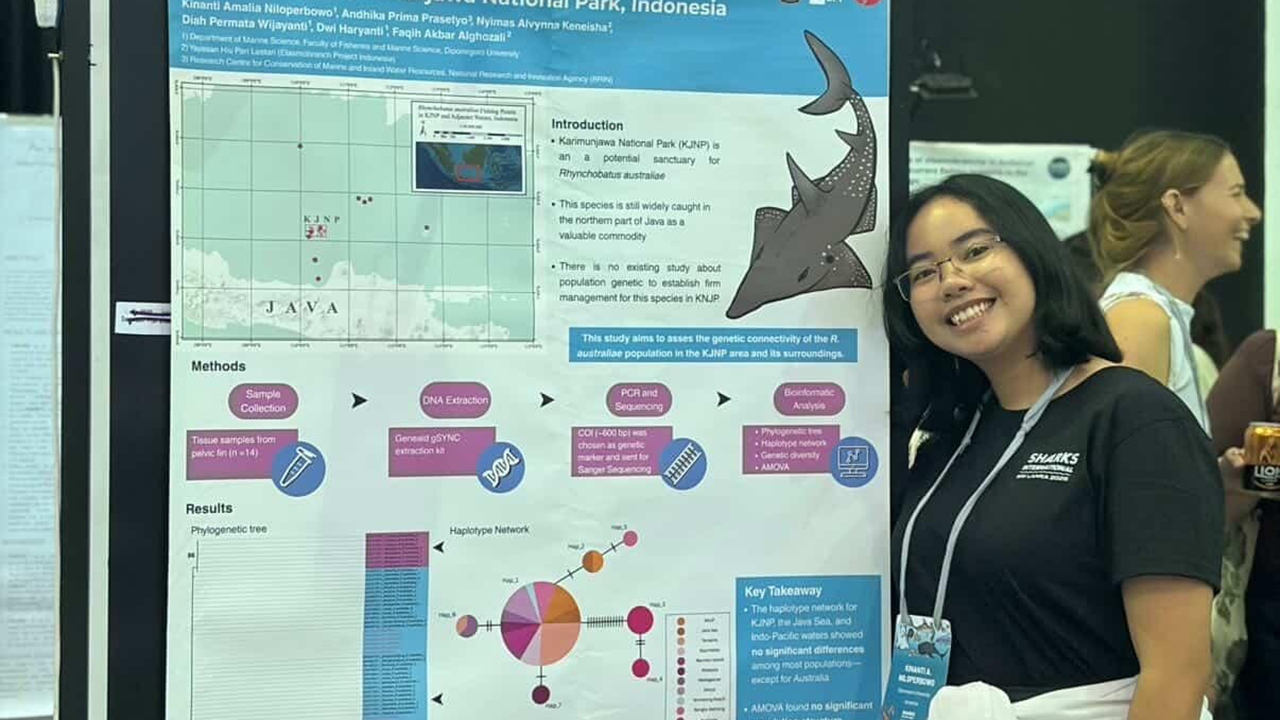
Kinanti A. Niloperbowo, Diponegoro University
What was unique about the conference?
This was my first conference experience, so everything felt unique to me. From the decorations to the speakers, I couldn’t believe I was surrounded by people actively working in shark and ray conservation. I think the conference truly succeeded in creating a safe and welcoming space where everyone could share ideas and innovations to better understand the species we study.
What did you find to be the most rewarding part?
Before attending, I felt insecure about my research. But when I presented my poster, many people stopped by to ask about my work. I even exchanged business cards and received emails from people interested in my study. It reminded me that no matter how small your work may seem, there will always be someone who finds value in it. Sharing research can create connections and help others in unexpected ways. One of the most rewarding moments was when someone I deeply admire in the field offered to help me with data analysis, and we even discussed the possibility of writing a paper together. It still feels surreal to collaborate with someone I had previously only known through their publications.
What inspired you the most?
As someone who is just beginning their career in this field, I felt incredibly inspired and empowered by the MCAF fellows during our sharing session. It made me realize that I’m not alone in feeling small about my work or struggling with mental health and impostor syndrome. Many of the people I look up to and consider brilliant have experienced the same feelings. I’m very grateful that foundations like MCAF exist to create space and support for early-career researchers. After the sharing session, I walked home feeling lighter, finally convincing myself that I do belong here, and feeling excited about where this journey may lead me.
What is one key takeaway that you will apply in your work?
I tend to be very hard on myself over mistakes and failures, so during one of the panels I asked the speakers how they persist in this field despite setbacks. One of them answered with a simple phrase: “Don’t take it personally.” At first, it was difficult to accept, but those words stayed with me. Sometimes failure does not mean you are incapable or that your efforts were meaningless. It is simply part of the process. I learned not to let mistakes define me or stop me from trying again. There is always room to grow, improve, and take a second chance.
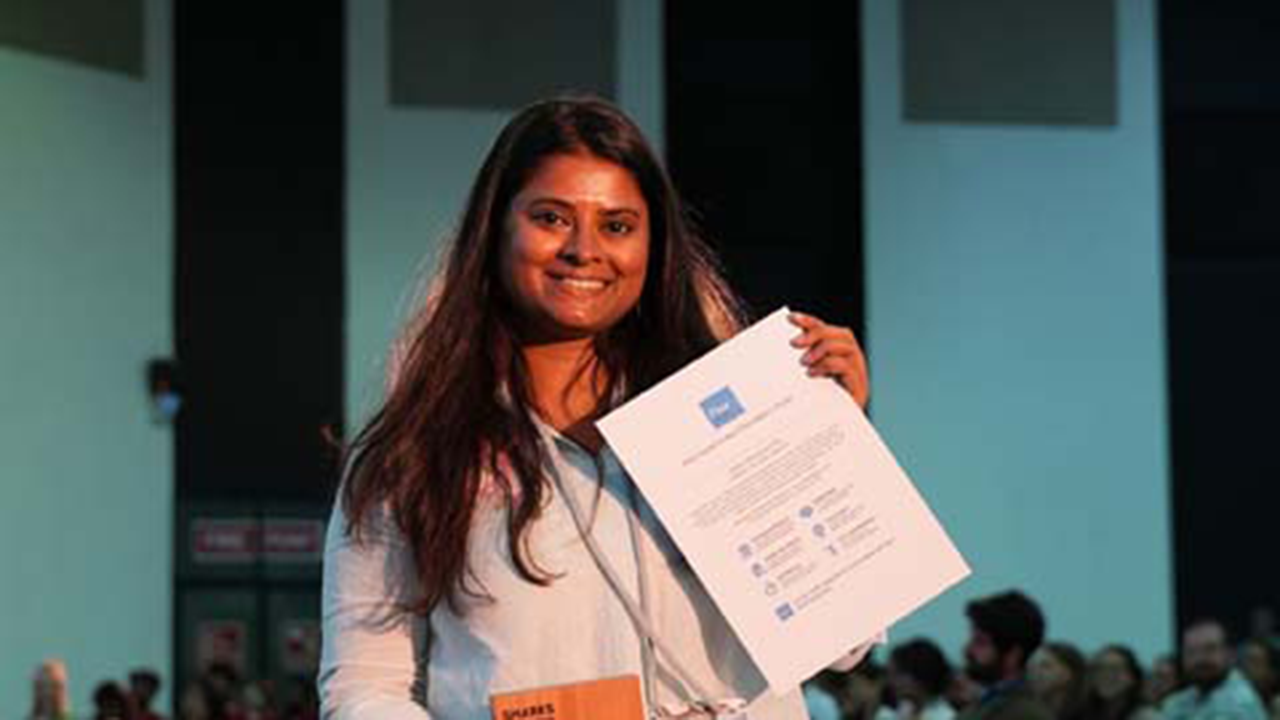
Meghana Binraj, Species and Spaces Foundation
What was the most rewarding part?
The most fintastic part of SI2026 was the chance to reflect on my own journey while reconnecting with friends, mentors, collaborators, funders, and peers from around the world. People who have shared their skills, knowledge, encouragement, and support over the years. Winning the Best Student Poster Award at SI2026 was a deeply special moment. It gave me a sense of belonging and reaffirmed that my work matters. More than a personal achievement, it felt like a reflection of everyone who had invested in my potential and helped shape me as a shark scientist and my work. I’m incredibly grateful for those opportunities and the people behind them.
What is one key takeaway that you will apply in your work?
I’ve never been particularly good at actively learning in information-dense conference settings. Instead, I tend to absorb things subconsciously and spend my time catching up with long-distance friends. But my mind is always working in the background, quietly taking notes on the gaps and asking what might be living within them.
Across sessions, I kept encountering familiar research directions, recurring themes, established frameworks, and well-trodden questions. That’s not a criticism. If anything, those patterns highlighted where the field’s collective attention hasn’t yet gone—especially when viewed through the lens of field-based experience. Which perspectives and voices are missing? What questions aren’t being asked? Where are genuinely new angles needed?
One of the most valuable things conferences do isn’t just tell us what we know. If we’re paying attention, they can reveal exactly where the blind spots are.
I’m also taking home something more personal: your research journey will not always follow a conventional path. It can feel lonely, especially when you’re working outside established networks or pursuing questions that don’t fit neatly into existing priorities. But meaningful work has a way of finding its audience. There will always be people who believe in what you’re doing. Finding those people and staying true to your questions, actions, and values, even when it’s difficult, matters just as much as any formal collaboration or recognition.
I now have a long list of pressing questions and a real appetite to dive straight into them. After all, I believe we can fix this fintastic mess.

Related Stories

Let's Take Action for the Ocean Together
With your support, we can further our work to ensure a vital and vibrant ocean for all.