Please note: The Atlantic harbor seals will temporarily be off exhibit while we improve their habitat for their comfort and well-being.
Winter Aerial Survey Sightings
The aerial survey team at our Anderson Cabot Center for Ocean Life has been busy, spotting more than 100 right whales in a six-week period.
By New England Aquarium on Thursday, March 19, 2026

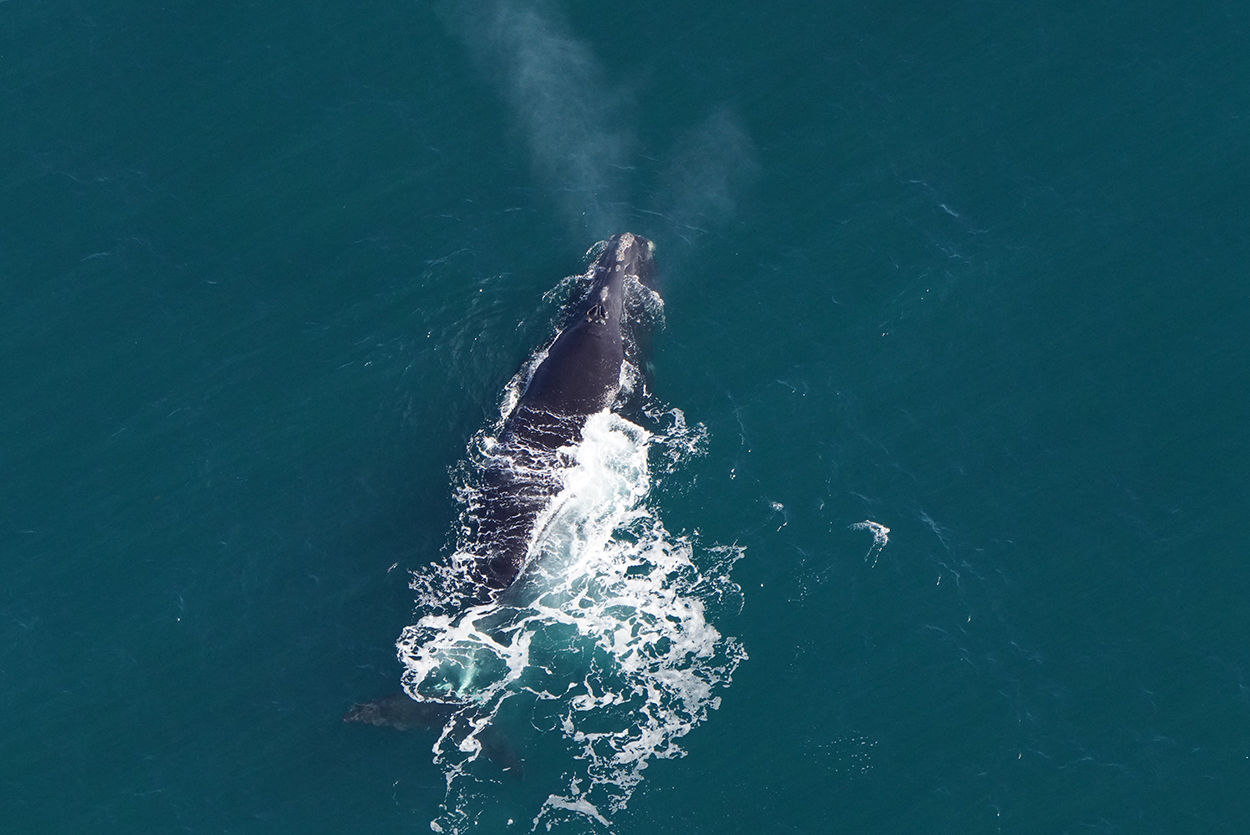
Between February 5 and March 18, the aerial survey team at our Anderson Cabot Center for Ocean Life flew six surveys south of Martha’s Vineyard and Nantucket. Collecting data on marine species in the area helps inform management and protections for animals in these busy waters, which include shipping lanes and wind energy areas.
During these flights, the team spotted more than 115 unique individual right whales—that’s over a quarter of the total population!
Check out photos and more insights from the surveys below.
70+ sightings in one day
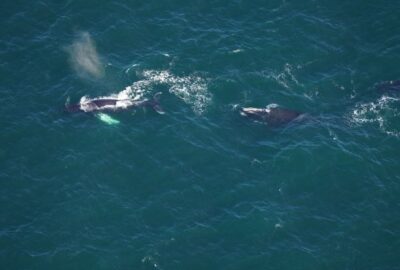
On March 2, the team spotted around 70 right whales near Nantucket Shoals, making it the highest number of individual right whales photographed by the Anderson Cabot team in a single day in that area since surveys began in 2011. Scientists noted that the whales appear to be feeding deep below the surface.
“Seeing this many right whales in one area has been incredibly exciting for our team and marks one of the busiest seasons we’ve ever had,” said Katherine McKenna, an associate scientist on the team. “Our recent surveys highlight Nantucket Shoals as an important habitat for a significant portion of the population.”
-
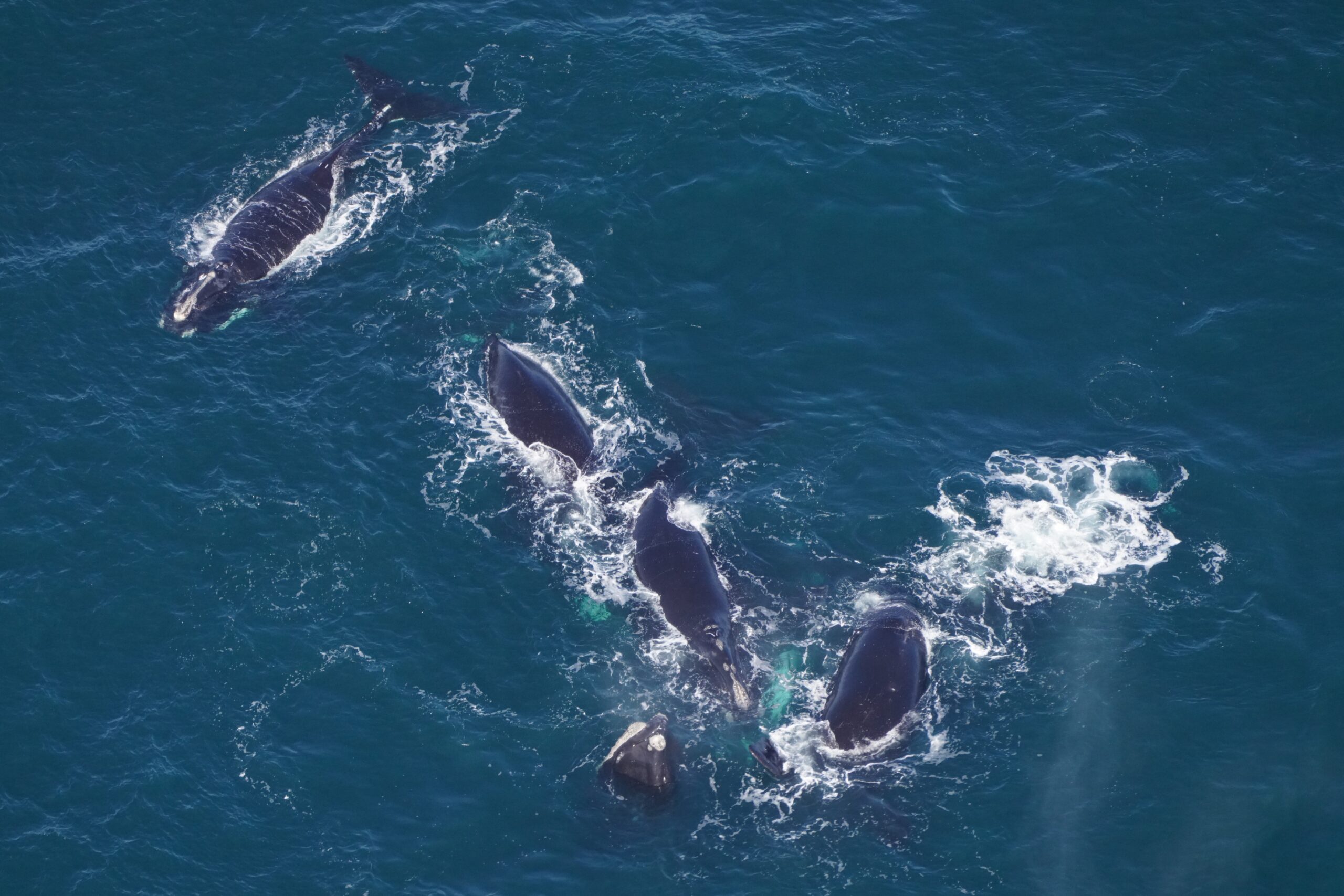
A surface-active group of right whales Photo: Anderson Cabot Center for Ocean Life aerial survey team -
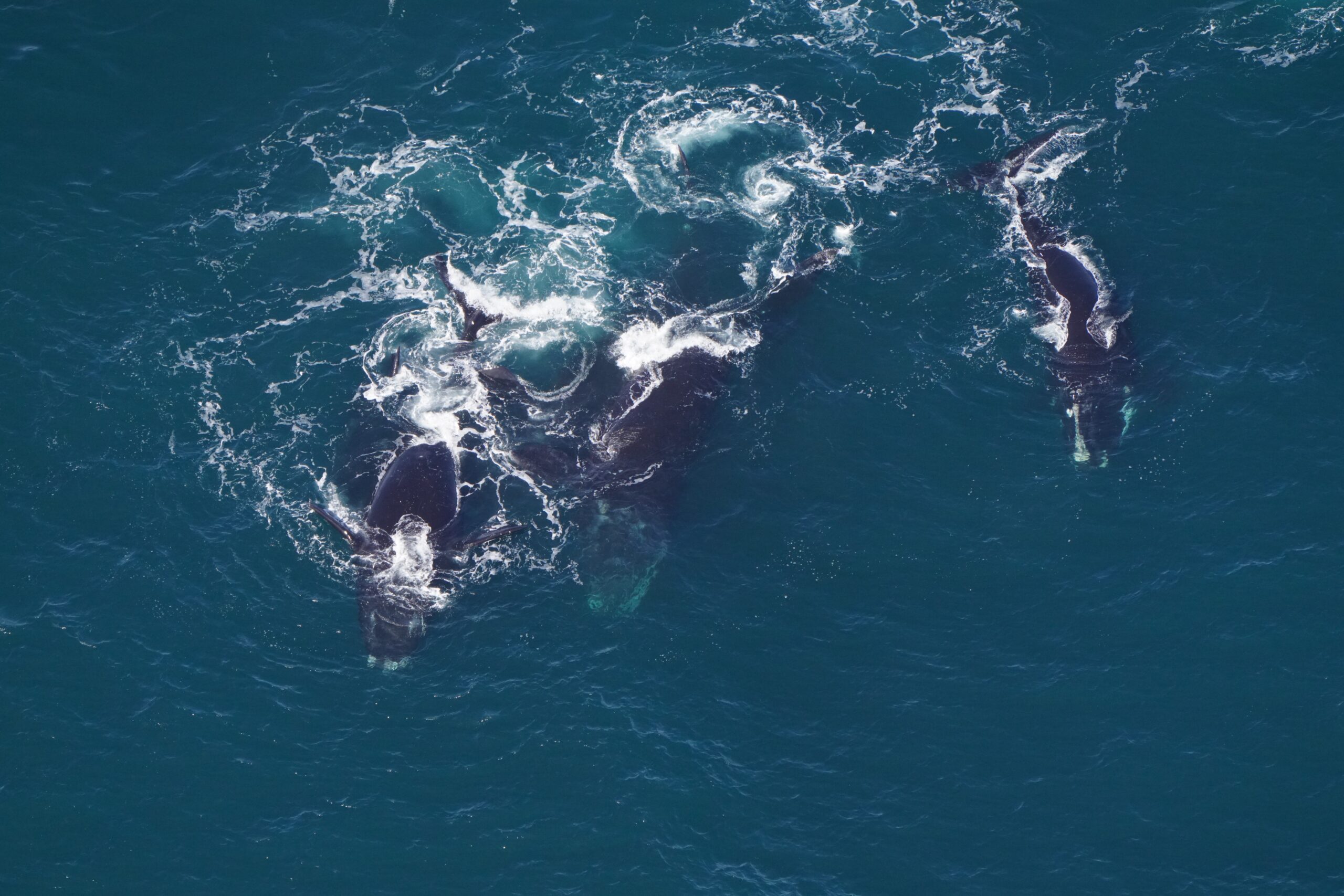
A surface-active group of right whales Photo: Anderson Cabot Center for Ocean Life aerial survey team
/
Familiar faces
Calvin (Catalog #2223) is a fan-favorite right whale for our researchers. Up until 2022, both aerial and vessel teams had regularly seen Calvin. A rare gap in sightings had us wondering about the 34-year old female’s whereabouts, but Calvin reappeared this time last year south of Nantucket, and then a few months later in the Gulf of St. Lawrence! So, it was good to see Calvin again in a shorter time span.
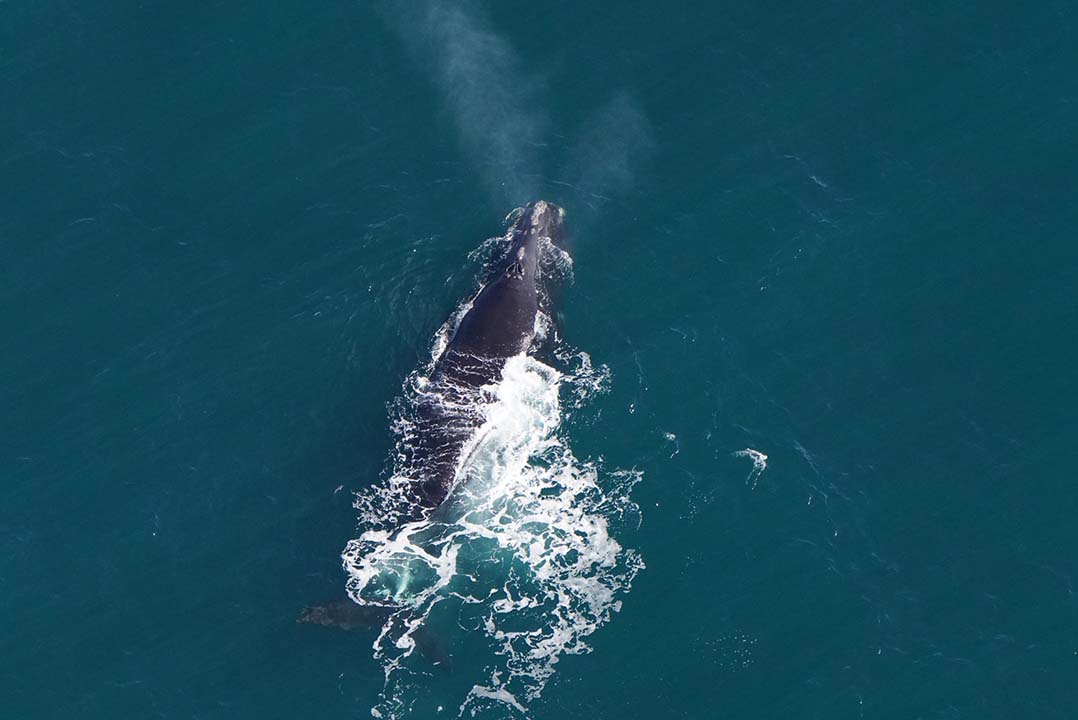
Another whale seen by the team is not very well-known, but has already achieved “celebrity” status. It was the “Irish whale” who made headlines in 2025 after it was sighted in Cape Cod Bay—nearly 3,000 miles from where it was first seen off the coast of Ireland. This right whale hasn’t yet been entered into the North Atlantic Right Whale Catalog, but our scientists were able to match the Ireland and Cape Cod Bay sightings to confirm the whale’s identity. This most recent sighting by our aerial survey team is one of the handful of times researchers have documented it!
-
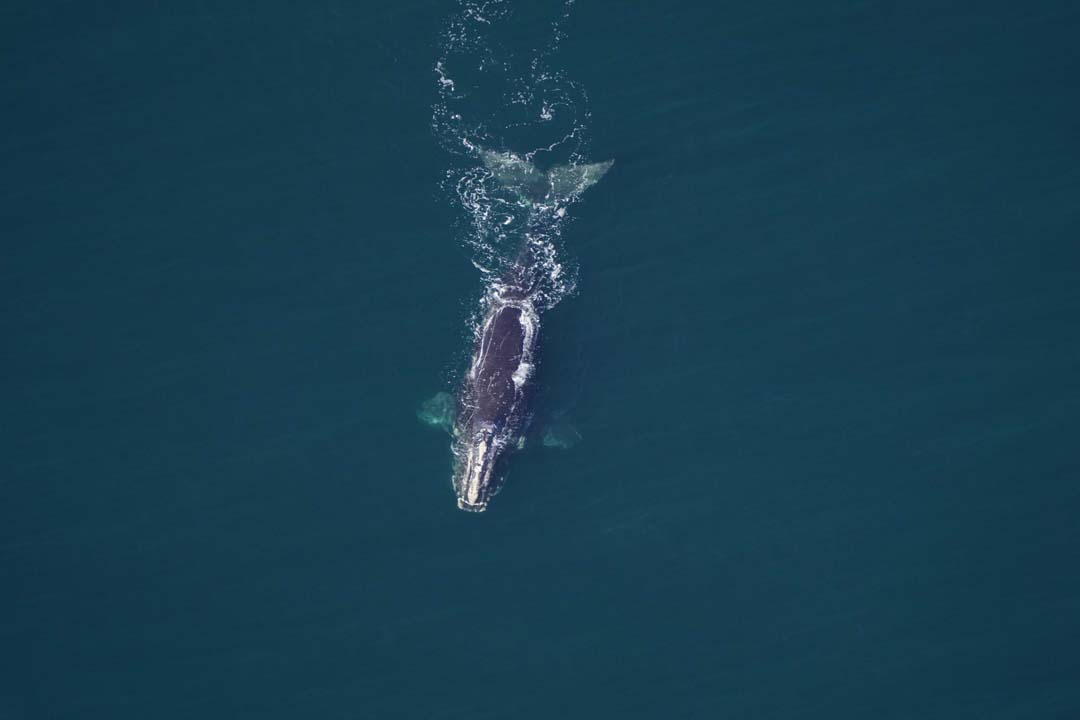
The "Irish whale" was first spotted off the coast of Ireland and matched to sightings in New England Photo: Anderson Cabot Center for Ocean Life aerial survey team -
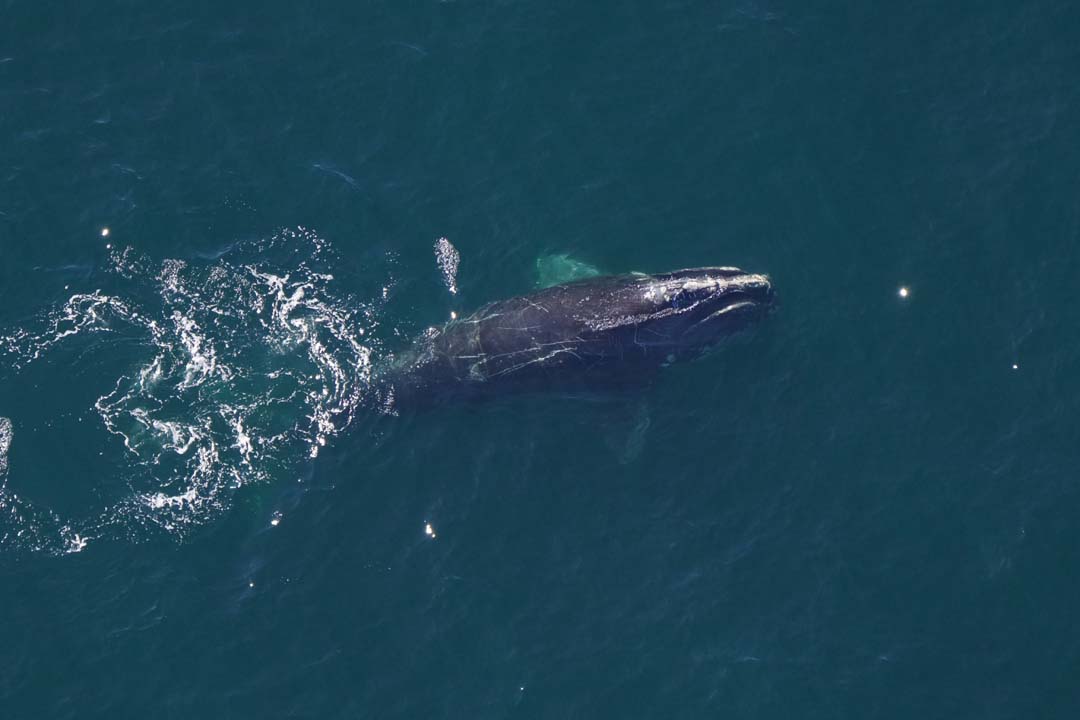
The "Irish whale" was first spotted off the coast of Ireland and matched to sightings in New England Photo: Anderson Cabot Center for Ocean Life aerial survey team
/
Peak season is just starting
Winter and early spring are the time of year when right whales gather in Cape Cod Bay and southern New England. With so many right whales in the area, our aerial survey team sightings often trigger Dynamic Management Areas (DMAs), voluntary slow zones requesting boaters to slow speeds to 10 knots to protect whales from vessel strikes. The team’s sightings so far this year have led to four DMAs, the most recent of which extends until March 27.
Vessel strikes are one of the leading causes of injuries and deaths for this species, which numbers about 380 individuals, making it critical that vessels slow down to the recommended speed.
-
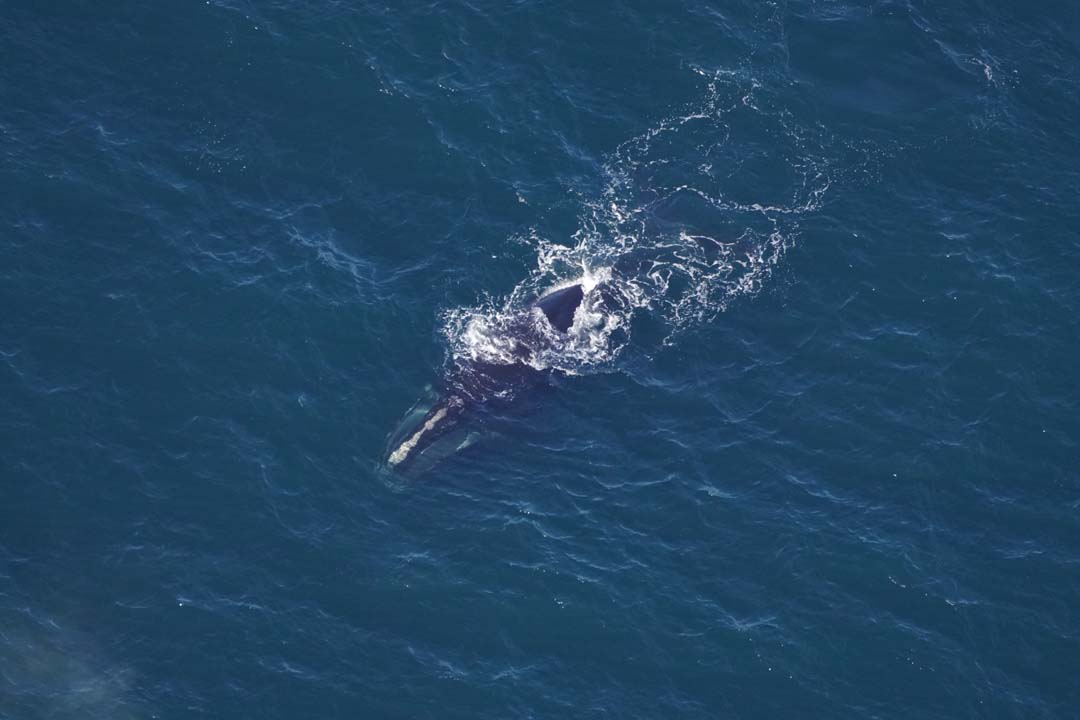
Catalog #4712 Photo: Anderson Cabot Center for Ocean Life aerial survey team -
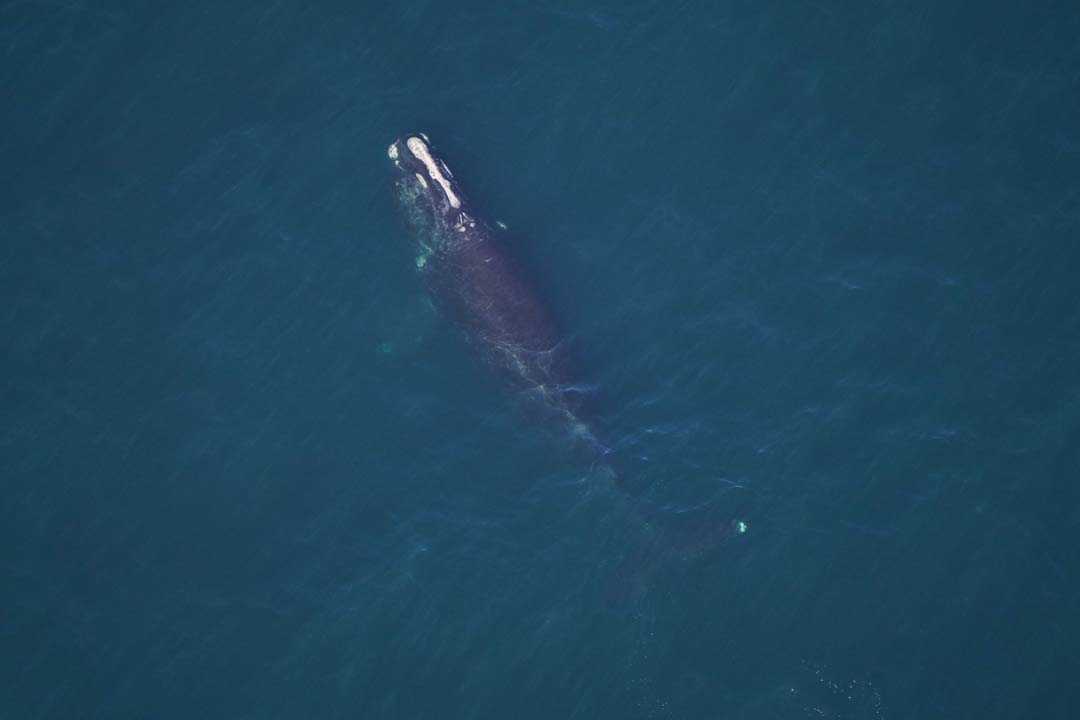
Catalog 2260 Photo: Anderson Cabot Center for Ocean Life aerial survey team -
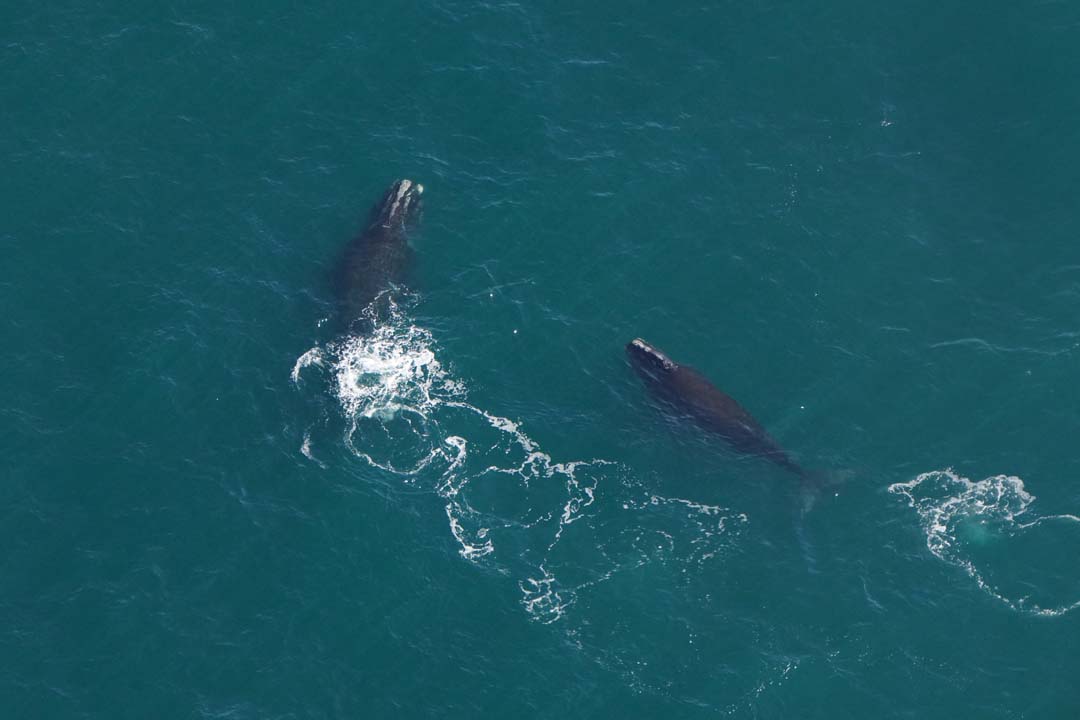
Sagamore (Catalog #1934) and and Catalog #5090 Photo: Anderson Cabot Center for Ocean Life aerial survey team -
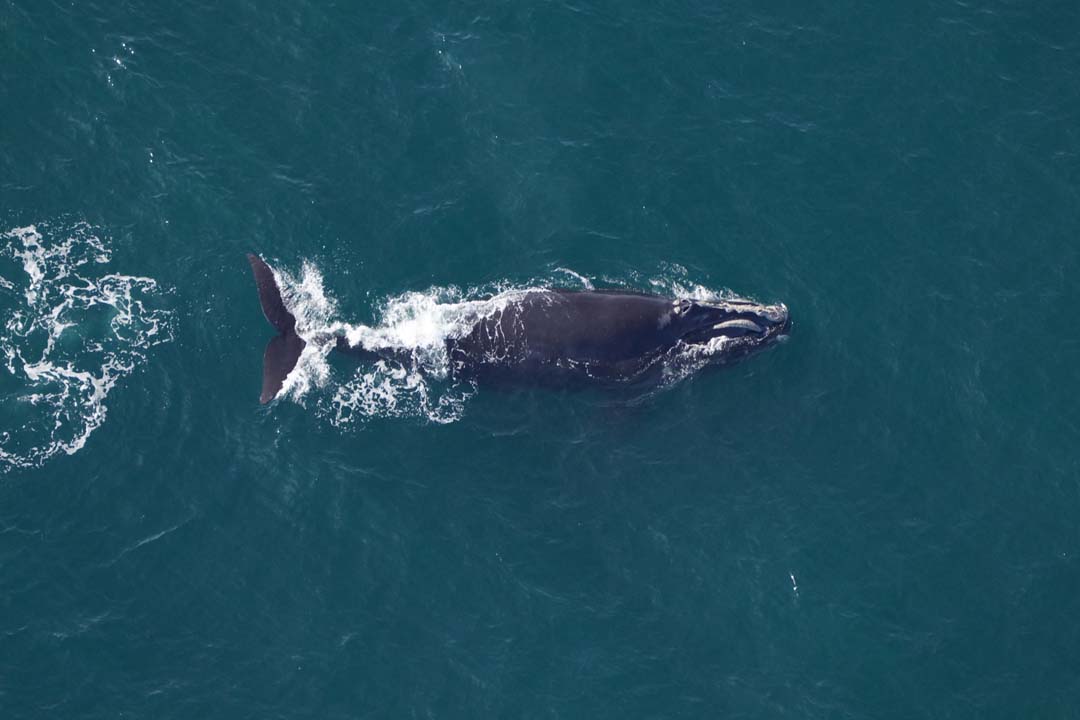
Squid (Catalog #3840) Photo: Anderson Cabot Center for Ocean Life aerial survey team
/
Seventeen of the adult female whales seen by the team are calving females—meaning there’s hope that some could be moms by this time next year. We’re also hopeful that, as more whales begin to gather in Cape Cod Bay and other local waters, we could spot a few of this year’s mother-and-calf pairs. Stay tuned!

Related Stories

Research That Drives Action
The Anderson Cabot Center for Ocean Life is the Aquarium’s dedicated research arm that uses marine science to protect animals and help others use the ocean responsibly.