Please note: The Atlantic harbor seals will temporarily be off exhibit while we improve their habitat for their comfort and well-being.
PRESS RELEASE
Aquarium answers call after conservation group in South Africa is inundated with penguin eggs and chicks
Boston-based penguin trainers engaging in penguin conservation efforts abroad

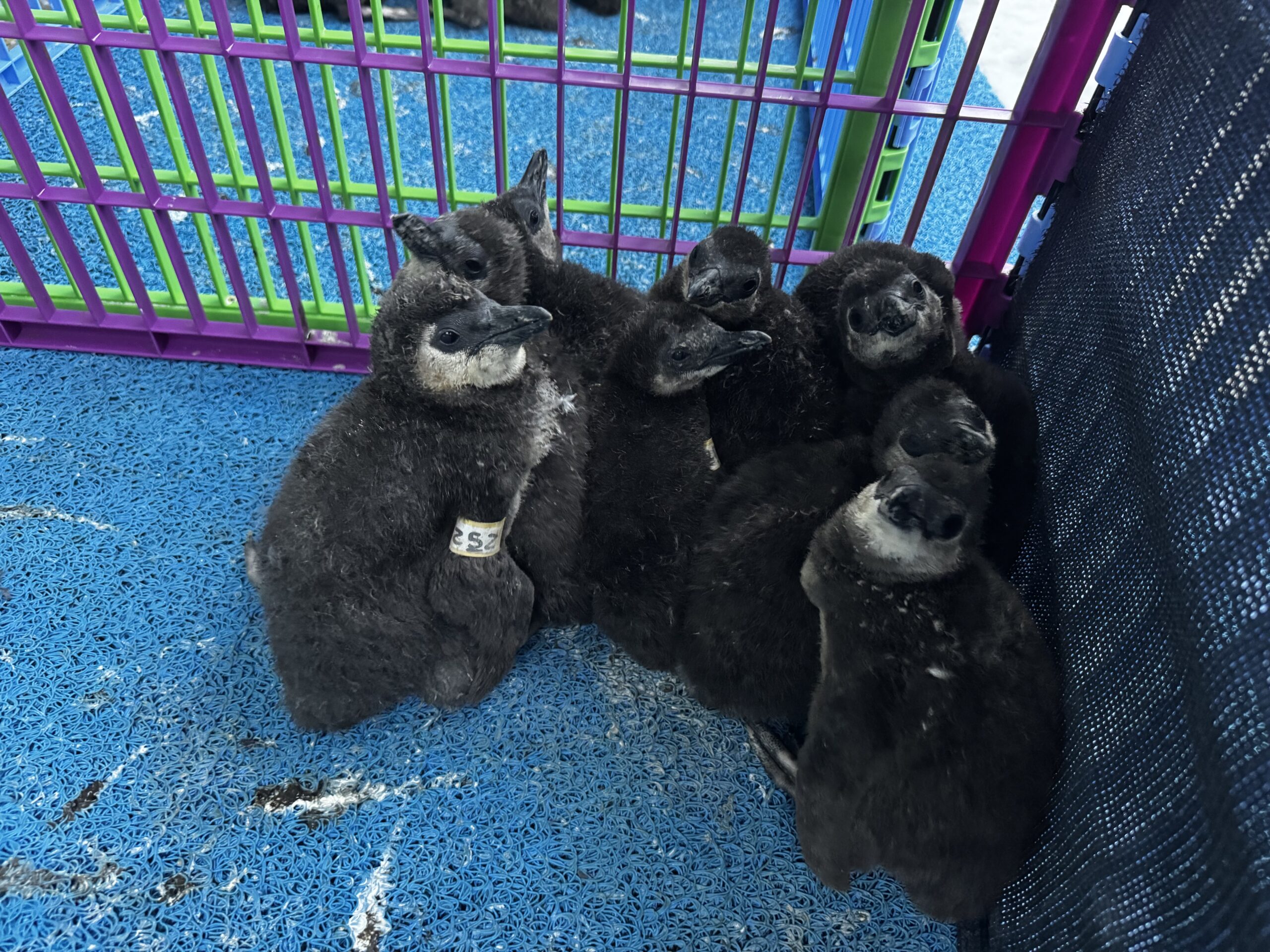
BOSTON, MASS. (June 16, 2026) – The New England Aquarium is participating in the rescue and rehabilitation of wild African penguin populations, expanding its conservation work far beyond Boston by providing support for abandoned, sick, and injured birds.
** PHOTOS AVAILABLE HERE WITH CREDIT TO DIANA MAJOR/NEW ENGLAND AQUARIUM **
The Aquarium has cared for penguins at its facility on Boston’s Central Wharf for decades. In 2023, the institution joined the Association of Zoos and Aquariums’ Saving Animals From Extinction (SAFE) African Penguin program, an international effort to protect and restore wild African penguin populations. African penguins are a critically endangered species experiencing an alarming and continuing decline in their native environment on the coast of South Africa and Namibia, largely due to depletion of food from overfishing and climate change. As a member of the SAFE program, the Aquarium participates in educational and conservation initiatives for African penguins, including field conservation work with the Southern African Foundation for the Conservation of Coastal Birds (SANCCOB), an organization that provides high-quality rehabilitation and veterinary services to African penguins and other seabirds in need.
Recently, the Aquarium’s Manager of Penguins, Diana Major, answered the call when SANCCOB found itself with hundreds of abandoned penguin eggs and chicks and needed help this past breeding season. In her nearly 20-year career working with different species of penguins, Major has gained significant experience overseeing the incubation of penguin eggs and hand-rearing chicks. She is one of three Aquarium penguin trainers that have traveled to South Africa over the past 18 months to help rehabilitate sick and injured African penguins with SANCCOB, and the first to lend her expertise at SANCCOB’s new nursery facility.
“To play even the smallest role in such an important conservation effort was a truly humbling experience,” Major said. “I have spent my career caring for penguins and educating guests about the challenges facing wild populations, so having the opportunity to contribute directly to their conservation using my experience and knowledge was incredibly meaningful to me.”
Major spent two weeks in Cape Town, South Africa, in April 2026. Much like human babies, penguin chicks require feedings every few hours, with a group of volunteers including Major feeding 100 chicks at a time. Some chicks also require medication or nebulizer treatments. The team wears full scrubs with masks and bonnets not just for protection but to prevent chicks from growing accustomed to people. Cuddling, touching, or even talking while in the nursery with the chicks is discouraged to keep them from becoming too familiar with humans and to ensure a successful return to the wild.
“It is more important than ever to do everything we can to save the African penguin. Helping to raise these chicks is both a privilege and a responsibility. Knowing that each one will one day be released back onto the beaches of South Africa, where it can contribute to the future of its species, made the long days worthwhile,” Major said.
Some scientists predict that African penguins could be functionally extinct by the year 2035. The Aquarium plans to continue its support of penguin field conservation work by sending a penguin trainer annually to South Africa and helping fund penguin rehabilitation efforts through its Marine Conservation Action Fund. Additionally, staff trainers share their overseas experiences with New England Aquarium guests during daily presentations at the Aquarium’s engaging penguin habitat, learning about how individuals can take action to help save this species from extinction.
MEDIA CONTACT: Pam Bechtold Snyder—psnyder@neaq.org