Please note: The Atlantic harbor seals will temporarily be off exhibit while we improve their habitat for their comfort and well-being.
PRESS RELEASE
In last release of the season, New England Aquarium returns final two rehabilitated sea turtles to the ocean
Kemp's ridley sea turtle “Young Frankenstein” underwent hyperbaric oxygen therapy

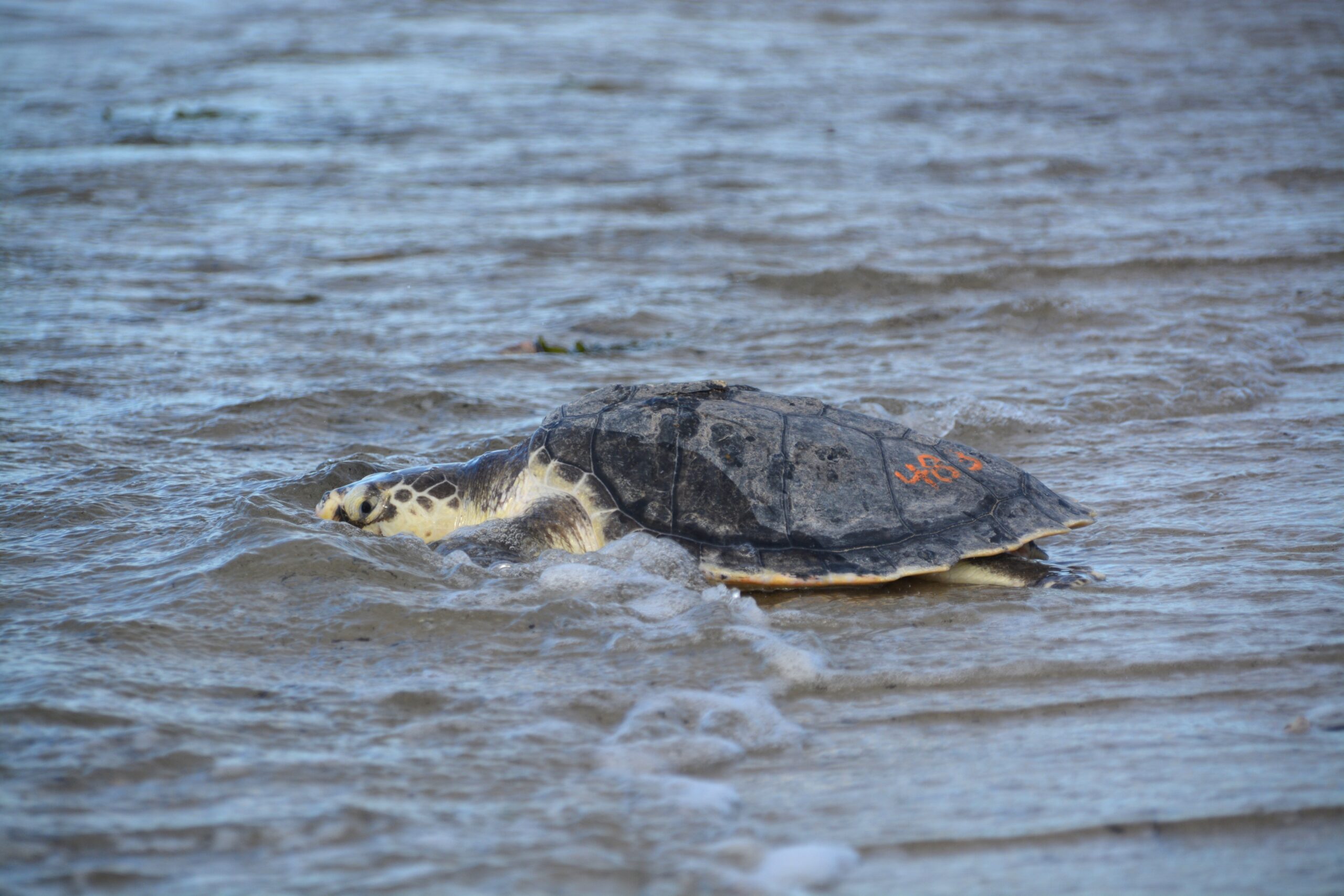
BOSTON, MASS. (Sept. 16, 2026) – In its final release of the season, the New England Aquarium returned two endangered sea turtles to Massachusetts waters following nine months of intensive rehabilitative care.
**PHOTOS AND VIDEO AVAILABLE HERE WITH CREDIT TO NEW ENGLAND AQUARIUM**
A small crowd gathered along West Dennis Beach on Tuesday to bid farewell to the animals as they entered Nantucket Sound. “Young Frankenstein” and “Shelley Volante,” Kemp’s ridley sea turtles who received font-inspired names, stranded on the shores of Cape Cod in December 2025, suffering from life-threatening medical conditions related to hypothermia. They were the last two turtles remaining at the Aquarium’s Sea Turtle Hospital in Quincy, Mass., from the 2025 cold-stunning season.
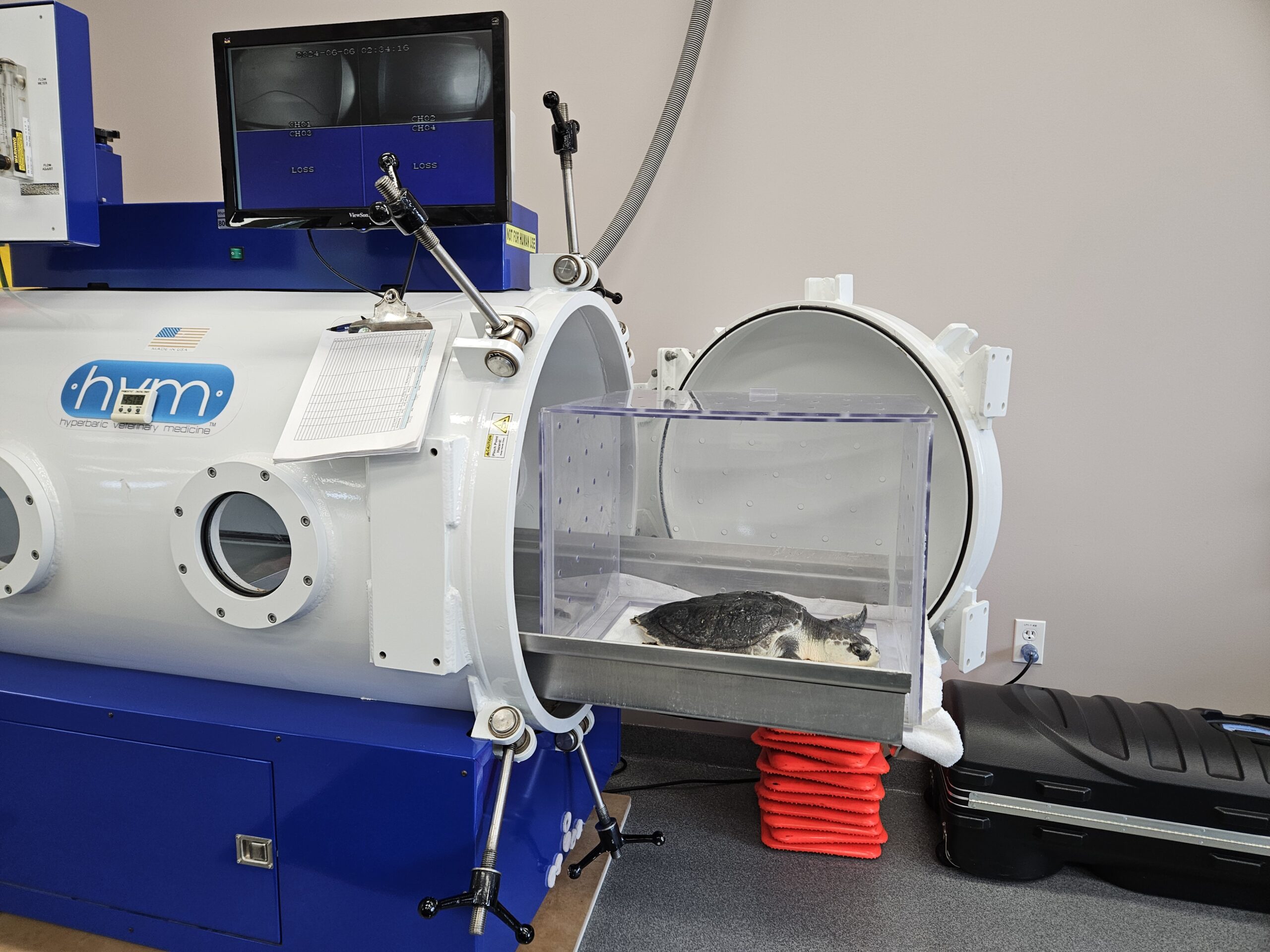
The Aquarium created individualized care plans for the turtles during their rehabilitation process. “Young Frankenstein” was diagnosed with hypoxic brain injury, which is a neurologic disease that occurs when the brain does not get enough oxygen to function properly. In July after seven months of dedicated care that included hundreds of hours of rehabilitative treatment and a regimen of steroids, antibiotics, and gastrointestinal medications, Aquarium veterinarians decided to pursue hyperbaric oxygen therapy at Advanced Veterinary Specialty Center of New England. The twice-weekly medical treatments involved placing the turtle in an oxygen chamber where the air pressure is two to three times higher than normal. The high level of oxygen helps heal injured brain tissue. After two weeks of treatments, “Young Frankenstein” made remarkable progress and was medically cleared to return to the wild.
“Hyperbaric oxygen therapy has been used in sea turtles for other ailments, but this is the first documented use for treating hypoxic brain injury in them,” said Dr. Melissa Joblon, Director of Animal Health at the New England Aquarium. “It was remarkable to see the drastic improvement in Young Frank’s ability to navigate and forage for food, even after just two treatments.”
“We’re thrilled to see this turtle respond so well to hyperbaric oxygen therapy. Watching a patient recover and return home is exactly why we do what we do,” said Dr. Stephanie Kube, a board-certified veterinary neurologist and owner of Advanced Veterinary Specialty Center in Walpole, Mass.
The second sea turtle released, “Shelley Volante,” had severe sepsis, bone infection, and inflammation of the muscle and fat, which required advanced imaging for diagnosis and surgical joint debridement. After aggressive treatment, the turtle was deemed healthy and ready to be released.
During the 2025 cold-stunning season, which occurred from early November to late December, the Aquarium treated nearly 500 live sea turtles, most of them Kemp’s ridleys, that were rescued from Cape Cod beaches by staff and volunteers with Mass Audubon’s Wellfleet Bay Wildlife Sanctuary. Biologists and veterinary staff at the Aquarium’s Sea Turtle Hospital collaborate to provide medical and rehabilitative care to the turtles for a variety of health conditions from pneumonia and dehydration to trauma.
Aquarium staff are now preparing for the next cold-stunning season, which will arrive this fall once the water temperature in Cape Cod Bay reaches 55 degrees.
MEDIA CONTACT: Pam Bechtold Snyder—psnyder@neaq.org