An Innovative Collaboration Between BalanceBlue Lab and Marriott International Promotes Responsibly Caught Lobster
Through a New England Aquarium-led pilot supporting local lobster fishers using ropeless gear, Marriott and the BalanceBlue Lab are helping advance innovations that protect the blue planet.
By New England Aquarium on Thursday, September 24, 2026

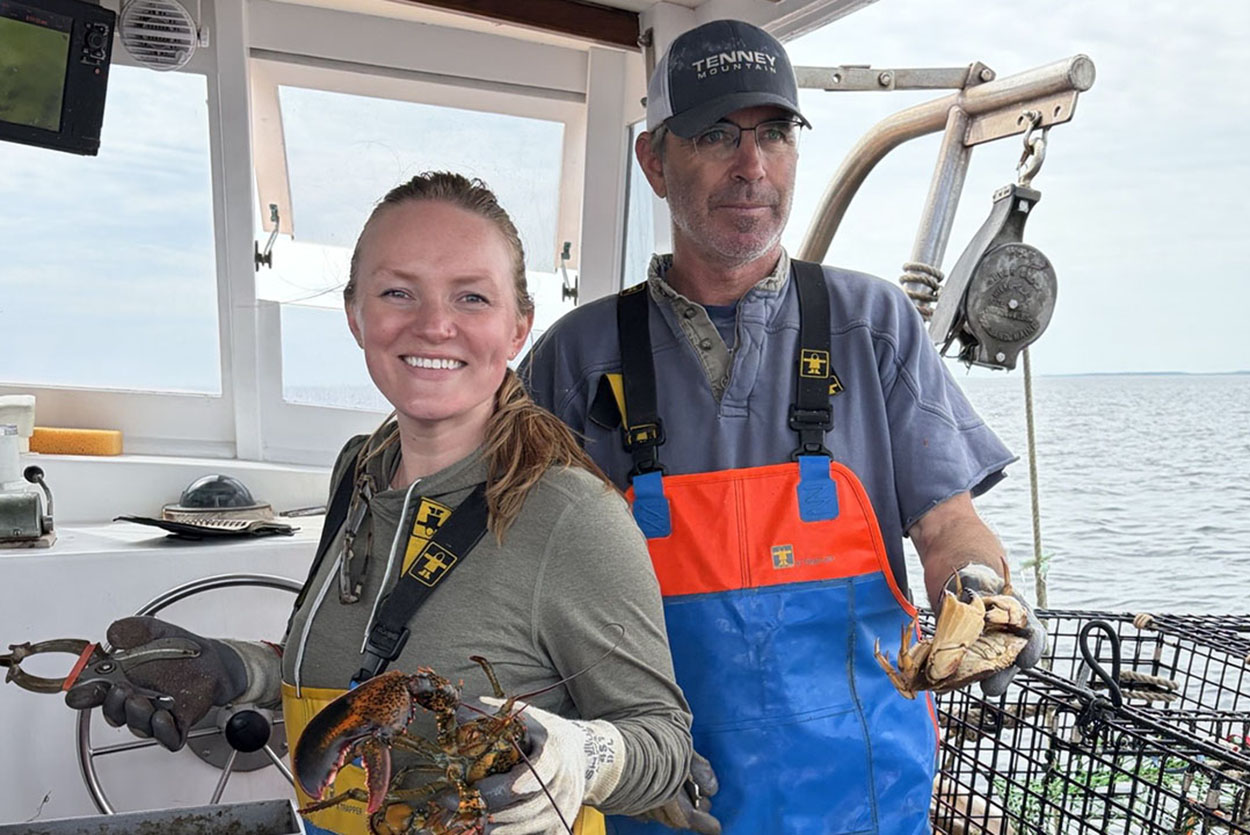
The New England Aquarium’s BalanceBlue Lab is a trusted advisor for businesses and policymakers, providing guidance on solutions that support both economic growth and ocean conservation. From Gorton’s Seafood, number-one brand of frozen prepared seafood in the United States, to international seaweed harvesting companies and innovative blue-tech startups, the Lab has a long history of successful collaborations that help ensure the blue economy can grow responsibly while protecting the blue planet.
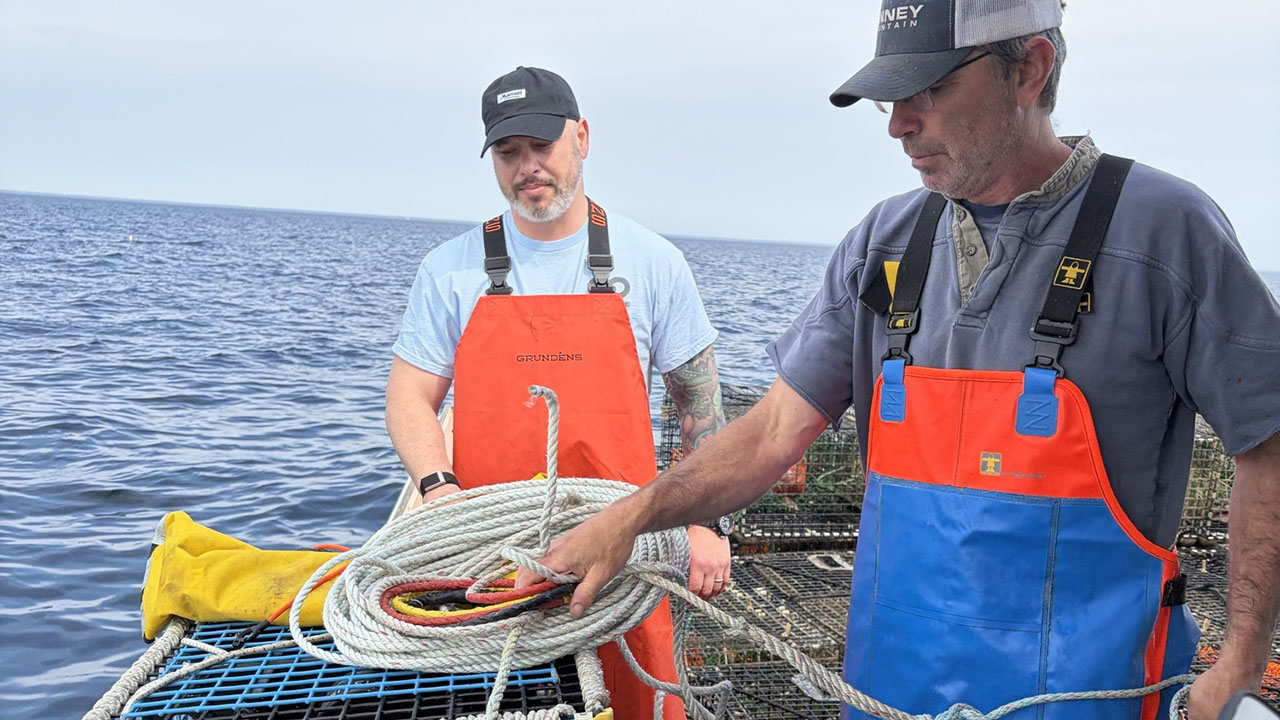
Now, by working with Marriott International, the BalanceBlue Lab is helping explore a new approach to sourcing lobster—a popular item on menus across Marriott’s global hospitality portfolio. This past spring, the company supported the BalanceBlue Lab in a New England Aquarium-led pilot focused on working with Massachusetts lobster fishers proactively testing on-demand gear in local waters.
Striking a balance for the blue planet
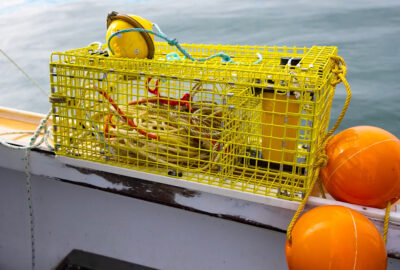
Fishing is an essential part of New England’s history, culture, and economy, but interactions between traditional fishing gear and vulnerable species, including critically endangered North Atlantic right whales, can pose a risk if these animals become entangled. Entanglement occurs when ropes or netting from gear in the water column wrap around an animal, restricting movement and potentially causing injuries, infections, or partial amputations. This often impacts the entangled animal’s ability to feed, reproduce—and even survive.
With on-demand or “ropeless” gear, there’s no vertical line connecting a trap to a surface buoy when the gear is set in the water. The line stays with the trap on the seafloor until the fisher is ready to haul. When that time comes, they send an acoustic signal from the boat, and a marker rises to the surface. Versions of the technology are in use in Massachusetts, including pop-up buoys and inflatable lift bags, with other systems being tested.
Michelle Cho, director of the BalanceBlue Lab, and her team have worked closely with fishers, business leaders, policymakers, and fellow scientists over the years to help implement the gear more widely across the industry by raising awareness, testing the gear, developing training resources, and building a market for seafood products caught with this innovative gear.
Innovation on the menu
As Marriott continues its journey of responsible seafood sourcing, the team turned to Michelle and the BalanceBlue Lab for advice. This initial pilot was designed to test the feasibility of acquiring ropeless-caught lobster at scale. One of the strongest Marriott supporters of innovation in responsible seafood sourcing is Michael Panasuk, executive chef at the Boston Marriott Copley Place.
“American lobster is such an important part of New England’s culture and culinary identity, and this pilot can help inform the innovations needed to shape a more responsible future,” Michael said.
Marriott and the BalanceBlue Lab supported a local fisher using on-demand gear to catch lobster in Massachusetts waters, with Marriott providing funding to support the pilot. That lobster ended up in lobster rolls and in lobster mac and cheese during a special dining pop-up at the Aquarium’s Harbor View Café and Dockside Beer Garden in April, presented in collaboration with SodexoLive!, the Aquarium’s dining partner. This was the first time on-demand caught Massachusetts lobster has been sold to consumers as such and was differentiated from lobster caught with traditional gear.
The pilot was a small step toward bigger changes and highlighted the BalanceBlue Lab’s ability to bring ocean science, business, and industry together toward shared conservation and economic goals. In the future, on-demand caught lobster could be offered at restaurants at Marriott full-service properties.
“Responsible seafood sourcing has long played an important role in culinary innovation at Marriott,” said Stephen Toevs, vice president of Marriott’s Culinary Global Operations. “As chefs, we have a responsibility to make informed, sustainable sourcing decisions. How seafood reaches our kitchens is important and understanding how to source responsibly and how to help industries evolve is one way we can use our scale to advance more sustainable solutions.”

Related Stories

Let's Take Action for the Ocean Together
With your support, we can further our work to ensure a vital and vibrant ocean for all.