Keystone Species: Four Animals that Play a Huge Role in the Ecosystem
From tide pool sea stars to tiger sharks, these species have an outsized influence on the health of the ocean.
By New England Aquarium on Friday, October 09, 2026

Look closely at a stone arch and you’ll find one wedge-shaped stone at the very top. It’s called the keystone, and it locks every other stone in place. Pull it out, and the whole arch comes down.
Ecologists borrowed that idea to describe some of the most important players in nature. A keystone species is one whose influence on its ecosystem is much bigger than you’d expect from how many of them there are. It might be a top predator or an unassuming plant, but take it away and the rest of the ecosystem can shift dramatically, or even collapse.
The role of species holding ecosystems together can vary. Some, like sea stars and sharks, are predators that keep other populations in check. Others are “foundation species” that built the habitat everyone else depends on. And some are “indicator species,” whose health tells us how the whole system is doing. Here are four ocean animals Aquarium experts study and care for that play their own outsized roles.
Sea stars: The original keystone species
The concept started in a tide pool. In the 1960s, ecologist Robert Paine began removing sea stars from stretches of rocky shoreline in Washington State. Without the sea stars eating them, mussels took over, crowding out barnacles, snails, algae, and other residents.
On the Pacific coast, sunflower sea stars keep urchin populations in check. Without them, urchins can graze freely on kelp, and entire kelp forests can dwindle, taking the fish and invertebrates that shelter there with them.
Closer to home, northern and Forbes sea stars feed on mussels in tide pools and other intertidal habitats. You can see this behavior right in Boston Harbor, just outside the Aquarium. By keeping mussels from taking over, sea stars leave room for a greater variety of species to thrive.
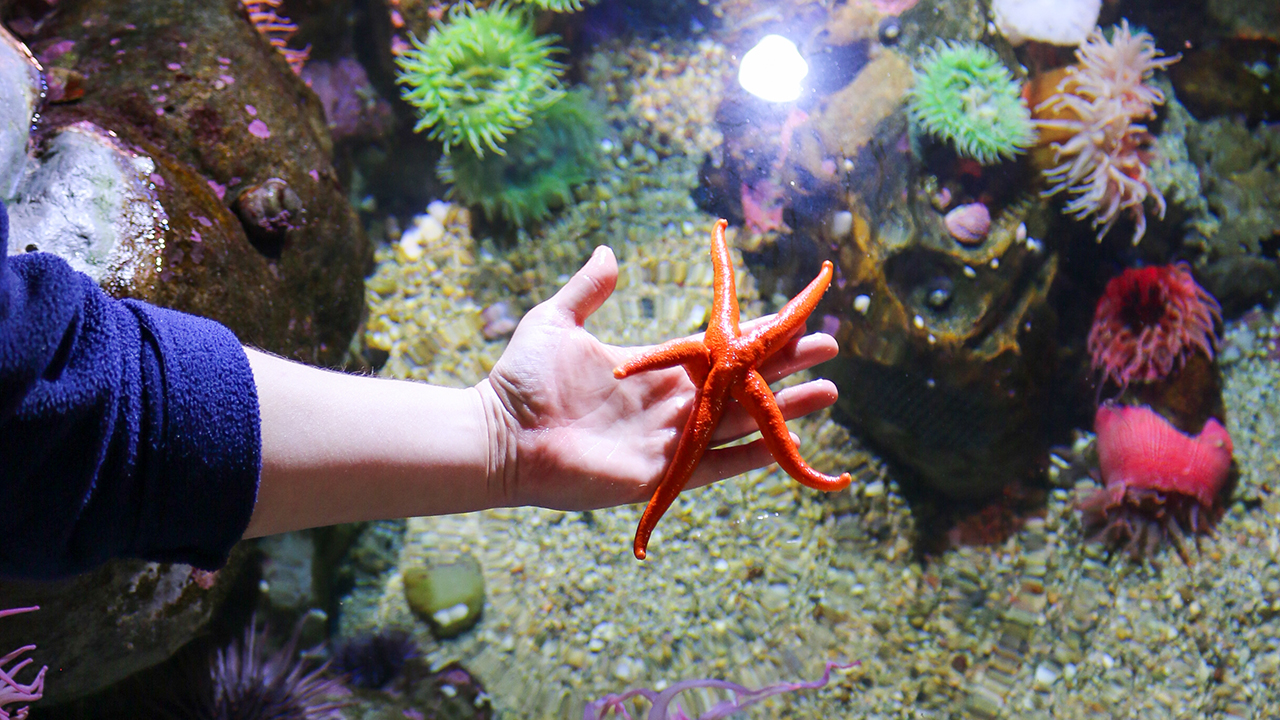
Sea stars also have a less obvious benefit: They’re a part of why underwater photos from New England look so vibrant. Blood sea stars, found here and in the Pacific Northwest, get their bright orange hues from carotenoid pigments. Check them out in our New England Harbors exhibit!
Sharks: The predators at the top
Sharks shape ecosystems in two ways. The first is direct: As predators, they eat other animals. Take away a top predator and its prey can boom, eating more of the smaller organisms below them until that food source runs out. Ecologists call this chain reaction “trophic cascade.”
The mere presence of a shark changes how other animals behave, where they go, and how they feed. Scientists call this the “landscape of fear.“ The best-studied example comes from Shark Bay in Western Australia. When tiger sharks are around, green turtles and dugongs (relatives of manatees) avoid the shallows, where the richest seagrass grows, and find deeper, safer waters instead. Dugongs also graze more gently, cropping seagrass rather than digging up whole plants. That keeps the shallow seagrass beds healthy. When tiger sharks decline, turtles and dugongs move into the shallows, and dugongs switch to digging up entire plants. The combination can seriously damage seagrass communities, and makes them less able to recover from stresses like marine heat waves.
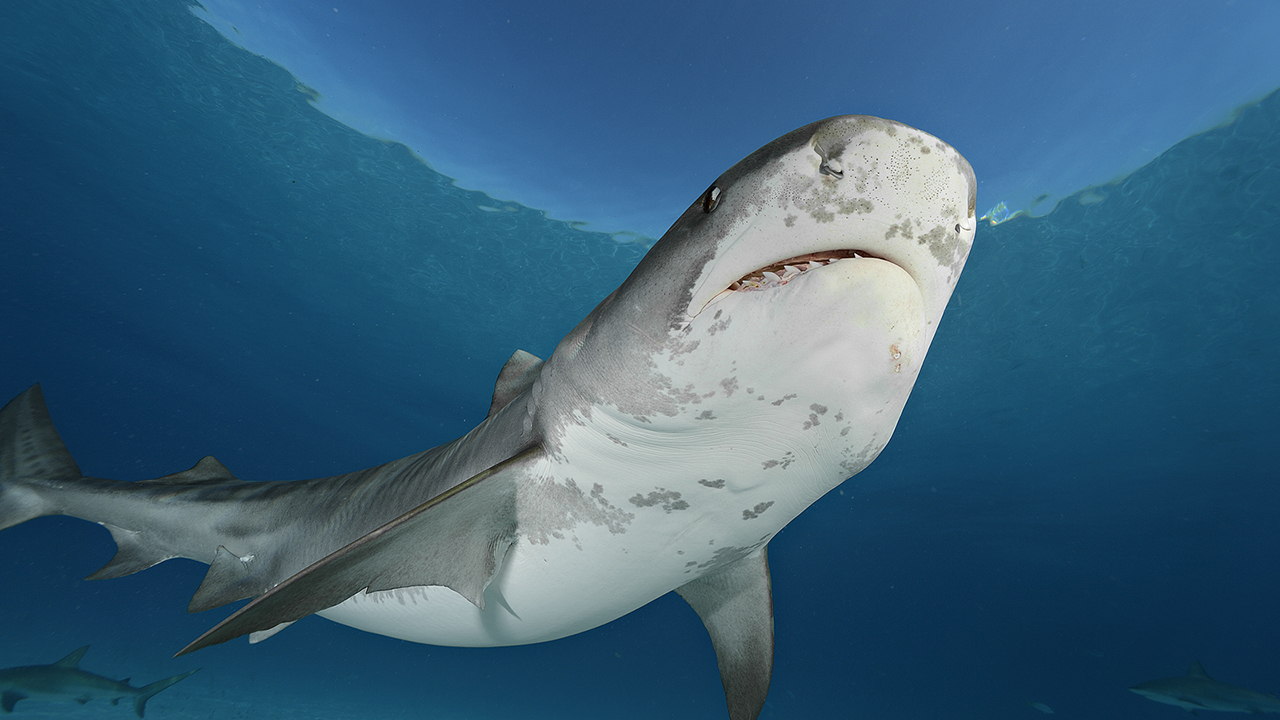
Tiger sharks also eat a remarkably wide range of prey. One study in the northwest Atlantic and Gulf of Mexico found 15 different prey groups in their diet, from fishes and squids to birds and reptiles. That means their influence can ripple through the food web along many different paths.
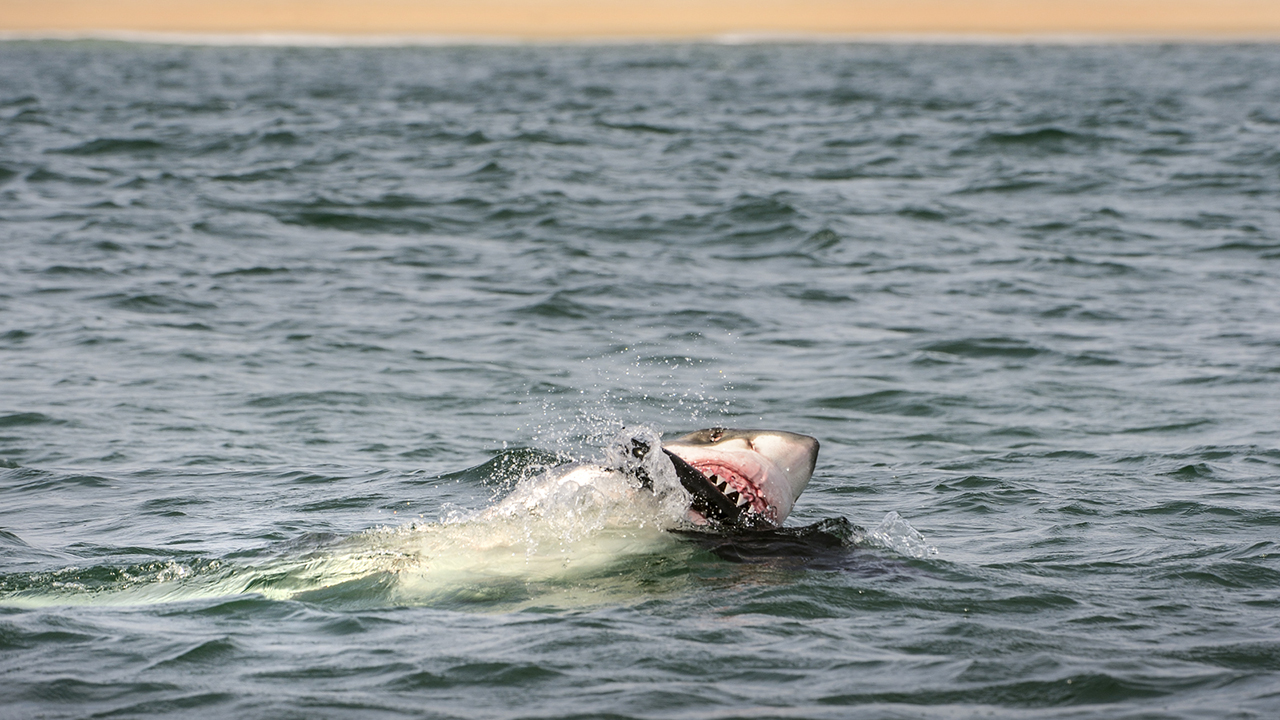
What about white sharks here in New England? On Cape Cod, research shows that gray seals change their behavior when white sharks are more abundant: foraging at night, staying closer to shore, and spending less time offshore. In False Bay, South Africa, scientists documented what happened when white sharks all but disappeared: Cape fur seals began using offshore waters they once avoided and populations of seals and sevengill sharks grew while their prey declined.
That makes a strong case that white sharks can be keystone species, but in New England, it’s too early to officially determine. Both white sharks and gray seals are recovering from past declines, so we haven’t yet seen how their relationship plays out in a natural, balanced state.
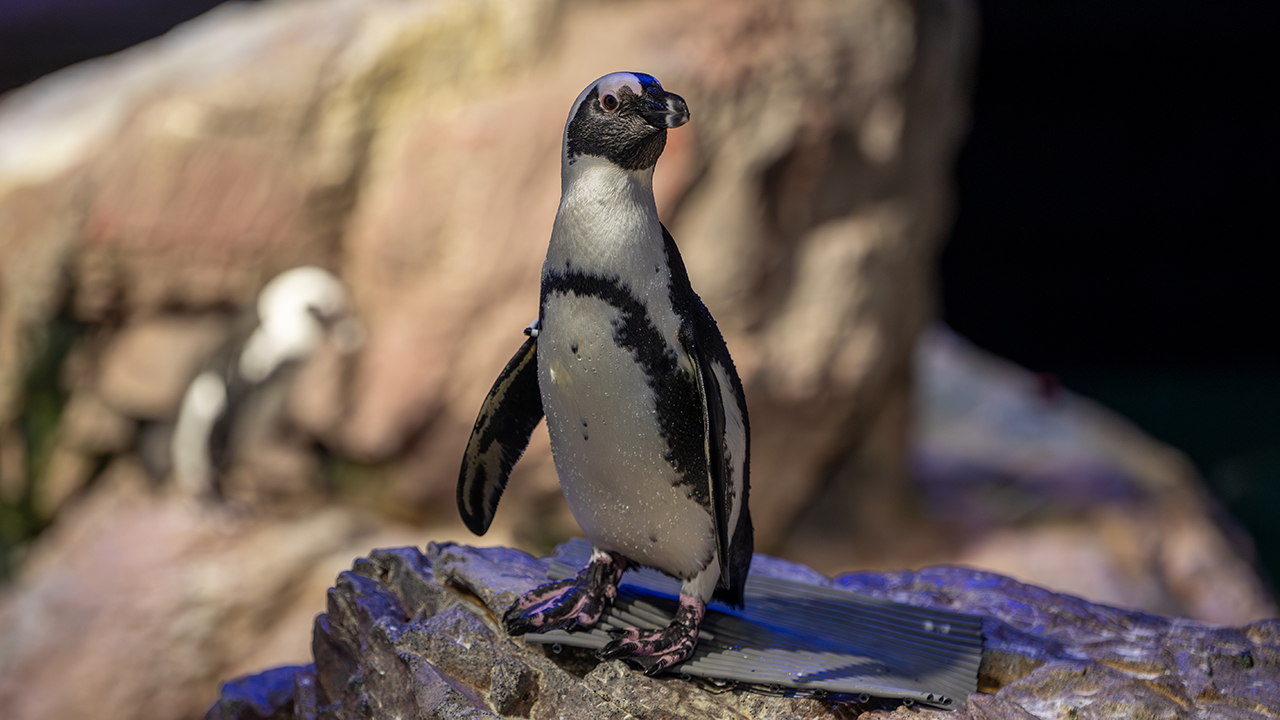
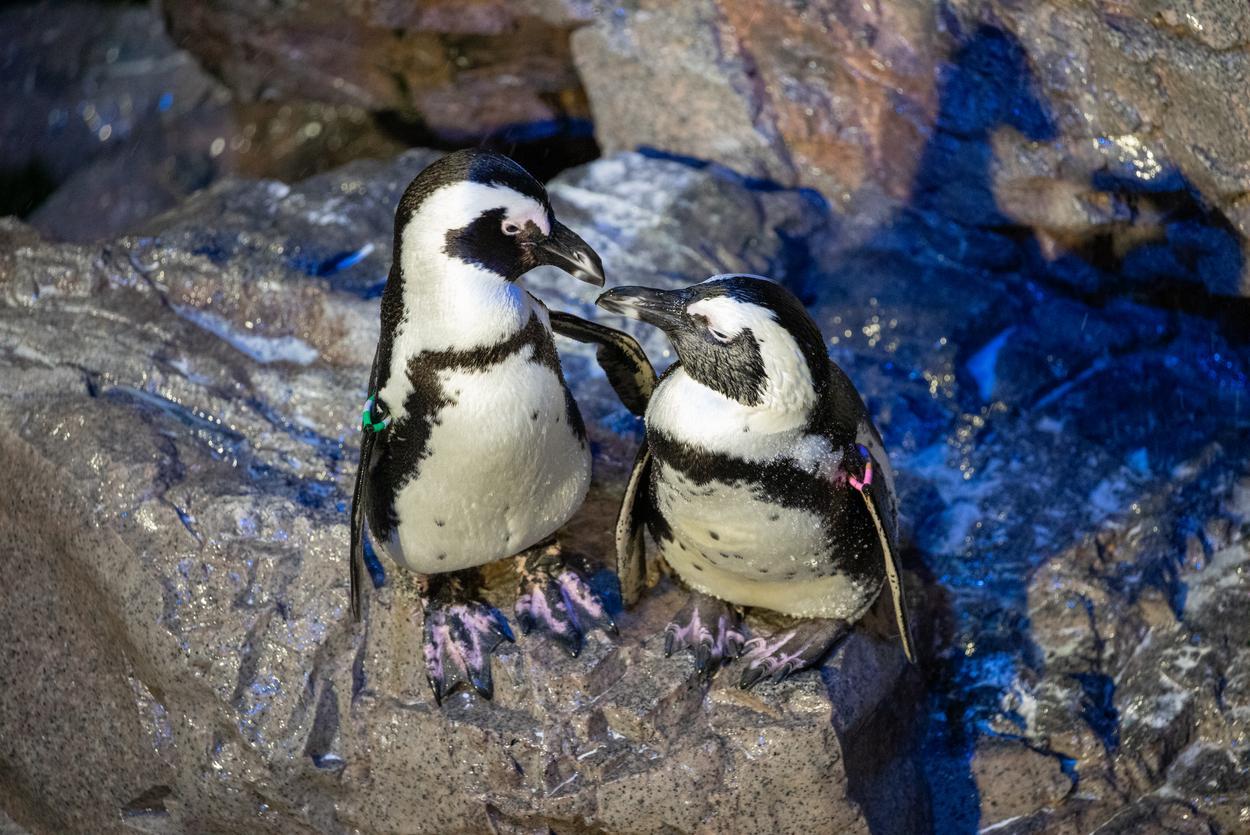
African penguins: Ocean health messengers
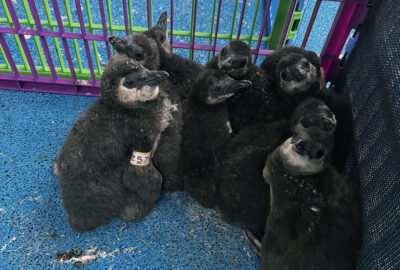
African penguins help keep their coastal ecosystems in balance by feeding on small schooling fish and squid. Because they depend so heavily on those fish, they’re also excellent indicators of ocean health. Changes in what they eat, how they forage, and how successfully they breed can offer early warning of problems like overfishing, pollution, and climate change.
These penguins also link the ocean to the land. Their large deposits of guano (also known as penguin poop!) return nutrients from the sea to coastal soils, influencing the plant communities that grow there.
That makes their decline all the more concerning. African penguins are now listed as Critically Endangered, and their numbers continue to fall. Visitors can meet African penguins in the Aquarium’s penguin colony, where our trainers share their story every day.
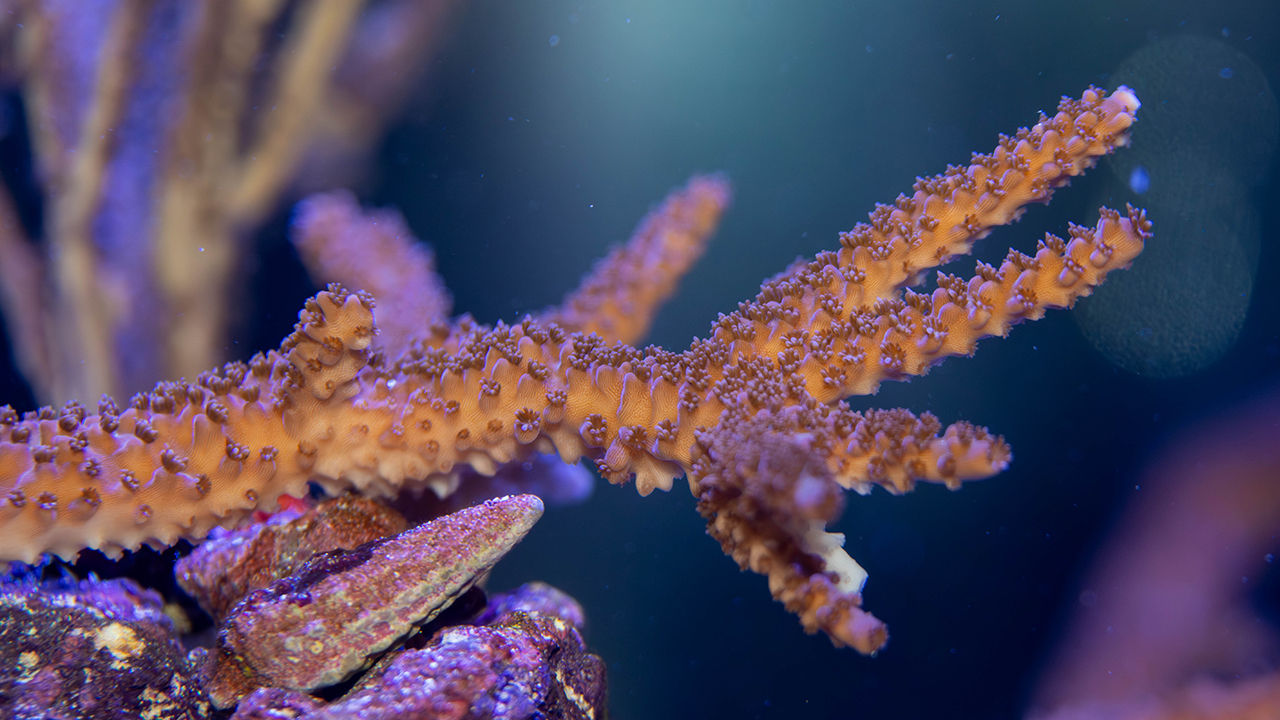
Stony corals: Reef builders
Stony corals are what scientists call foundation species: They literally build the ecosystem that other species rely on. Coral reefs cover less than 1 percent of the ocean, yet they provide habitat for roughly a quarter of all marine species. Many young fish spend their early lives on reefs, which offer both food and shelter.
Reefs matter to people too. They act as natural barriers that protect coastlines from storms, erosion, and flooding.
Staghorn coral, which you can see in our Yawkey Coral Reef gallery, is one stony coral species that’s critical to reef-building in the Caribbean and southern Florida. As a member of the Association of Zoos and Aquariums SAFE Corals program, the Aquarium works to help protect and restore this endangered coral and others in the wild.
Why keystones matter
Keystone species remind us that ecosystems are connected in ways that aren’t always obvious. Protecting a single species, whether it’s a sea star in a tide pool or a shark patrolling a seagrass bed, can mean protecting countless others that depend on it. That’s why understanding these relationships is such an important part of the work at the Aquarium and the Anderson Cabot Center for Ocean Life.

Related Stories

Protect the Blue Planet
Your ticket purchase to the Aquarium directly supports our work to create a vital and vibrant ocean for future generations.