A South African Penguin Rescue Organization Needed Help—Aquarium Staff Answered the Call
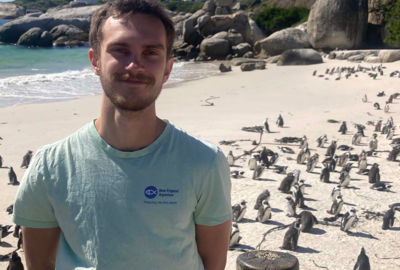
In April, penguin trainer Diana Major traveled to South Africa to pitch in with rescue efforts for hundreds of chicks at the Southern African Foundation for the Conservation of Coastal Birds.
By New England Aquarium on Wednesday, June 17, 2026

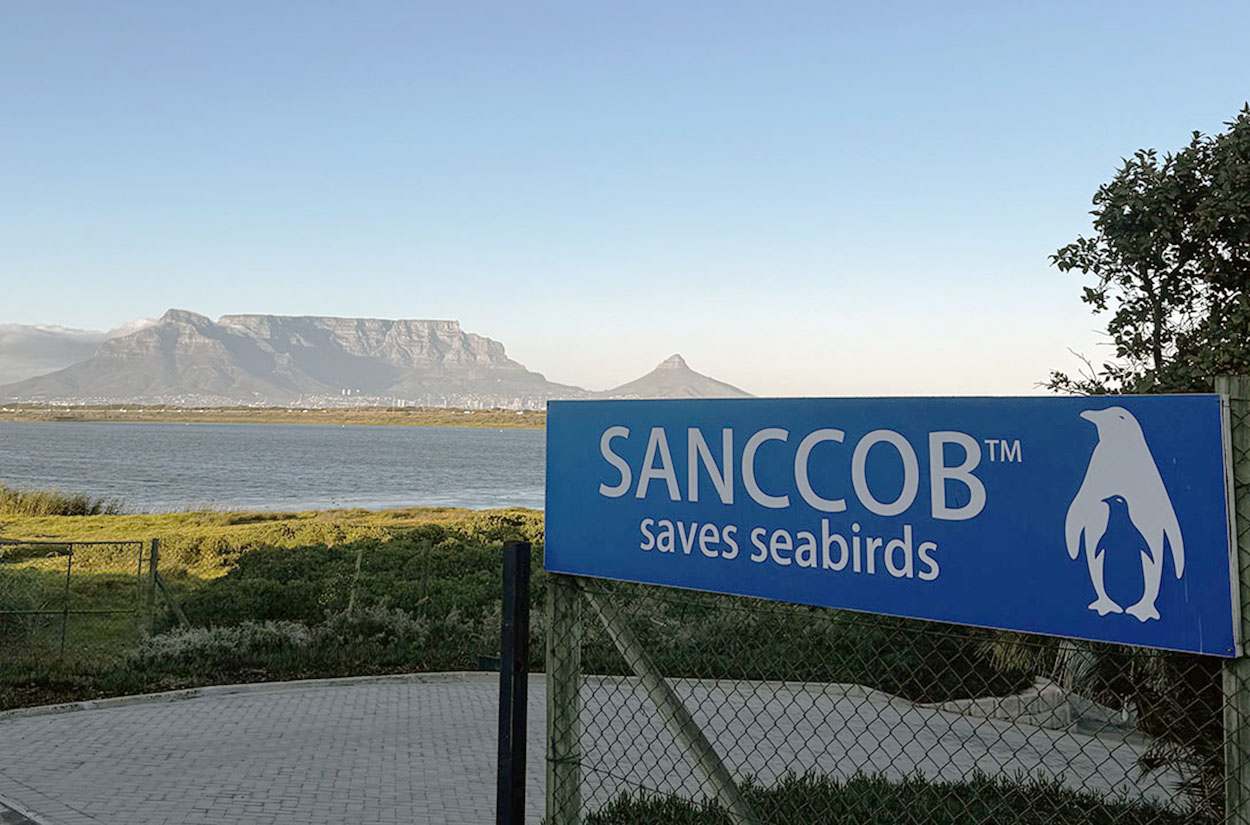
Earlier this year, the Southern African Foundation for the Conservation of Coastal Birds (SANCCOB) put out a call: They were inundated with African penguin eggs and newly hatched chicks, and they needed all the extra help they could get.
New England Aquarium penguin trainer Diana Major was one of the many people who answered. As part of the Association of Zoos and Aquariums (AZA) SAFE program for African penguins, the Aquarium participates in an international effort to protect wild African penguin populations—and collaborating with SANCCOB, on the ground South Africa, is part of that important conservation work.
Here, learn about Diana’s experience and how the Aquarium and SANCCOB are working to protect these critically endangered animals from extinction.
What’s happening to African penguins in the wild?
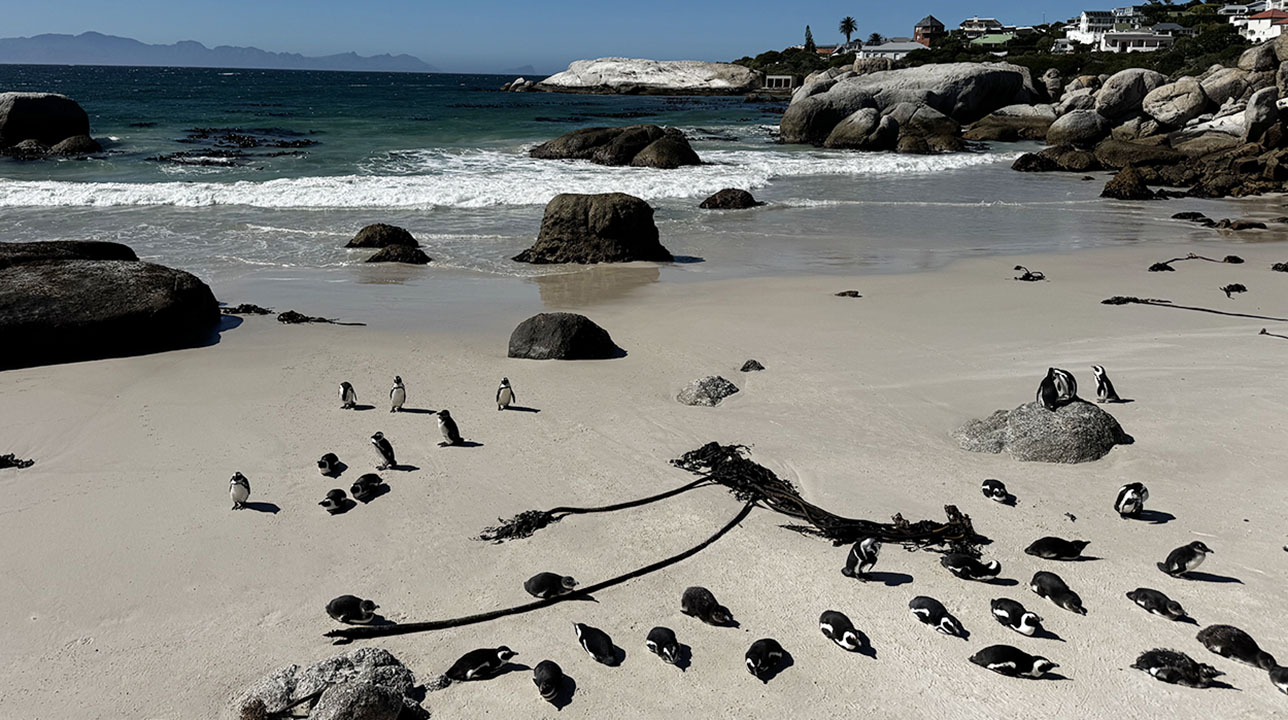
In their native habitat along the South African and Namibian coasts, African penguins have been facing a steep and continuous decline. Facing pressures from overfishing of their food sources, climate change, and pollution, the species is predicted to be functionally extinct in the wild by 2035.
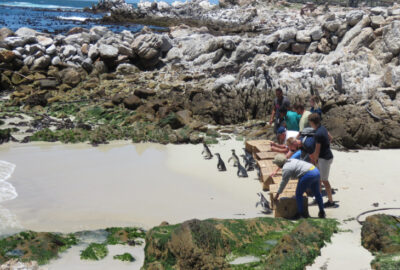
At SANCCOB, staff and volunteers work year-round to rescue and rehabilitate wild birds, supporting wild colonies to reverse their decline.
Jumping into an African penguin nursery
Diana was the third Aquarium staff member to travel to SANCCOB in recent years—though she was the first to lend her expertise caring for egg and chicks at SANCCOB’s new nursery facility.
“I have a lot of experience working with penguins in ten different species,” Diana said. “A lot of that has been incubation and hand-rearing, so it was kind of a perfect fit.”
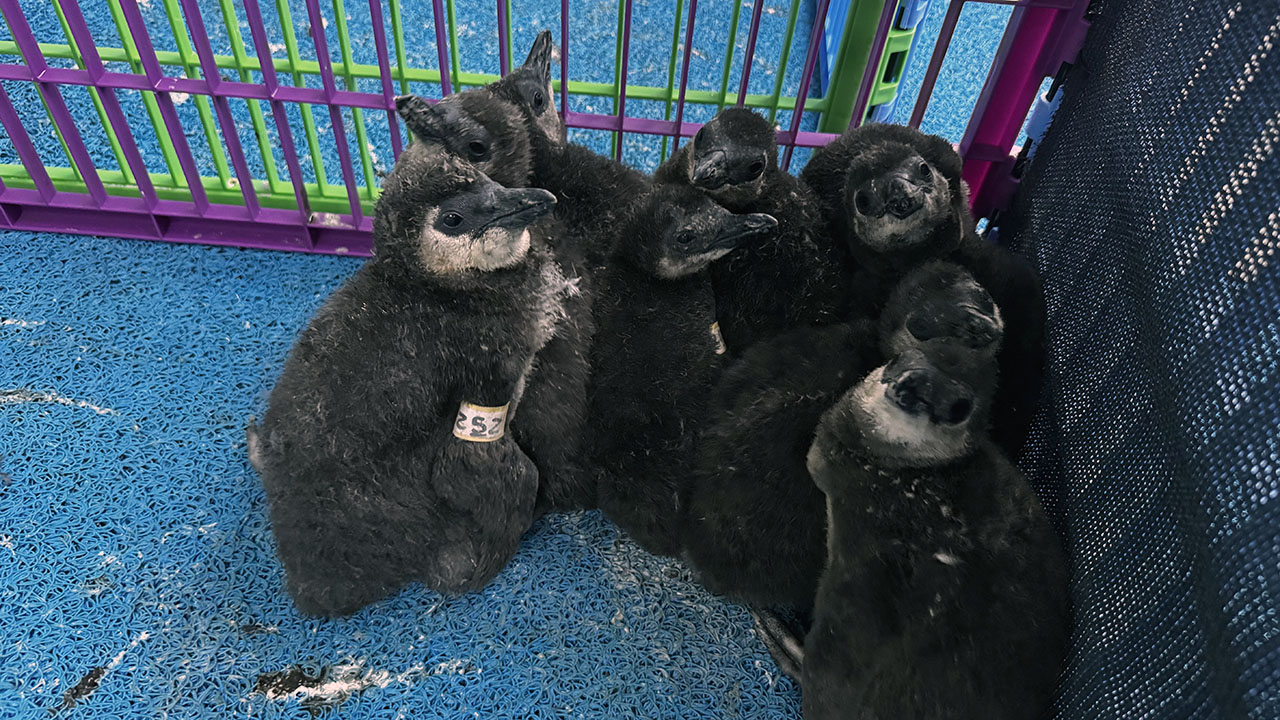
Since January 1 of 2026, SANCCOB has taken in little over 500 eggs, which come to their nursery from nests that are deemed abandoned or if a nesting adult needs rescue and is unable to care for their chick. With so many eggs, there were hundreds of penguin chicks at various stages of life, all in need of round-the-clock care.
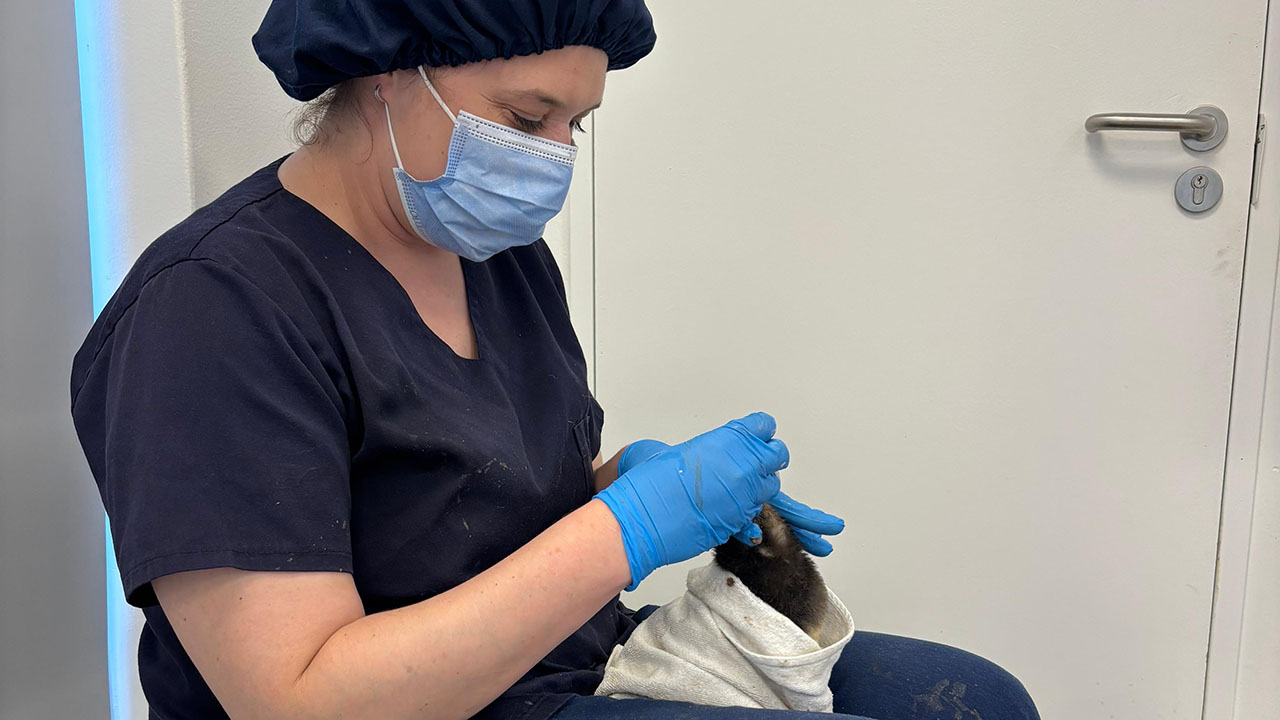
“In rehab, they really throw you in the deep end, so I think it helped that I have so much previous experience,” Diana said. “My first day there, they were like, ‘We’re short, do you mind feeding?’ So, they showed me how to tube-feed one chick and then it was like ‘Okay, good! Go ahead.’”
Round-the-clock care
During the two weeks Diana was at SANCCOB in April, she spent much of her volunteer time in one room of the nursery.
“Everything my colleagues here who had been at SANCCOB were telling me about I didn’t even see,” Diana laughed. “For biosecurity, the nursery is in a totally different side of the rehab facility.”
Diana began each shift with a 7:00 a.m. feeding, and then the day continued with additional feedings at 10:00 a.m., 1:00 p.m., and 5:00 p.m.—plus another feed at 7:00 after the overnight volunteers took over. Chicks were separated across the nursery by weight and, with 100 chicks in the area Diana was in, feeding, cleaning up, and preparing for the next feed filled the whole day.
“We would wear full scrubs, with masks and bonnets,” Diana said, “not just for biosafety but also to prevent the chicks from growing accustomed to people.” She and the other volunteers also avoided handing the chicks more than necessary. Cuddling, touching, or even talking while in the nursery with the chicks discouraged to keep them from becoming too familiar with humans for a successful return to the wild.
In addition to regular feedings, a few chicks needed medical care including nebulizers and medication.
“I was there 11 hours a day and it was like, feed and clean over and over until I left,” Diana said.
An ongoing conservation collaboration
The tedious work Diana put in each day drives home how much effort it takes to help these animals recover.
“Just the sheer amount of chicks SANCCOB had—every day I took a step back and thought, ‘Oh my gosh, this is so many animals that just wouldn’t have made it’ and we get to help,” Diana said. “It’s a really humbling experience.”
Because of the scale of animals in need of care, the day-to-day at the Aquarium is much different than what Diana was doing at SANCCOB. But now back in New England, she’s happy she can talk share her experience with her fellow penguin trainers and with Aquarium guests. The Penguin team plans to send more staff to volunteer at SANCCOB in the future, continuing to lend a helping hand to this critical cause.
“It’s really cool that I got to feed this little chick and then, hopefully someday they’ll be back in the ocean, living their life and doing what they should be doing,” Diana said.

Related Stories
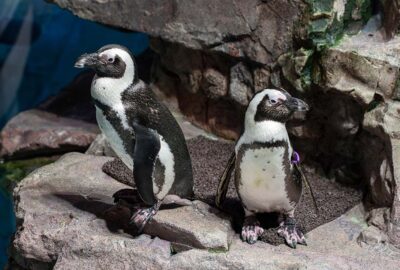

See African Penguins at the Aquarium
Learn where you can find African penguins at the Aquarium—and see nearly 10,000 other incredible marine animals during your visit.